Why Supervision Matters More Than Most Programs Realize
In behavioral health, supervision is not just a best practice—it’s a compliance requirement.
Whether you’re preparing for CARF accreditation, a Joint Commission survey, or a state audit, supervision is one of the first areas reviewers examine.
And here’s the reality:
Most organizations are providing supervision.
But many are not documenting or structuring it properly.
From an audit perspective, that’s the same as not doing it at all.
What “Supervision” Actually Means in Behavioral Health
Supervision is more than checking in with staff.
It is a structured process to ensure:
- quality of care
- staff competency
- ethical practice
- compliance with policies and standards
It typically includes:
- clinical case review
- performance feedback
- guidance on interventions
- discussion of risk and safety issues
- professional development
CARF Supervision Requirements
CARF focuses heavily on ongoing staff support and competency.
Programs are expected to:
- provide regular supervision to all staff
- ensure supervision is appropriate to staff roles
- document supervision activities
- support staff development and training
- monitor performance and outcomes
CARF emphasizes that supervision should:
- be consistent and scheduled
- reflect real client care discussions
- contribute to continuous improvement
Common CARF Findings
- supervision not documented
- inconsistent supervision frequency
- lack of evidence of staff development
- no linkage between supervision and performance
Joint Commission Supervision Expectations
The Joint Commission takes a structured approach to supervision under its Human Resources and performance standards.
Organizations are expected to:
- define supervision responsibilities clearly
- ensure staff are competent to perform their roles
- provide ongoing evaluation and oversight
- document supervision and performance reviews
Supervision must demonstrate:
- accountability
- staff competency validation
- alignment with job roles
- continuous monitoring of performance
Common Joint Commission Issues
- lack of structured supervision process
- incomplete performance documentation
- unclear staff oversight responsibilities
Individual vs Group Supervision
Both CARF and Joint Commission recognize different forms of supervision.
Individual Supervision
- one-on-one sessions
- focused on specific staff performance
- allows for deeper discussion of cases and challenges
Group Supervision
- team-based discussions
- shared learning and case review
- promotes consistency across staff
Best Practice
Strong programs use both:
- weekly or biweekly individual supervision
- monthly group supervision
What Must Be Documented
Supervision is not complete unless it is documented properly.
At minimum, documentation should include:
- date and time of supervision
- type (individual or group)
- staff involved
- topics discussed
- action items or follow-up
Without this, supervision cannot be verified during audits.
How Often Should Supervision Occur?
There is no one-size-fits-all rule, but expectations are clear:
- supervision should be regular and consistent
- frequency should match staff role and experience
- higher-risk roles may require more frequent oversight
Typical structure:
- weekly or biweekly individual supervision
- monthly group supervision
The key is consistency—not occasional meetings.
The Most Common Supervision Mistakes
Across behavioral health organizations, the same issues appear:
- supervision is happening but not documented
- sessions are informal with no structure
- no standard format or template
- inconsistent scheduling
- no follow-up on identified issues
These gaps are often flagged immediately during audits.
Why Supervision Breaks Down
Even strong organizations struggle because they rely on:
- manual notes
- inconsistent processes
- lack of tracking tools
This leads to:
- missed sessions
- incomplete records
- lack of accountability
And during audits, these gaps become visible.
How to Strengthen Supervision in Your Program
You don’t need to overcomplicate it. Focus on structure:
- set a consistent supervision schedule
- use a standard documentation format
- track completion across staff
- ensure topics are relevant to client care
- monitor follow-up actions
Supervision should be predictable—not reactive.
How BUAMS HR Supports Supervision
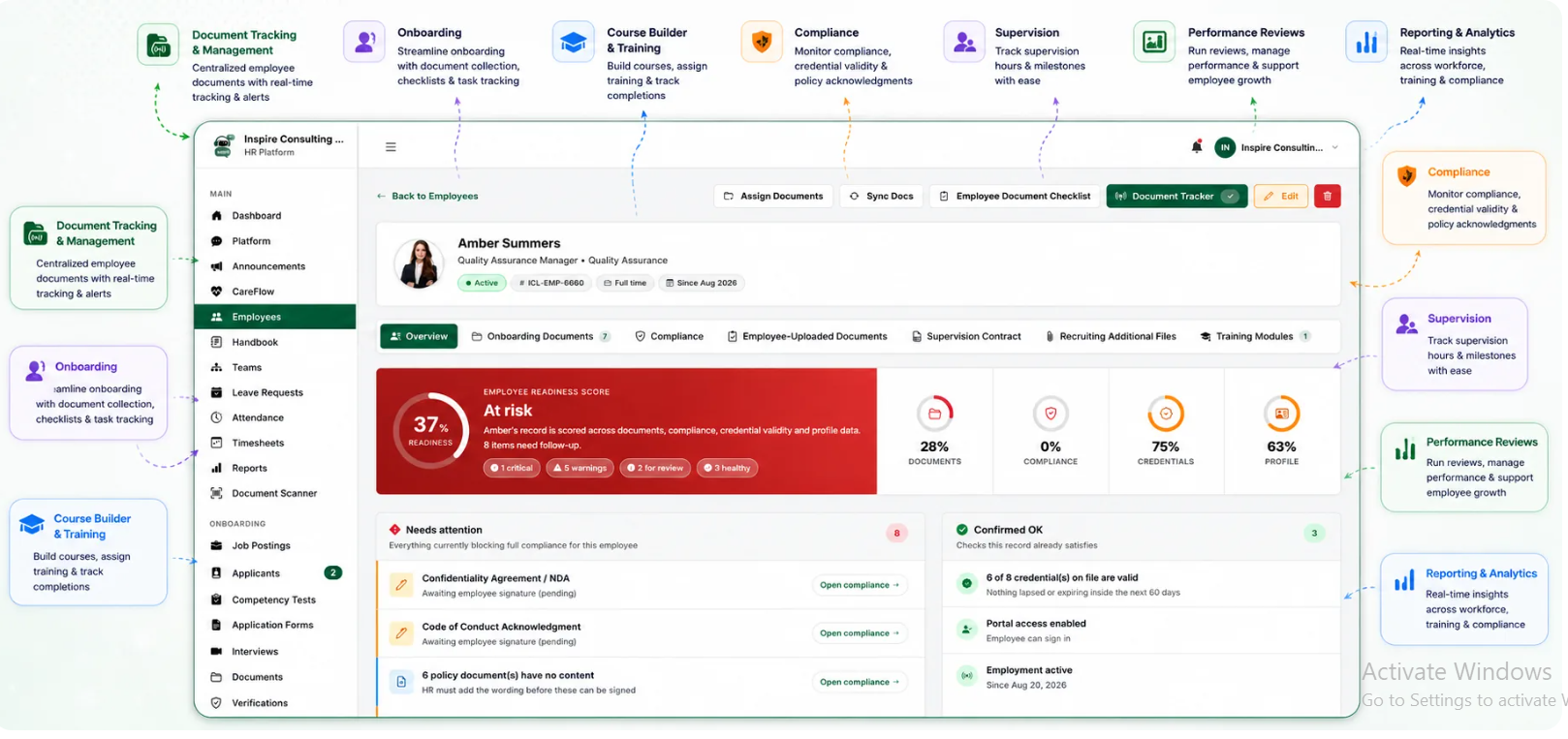
BUAMS HR was built to make supervision structured and trackable.
With BUAMS HR, organizations can:
- document individual and group supervision
- track supervision frequency across staff
- maintain audit-ready supervision logs
- monitor staff performance and development
- align supervision with compliance requirements
Instead of relying on scattered notes, everything is organized in one place.
What Audit-Ready Supervision Looks Like
An audit-ready organization can:
- show supervision records instantly
- demonstrate consistency across staff
- link supervision to performance and care quality
- provide clear documentation without searching
That level of structure reduces risk significantly.
Final Thoughts
Supervision is one of the most important—and most overlooked—parts of compliance.
It is not just about supporting staff.
It is about proving that your organization is:
- structured
- accountable
- focused on quality
When supervision is done right, everything else improves:
- documentation
- staff performance
- client outcomes
- audit readiness
Call to Action
If your organization is struggling to keep supervision consistent and documented:
Use BUAMS HR free for 3 weeks — full access, no credit card, no contract.
See how you can structure supervision, track compliance, and stay audit-ready.
If it works, continue.
If it doesn’t, walk away.