
What Is a PRP Program in Maryland?
If you’re running—or thinking about starting—a behavioral health program in Maryland, you’ve probably heard of PRP.
A Psychiatric Rehabilitation Program (PRP) is a Medicaid-funded service that helps individuals with mental health conditions build the skills they need to live independently and function in their communities.
This includes real, everyday support like:
- maintaining hygiene and daily routines
- managing medications
- finding and keeping housing
- building social connections
- preparing for employment
PRP is regulated under COMAR 10.63, which means it’s not just about helping people—it’s about doing it in a structured, compliant, and well-documented way.
Who Qualifies for PRP Services?
PRP is designed for individuals who need more support than traditional outpatient therapy can provide.
Typically, individuals qualify if they:
- have a diagnosed mental health condition
- show functional challenges (often measured with tools like DLA-20)
- struggle with independence, stability, or daily living
In real life, that looks like:
- someone who can’t maintain housing
- someone missing appointments or medications
- someone socially isolated or unable to work
PRP steps in to bridge that gap.
Staffing Requirements for PRP in Maryland
Let’s be honest—staffing is where most PRP programs either succeed or struggle.
Under COMAR 10.63, your program needs a structured team that can actually deliver rehabilitation—not just check boxes.
Common roles include:
- Rehabilitation Specialists
- Case Managers
- Clinical Supervisors
- Program Directors
But it’s not just about having staff—it’s about how you manage them.
Programs are expected to ensure:
- staff are trained in psychiatric rehabilitation
- supervision happens consistently and is documented
- caseloads are realistic
- staff can actually teach life skills, not just provide support
Where many programs run into trouble:
- expired credentials (background checks, CPR, licenses)
- missing supervision notes
- overworked staff with no structure
- no system to track compliance
PRP Documentation: What You Actually Need
Documentation is one of the biggest stress points for providers—and one of the biggest reasons for audit findings.
At minimum, your program should have:
- a comprehensive assessment (DLA-20, PHQ-9, GAD-7)
- an individualized rehabilitation plan (IRP)
- ongoing progress notes
- monthly summaries
- service authorization records
But here’s what really matters:
Everything has to connect.
Your assessment should clearly lead to your goals.
Your goals should drive your interventions.
Your notes should show real progress—or lack of progress.
Common mistakes we see:
- copy-paste notes
- vague or non-measurable goals
- missing monthly summaries
- documentation that doesn’t reflect actual services
Supervision: The Most Overlooked Compliance Area
Supervision is often treated as a formality—but in PRP, it’s a compliance requirement.
You’re expected to:
- meet with staff regularly (individual and group)
- document what was discussed
- track performance and client-related concerns
- support staff development
Strong programs typically implement:
- weekly individual supervision
- monthly group supervision
- structured supervision tools or templates
Where programs fall short:
- supervision happens, but isn’t documented
- inconsistent schedules
- no clear structure or follow-up
How PRP Services Are Delivered
PRP is not a clinic-only service.
Most services happen:
- in the community
- in clients’ homes
- in shelters
- in real-life environments where skills are needed
The focus is always on functioning, not just symptoms.
That includes:
- building routines
- improving hygiene
- navigating transportation
- developing social and communication skills
- preparing for work or school
Common PRP Compliance Mistakes
If you want to stay ahead, it helps to know where others go wrong.
Some of the most common issues include:
- outdated or incomplete assessments
- expired staff credentials
- weak or unclear IRPs
- repetitive documentation
- missing supervision records
- lack of audit-ready organization
These aren’t small issues—they can lead to:
- repayment demands
- corrective action plans
- licensing risk
How to Prepare for a PRP Audit
Preparing for an audit shouldn’t be a last-minute scramble.
A well-run program should always be audit-ready.
Here’s a simple way to think about it:
- Are your staff credentials current and easy to verify?
- Can you show consistent supervision?
- Do your assessments, plans, and notes align?
- Are your files complete and organized?
The challenge is that many programs still rely on:
- spreadsheets
- paper files
- disconnected systems
That’s where things start to break down.
A Better Way to Manage PRP Programs
As programs grow, managing staffing, compliance, and supervision manually becomes difficult—and risky.
That’s why many organizations are shifting toward centralized systems.
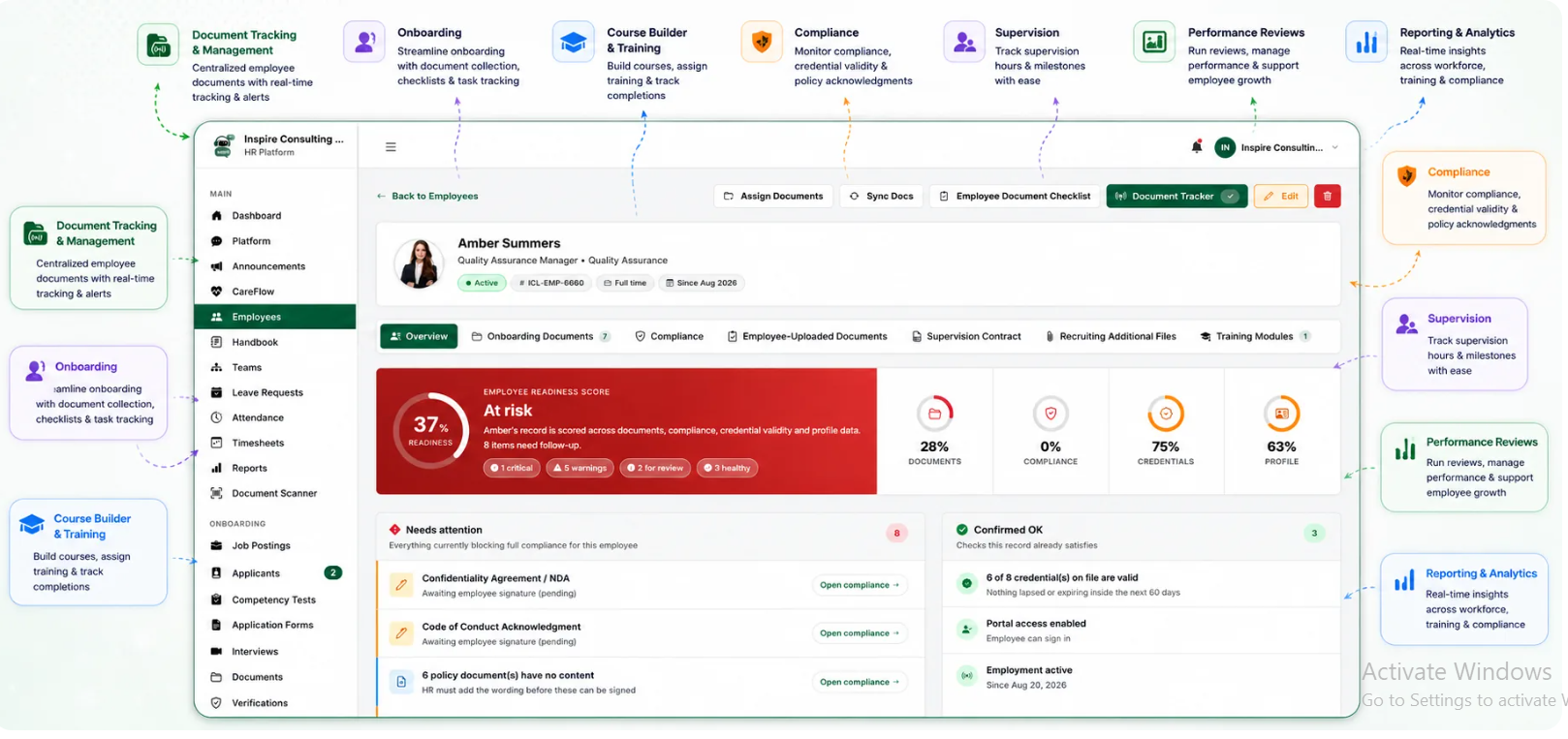
With BUAMS HR, providers are able to:
- track staff credentials and expirations automatically
- document supervision in a structured, compliant way
- assign and monitor training
- manage workforce performance
- connect with qualified healthcare staff
Instead of juggling multiple tools, everything is in one place.
Final Thoughts
Running a PRP program in Maryland is meaningful work—but it comes with real operational responsibility.
The programs that thrive are the ones that:
- stay organized
- invest in their staff
- take compliance seriously
- build systems that support growth
If you get those right, everything else becomes easier—from audits to outcomes.
Call to Action
If you’re running a PRP program—or planning to start one—now is the time to get your systems in place.
Request a demo of BUAMS HR and see how you can simplify workforce management, supervision, and compliance. (www.buamshr.com)
Or, if you’re building your team:
Join the BUAMS workforce network and connect with trained behavioral health professionals in Maryland and DC. (www.buamshr.com)