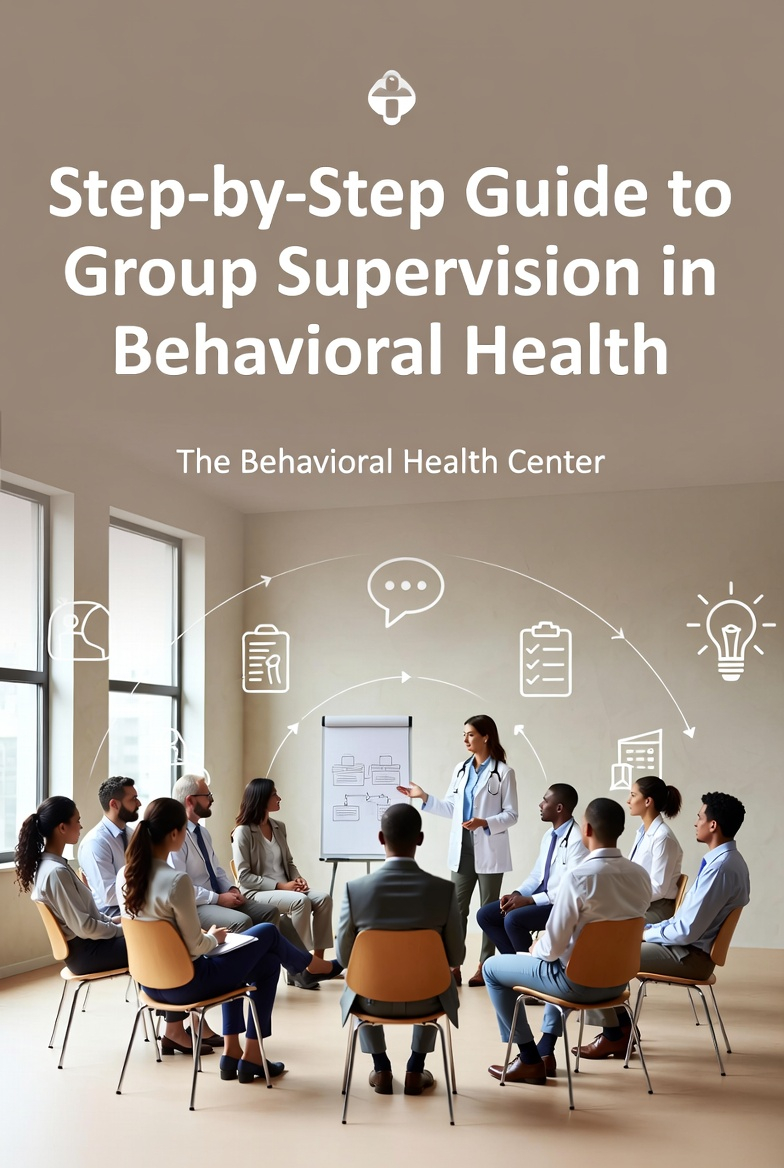
Group Supervision Can Strengthen Your Entire Program
When group supervision is done well, it does more than bring staff together for a meeting.
It helps teams:
- learn from each other
- stay aligned on care and documentation
- improve problem-solving
- strengthen accountability
- feel supported in difficult work
But many organizations struggle with group supervision because it becomes too informal, too broad, or poorly documented.
A good group supervision process should be structured, consistent, and useful.
This guide breaks it down step by step.
Step 1: Define the Purpose of Group Supervision
Before scheduling anything, be clear about why your organization is doing it.
Group supervision should not just be “a team meeting.”
Its purpose is usually to:
- review client care trends
- discuss shared challenges
- improve staff skills
- reinforce documentation and compliance expectations
- support team learning and consistency
When the purpose is clear, the session stays focused.
Step 2: Decide Who Should Attend
Group supervision works best when the right people are in the room.
Depending on your program, attendees may include:
- Rehabilitation Specialists
- Case Managers
- Therapists
- Nurses
- Clinical Supervisors
- Program Directors
Try to group staff in a way that makes sense.
For example:
- staff with similar roles
- staff serving similar populations
- staff working under the same supervisor
If the group is too mixed, the discussion can become unfocused.
Step 3: Set a Consistent Schedule
Consistency matters.
Do not hold group supervision only when there is a problem.
A regular schedule helps staff take it seriously and plan around it.
Most organizations do well with:
- monthly group supervision, or
- biweekly group supervision for higher-need teams
Choose a schedule you can maintain.
A missed session here and there may happen, but the process should feel dependable.
Step 4: Assign a Clear Facilitator
Every session should have one person responsible for leading it.
Usually this is:
- a Clinical Supervisor
- Program Director
- Licensed Clinician
- Qualified Team Lead
The facilitator should:
- guide the discussion
- keep the session on track
- ensure everyone participates appropriately
- redirect if conversation becomes unstructured
- identify follow-up items
Without a facilitator, group supervision often turns into casual conversation.
Step 5: Create a Standard Agenda
A standard agenda keeps the session organized and makes documentation easier.
A simple agenda might include:
1. Opening check-in
Brief updates, attendance, and session purpose
2. Case or service discussion
Review shared themes, difficult cases, barriers, or service delivery concerns
3. Documentation and compliance review
Discuss note quality, common documentation issues, deadlines, or audit risks
4. Skill-building or training point
Address one focused topic such as engagement strategies, crisis response, boundaries, or care coordination
5. Action items and follow-up
Clarify next steps before ending the session
Using the same structure each time creates consistency across your program.
Step 6: Set Ground Rules Early
Group supervision should feel safe, professional, and focused.
At the beginning, establish expectations such as:
- maintain confidentiality
- be respectful
- stay on topic
- participate professionally
- avoid side conversations
- focus on learning, not blame
This is especially important when discussing difficult cases or staff mistakes.
The goal is improvement, not embarrassment.
Step 7: Choose the Right Topics
Not every issue belongs in group supervision.
Use group supervision for topics that benefit the team, such as:
- common client care challenges
- engagement difficulties
- boundary issues
- documentation quality
- workflow problems
- shared compliance reminders
- skill-building around interventions
Avoid using group supervision to discuss:
- highly sensitive staff disciplinary matters
- confidential personnel issues
- topics that should be addressed one-on-one only
Those belong in individual supervision or administrative follow-up.
Step 8: Encourage Participation From the Whole Team
A good group supervision session should not be one person talking the entire time.
Invite participation by asking:
- What are you seeing in the field?
- What barriers are coming up with clients?
- What strategies have worked?
- Where are staff getting stuck?
- What patterns are we seeing in documentation?
The goal is shared learning.
Some staff may be quiet at first, so the facilitator may need to call people in gently and respectfully.
Step 9: Keep the Session Focused on Practice
It is easy for group supervision to drift into general complaints or unrelated updates.
Bring it back to practice:
- client care
- documentation
- service delivery
- staff judgment
- ethical concerns
- quality improvement
That is what makes the session valuable and defensible from a compliance perspective.
Step 10: Document the Session Properly
If it is not documented, it may not help you during an audit or accreditation review.
Your group supervision note should include:
- date
- start and end time
- facilitator name and title
- list of attendees
- key topics discussed
- major guidance or feedback provided
- action steps or follow-up items
Do not just write:
“Held group supervision with staff.”
That is too vague.
Instead, document what was actually covered and what direction was given.
Step 11: Track Follow-Up Items
Group supervision should lead to action.
For example:
- staff may need to correct documentation
- supervisors may need to review a specific client concern
- training may need to be assigned
- workflow adjustments may need to be made
Write these down and revisit them in the next session or in individual supervision.
Without follow-up, supervision loses impact.
Step 12: Review the Process Regularly
Over time, ask:
- Are sessions happening consistently?
- Are the right topics being covered?
- Are staff participating?
- Is documentation complete?
- Is group supervision improving quality and consistency?
This helps you strengthen the process instead of just repeating it.
A Simple Example of a Group Supervision Flow
Here is what a practical 60-minute session might look like:
0–10 minutes: attendance, check-in, session goal
10–25 minutes: review of client care trends or common challenges
25–40 minutes: documentation/compliance discussion
40–50 minutes: teaching point or skill-building topic
50–60 minutes: questions, action items, follow-up assignments
This keeps the session balanced and productive.
Common Mistakes to Avoid
Many group supervision sessions become ineffective because:
- there is no agenda
- attendance is inconsistent
- one person dominates the conversation
- the discussion is too broad
- there is no documentation
- no one follows up on what was discussed
These issues are preventable with structure.
How BUAMS HR Helps
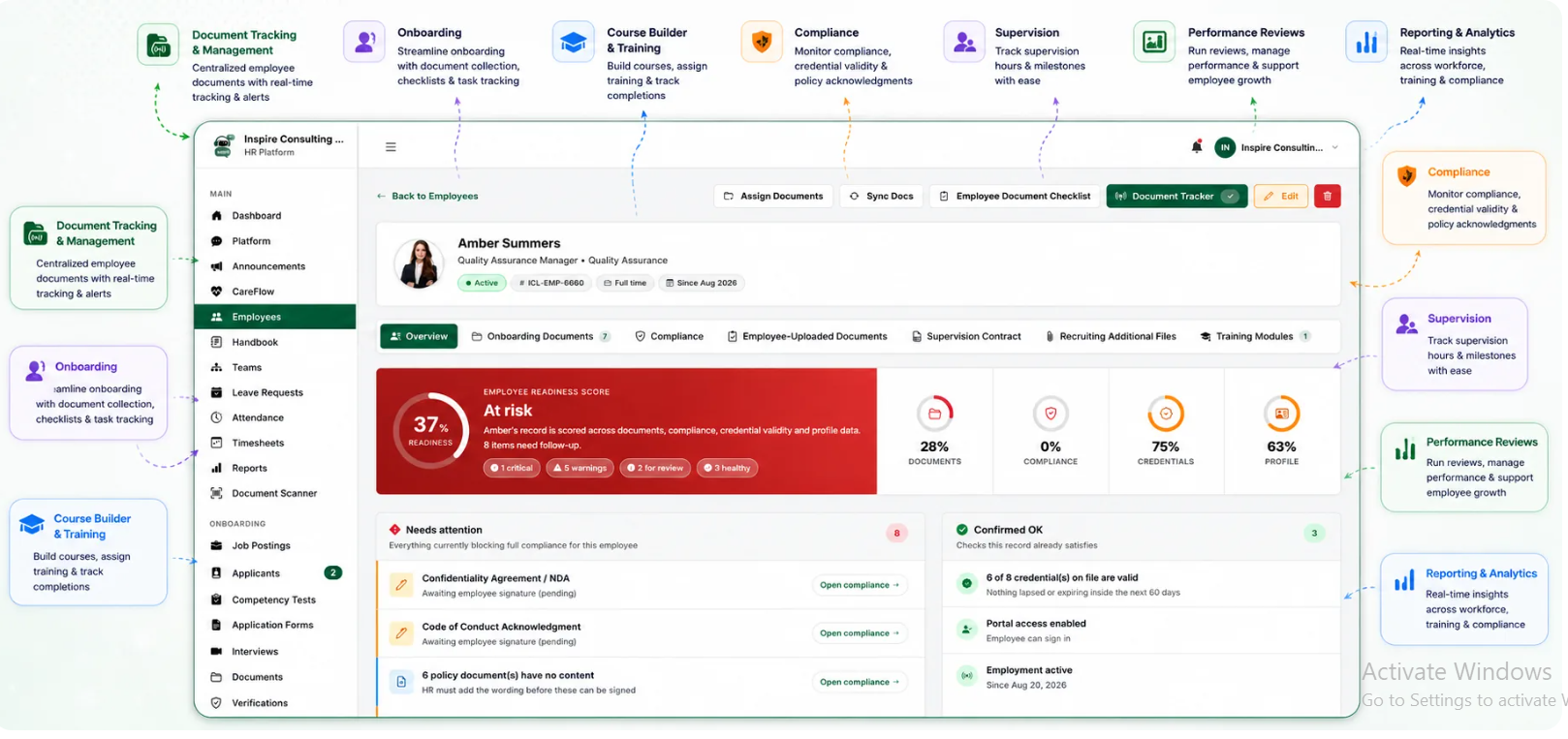
BUAMS HR helps organizations bring structure to group supervision by making it easier to:
- schedule and track sessions
- document attendance and discussion topics
- monitor follow-up items
- maintain organized supervision records
- support compliance and audit readiness
Instead of relying on scattered notes or memory, the process becomes easier to manage across your team.
Final Thoughts
Group supervision should not feel like an extra burden.
When it is structured properly, it becomes one of the most useful tools in your program.
It helps teams stay aligned, strengthens practice, improves documentation, and supports better outcomes.
The key is simple:
- clear purpose
- consistent schedule
- strong facilitation
- proper documentation
- real follow-up
That is what makes group supervision work.
Call to Action
If your organization needs a better way to structure and track supervision:
Use BUAMS HR free for 3 weeks — full access, no credit card, no contract.
See how you can organize supervision, improve accountability, and stay audit-ready.
If it works, continue.
If it doesn’t, walk away.