
Executive leadership in Washington DC organizations operates in an environment defined by complexity, regulation, and rapid change. Decisions must be data-driven, forward-thinking, and aligned with long-term organizational goals. In this context, strategic workforce intelligence has become essential.
Strategic workforce intelligence goes beyond basic HR reporting. It transforms workforce data into actionable insight that supports executive decision-making. For organizations seeking clarity, resilience, and growth, this level of intelligence is no longer optional.
The Shift From HR Data to Workforce Intelligence
Traditional HR systems collect information such as headcount, attendance, and payroll. While necessary, this information alone does not support executive strategy.
Strategic workforce intelligence analyzes patterns, trends, risks, and performance indicators.
It provides leadership with a deeper understanding of workforce capacity, compliance readiness, turnover risks, and operational stability.
For Washington DC organizations operating in regulated and behavioral health environments, this intelligence becomes a strategic advantage.
Why Executive Leadership Needs Workforce Intelligence
Executive leaders are responsible for long-term direction, financial stability, and compliance oversight. Without accurate workforce insights, decisions are often reactive instead of proactive.
Strategic workforce intelligence allows leaders to anticipate staffing shortages, identify burnout risks, evaluate workforce productivity, and plan for sustainable growth.
In Washington DC, where regulations and public accountability are high, leadership cannot rely on outdated spreadsheets or fragmented reports. They need real-time visibility into workforce dynamics.
Aligning Workforce Strategy With Organizational Goals
One of the most powerful benefits of strategic workforce intelligence is alignment. When leadership understands workforce trends, they can connect staffing decisions directly to
organizational objectives.
If an organization plans to expand services, intelligence data reveals whether current teams have the capacity and credentials to support that growth. If retention challenges appear, leadership can address them early before operational disruption occurs.
This alignment ensures that workforce planning supports mission, compliance, and financial sustainability.
Supporting Regulated and Behavioral Health Organizations
In Washington DC, many organizations operate under strict regulatory frameworks. Behavioral health providers, nonprofits, and public-serving organizations face licensing requirements, supervision standards, and audit scrutiny.
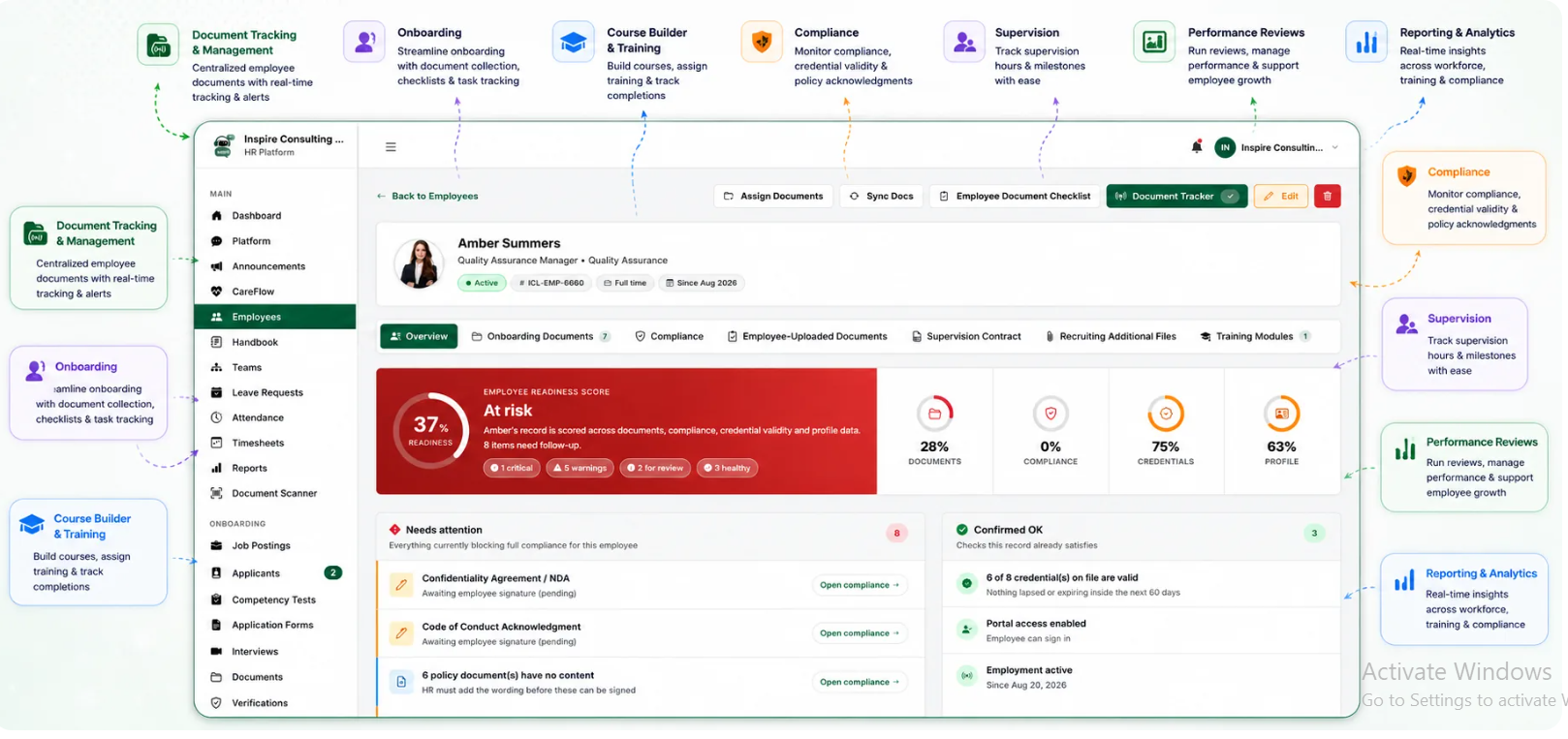
Strategic workforce intelligence provides executives with oversight into credential status, compliance metrics, supervision tracking, and staffing readiness.
Instead of scrambling before audits, leadership maintains ongoing visibility. This reduces risk and strengthens organizational credibility.
From Reactive Management to Proactive Leadership
Without workforce intelligence, leaders often respond to problems after they escalate. Rising turnover, declining morale, or compliance gaps may go unnoticed until they impact performance.
Strategic workforce intelligence shifts leadership from reactive management to proactive strategy. Executives can identify trends early and implement solutions before disruption occurs.
In competitive and regulated environments like Washington DC, this proactive approach strengthens organizational resilience.
Enhancing Financial and Operational Stability
Workforce decisions directly impact financial health. Overtime costs, high turnover, recruitment expenses, and compliance penalties can significantly affect budgets.
Strategic workforce intelligence allows executives to understand the financial implications of workforce patterns. Leaders can optimize staffing levels, reduce unnecessary costs, and allocate resources more effectively.
This connection between workforce data and financial planning strengthens overall operational stability.
Improving Transparency and Accountability
Executive leadership must maintain transparency with boards, stakeholders, and regulatory bodies. Clear workforce intelligence supports accountability.
When leadership has access to accurate, real-time workforce data, reporting becomes consistent and credible. Stakeholders gain confidence in organizational governance and oversight.
For Washington DC organizations serving communities and regulated sectors, this transparency builds trust.
Strengthening Leadership Confidence
Uncertainty creates stress at the executive level. When leaders lack reliable information, decision-making becomes difficult and risky.
Strategic workforce intelligence provides clarity. Executives gain confidence knowing their decisions are supported by comprehensive data rather than assumptions.
This confidence strengthens leadership effectiveness across the organization.
Enabling Long-Term Workforce Sustainability
Sustainable growth requires careful workforce planning. Organizations must prepare for future staffing needs, leadership development, and regulatory changes.
Strategic workforce intelligence identifies skill gaps, succession opportunities, and workforce development priorities. Leadership can build a resilient workforce prepared for future demands.
For Washington DC organizations navigating policy shifts and service expansion, sustainability is a long-term priority.
Building a Data-Driven Executive Culture
When workforce intelligence becomes part of executive strategy, the entire organization benefits. Decision-making becomes consistent, structured, and evidence-based.
A data-driven executive culture encourages collaboration between HR, operations, and finance. Strategic alignment improves across departments.
This cultural shift transforms workforce management from an administrative function into a leadership priority.
Preparing for the Future of Work
The future of work will continue to evolve through technology, hybrid models, workforce expectations, and regulatory adjustments.
Strategic workforce intelligence equips executive leadership with the tools needed to adapt confidently. Organizations remain agile while maintaining compliance and performance standards.
In Washington DC’s dynamic environment, adaptability defines success.
Final Thoughts on Strategic Workforce Intelligence for Executive Leadership
Strategic workforce intelligence empowers executive leadership to make informed, confident, and future-focused decisions. It connects workforce data with organizational strategy, financial planning, compliance oversight, and long-term growth.
For Washington DC organizations operating in regulated and high-demand environments, investing in workforce intelligence is not simply an HR improvement. It is a leadership imperative.
When executives have the right workforce insights, they lead with clarity, strengthen resilience, and position their organizations for sustainable success.