Behavioral health providers do not stop facing workforce issues when the business day ends. A supervisor may learn about a staff injury during an overnight shift. A credential concern may surface before a weekend assignment. A site lead may need immediate guidance when an employee reports a safety issue, a policy violation, or an urgent staffing risk after hours. When those events are managed through scattered texts, personal phone calls, and memory, organizations can lose time, create inconsistent responses, and struggle to prove what was escalated, to whom, and when.
After-hours escalation path software gives HR teams a structured way to define and document what should happen when employee, compliance, or supervision issues surface off shift. Instead of leaving every site leader to improvise, providers can route incidents by type, assign the right response owner, capture required facts, and preserve a clean record for follow-up the next business day. For behavioral health organizations operating across evenings, weekends, residential programs, crisis services, or multi-site teams, that structure reduces confusion when fast decisions matter most.
Key Takeaways
What Is After-Hours Escalation Path Software?
After-hours escalation path software is a workflow system that helps organizations manage employee-related issues that arise outside normal office hours. In behavioral health settings, that can include staffing disruptions, supervision gaps, workplace complaints, employee injuries, licensing questions tied to upcoming assignments, urgent policy concerns, or site-level operational events that require HR or compliance review.
The software is not just a digital contact list. It creates a repeatable process for intake, triage, routing, documentation, and next-step ownership. Instead of telling managers to “call whoever seems right,” organizations can define escalation categories, required information, response priority, backup approvers, and expected handoff rules for the next shift or next business day.
That matters because after-hours issues are usually handled under pressure. A supervisor may be juggling client care, staffing coverage, and employee concerns at the same time. Good software reduces guesswork by making the path visible before the problem starts.
Why It Matters for Behavioral Health Providers
Behavioral health providers often run services that extend beyond a standard Monday-to-Friday schedule. Residential programs, mobile teams, crisis stabilization services, detox settings, and supported living environments may all have evening, overnight, and weekend staffing realities. When an employee issue happens during those hours, the question is not whether someone will respond. The question is whether the response will be consistent, documented, and aligned with policy.
Without a clear escalation path, the same type of issue may be handled differently from site to site. One manager may wake the wrong executive for a routine issue. Another may delay escalation on a serious risk because the situation is unclear. A third may resolve something informally but fail to preserve documentation that HR needs later. Those inconsistencies create operational strain and can turn a manageable workforce issue into a larger compliance problem.
After-hours escalation path software helps providers define what needs immediate action, what can wait until morning, and what documentation must be captured either way. That clarity supports safer decisions, stronger supervision, and cleaner follow-through across the organization.
Common Breakdowns in Manual After-Hours Escalation
Manual escalation systems usually depend on habit instead of structure. Organizations may have a policy somewhere, but under real conditions staff fall back on memory, old contact lists, or personal texting patterns. That creates preventable gaps.
These failures do not just waste time. They can affect staff safety, assignment decisions, employee relations handling, and the organization’s ability to show that appropriate action was taken when a question later comes under review.
What to Look For in After-Hours Escalation Path Software
Issue-based routing rules
The software should let providers sort events by type, such as staffing shortages, injuries, allegations, policy concerns, supervision gaps, or urgent credential questions. Different issue types should trigger different routing paths, response times, and required contacts.
Priority and urgency controls
Not every after-hours concern should activate the same response. Strong workflows separate emergencies, urgent but non-emergency matters, and next-business-day follow-up items. This helps organizations avoid alert fatigue while still moving fast when real risk is present.
Backup contact logic
Primary contacts are not always reachable. Good software should support secondary escalation rules so staff know who takes over when the first person does not respond. That is especially important across nights, weekends, holidays, and multi-site coverage models.
Structured fact capture
Managers should not have to remember every detail that HR might need later. The system should prompt for basics such as employee name, site, shift, issue summary, immediate actions taken, witnesses, assignment impact, and whether client care or safety risk is involved.
Documented handoff to daytime teams
After-hours action is only part of the workflow. The software should create a clean handoff for HR, compliance, or leadership to review the next day, assign further work, and close the issue with proper documentation.
Audit-ready activity history
Behavioral health providers benefit from a visible timeline showing when the issue was submitted, who was notified, who responded, what direction was given, and what follow-up remains open. That history supports accountability without forcing teams to search through call logs and inboxes.
Best Practices for a Stronger After-Hours Response Process
Software works best when leadership defines the decision framework behind it. Providers should document which issues require immediate executive awareness, which belong to HR the next business day, what facts must be collected before escalation, and how to handle incomplete information when the situation is still developing.
These practices help providers build confidence across teams. People respond better after hours when they know the organization has already decided what “good escalation” looks like.
How BUAMS HR Helps
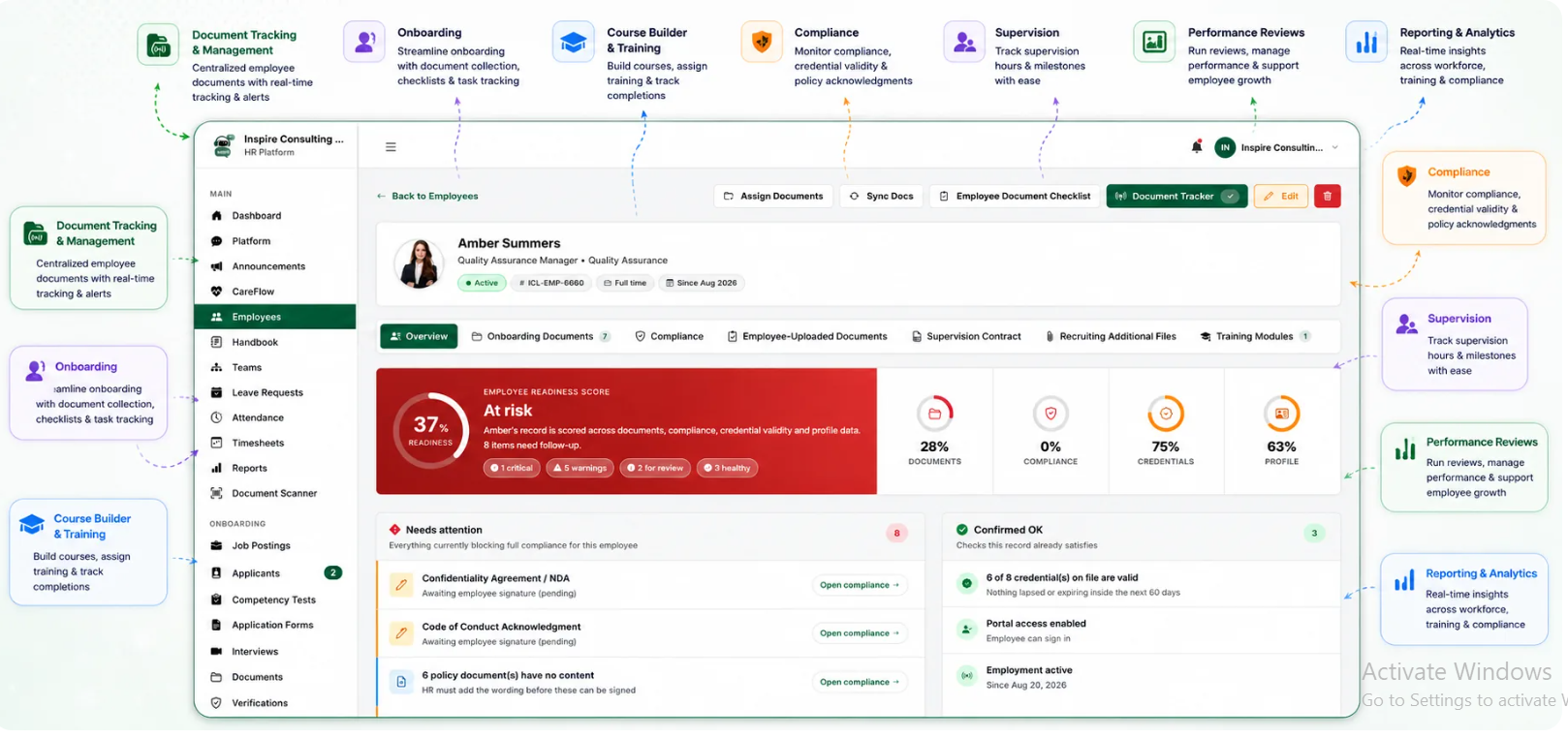
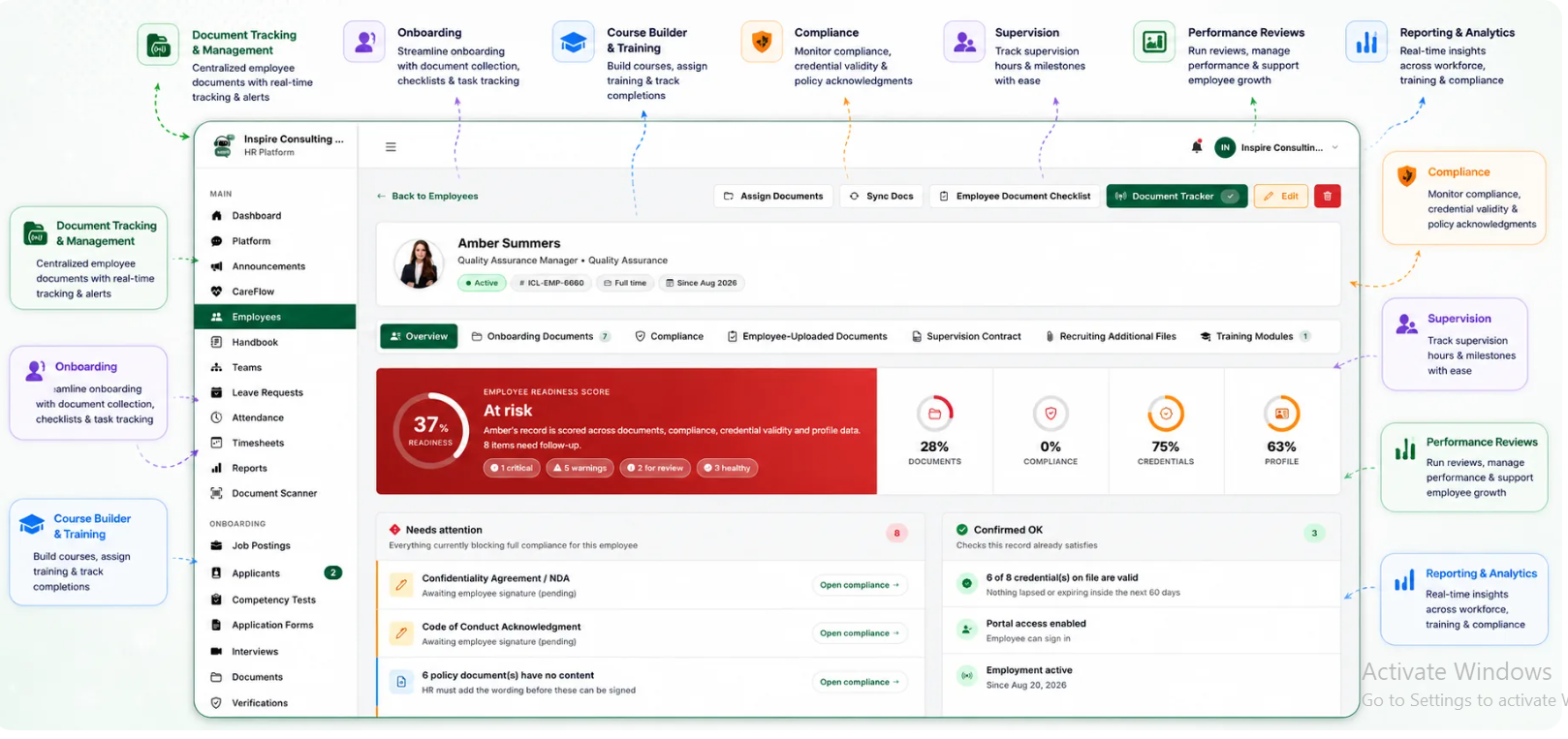
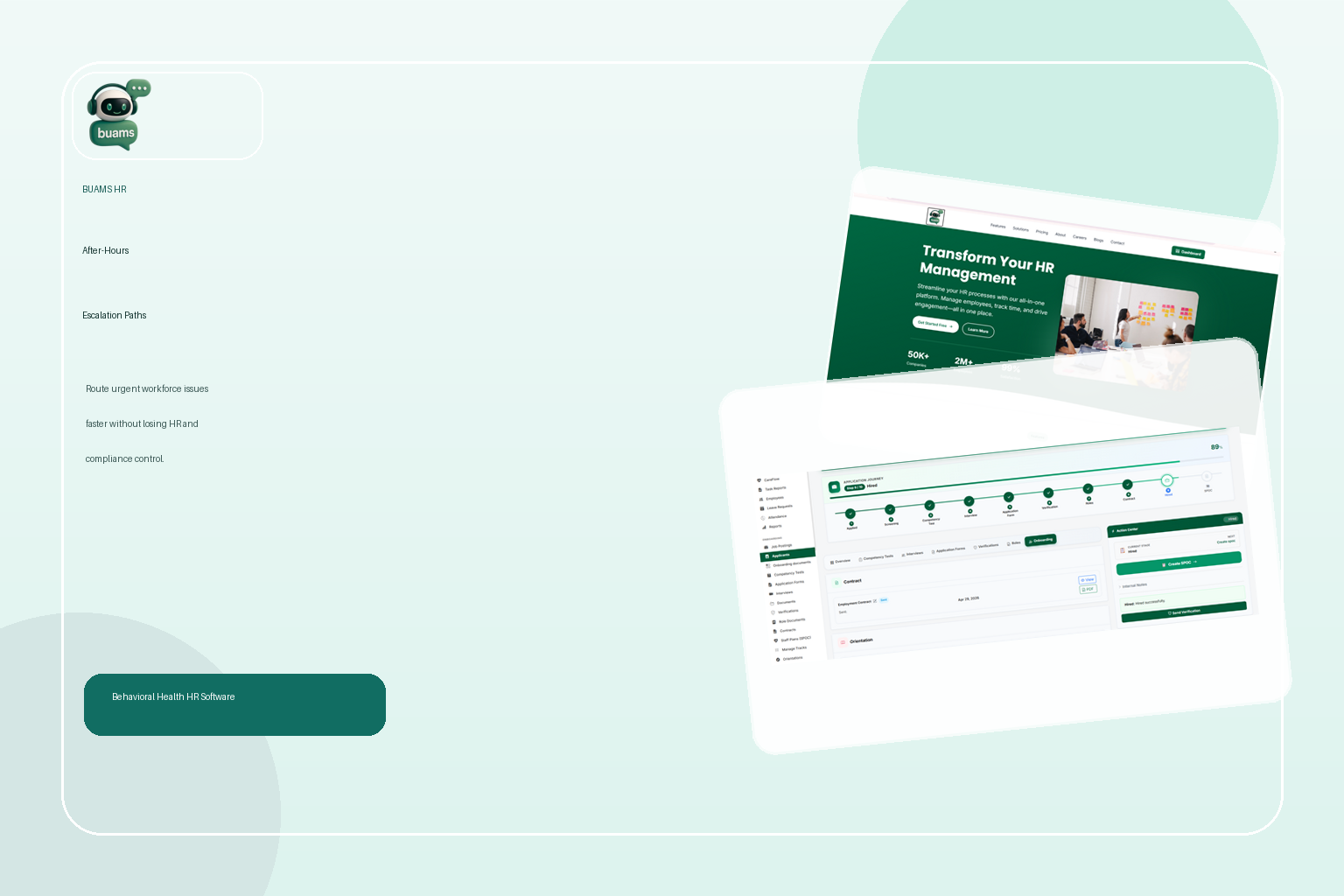
BUAMS HR supports behavioral health providers that need clearer workforce processes across hiring, employee records, compliance follow-up, and operational accountability. In an after-hours escalation workflow, that kind of system matters because workforce issues rarely stay isolated. A late-night escalation may affect assignment eligibility, supervisor review, employee documentation, incident follow-up, or the status of required credentials and records.
By keeping employee information, documentation, and workflow activity more connected, BUAMS HR can help organizations preserve a stronger record of what happened and what actions come next. That makes it easier for morning teams to pick up the issue without losing context, and it helps leaders standardize response expectations across sites instead of depending on whoever happens to be on duty.
For providers that want fewer off-shift surprises and more consistent follow-through, a structured HR workflow is a practical advantage. It supports faster decisions in the moment and better documentation when the organization needs to review the event later.
Final Thoughts
After-hours escalation path software helps behavioral health providers handle workforce issues with more discipline when time, stress, and incomplete information could otherwise drive inconsistent choices. The goal is not to over-engineer every overnight event. The goal is to make sure the right people are alerted, the right facts are captured, and the next step is clear before the issue drifts into confusion.
For organizations managing around-the-clock services, that structure protects response quality, reduces avoidable delays, and gives HR and compliance teams better visibility into what happened off shift. When after-hours escalation is organized, providers can support staff more effectively and carry less operational risk into the next day.