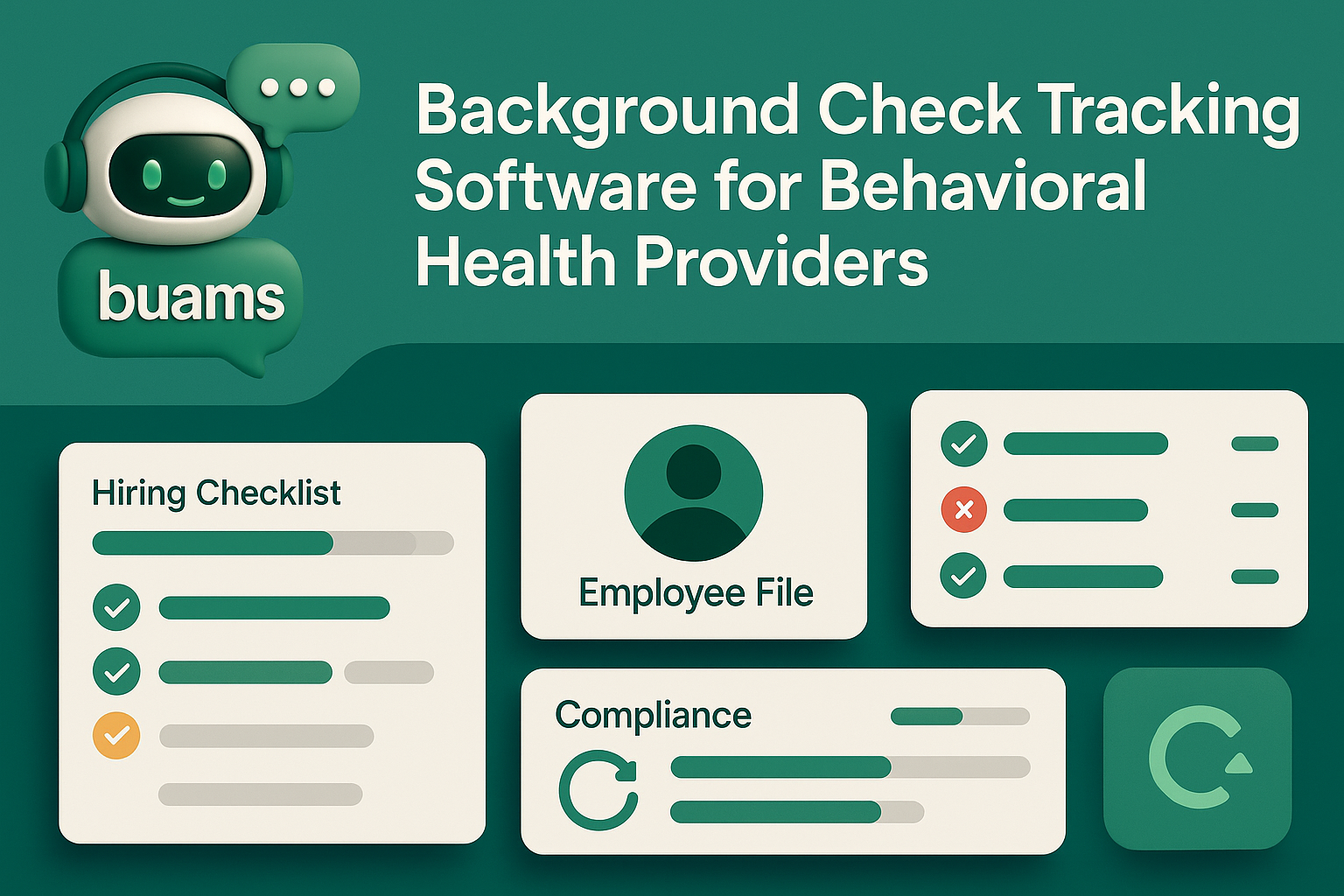
Background Check Tracking Software for Behavioral Health Providers: How to Shorten Hiring Delays Without Losing Compliance
Behavioral health organizations often lose valuable hiring time between offer acceptance and day-one readiness. Background screenings, reference checks, document collection, policy acknowledgments, and role-specific approvals can move through separate inboxes and spreadsheets, which makes it easy for one missing item to stall the entire process. Background check tracking software helps HR teams keep each step visible, accountable, and connected to the employee record.
For mental health agencies, speed matters, but so does consistency. Teams need a practical way to see what has been requested, what is complete, what is overdue, and what still needs review before a new hire is cleared to start.
Key Takeaways
What Is Background Check Tracking Software?
Background check tracking software is a system that helps HR teams monitor pre-employment screening steps from request to final clearance. In a behavioral health setting, that can include criminal background checks, role-based verifications, document collection, signed acknowledgments, and internal approvals required before a staff member begins work.
The point is not only to record that a check happened. A strong process also shows who is waiting on what, when items were requested, whether documents were received, and whether the employee file is truly ready for onboarding and audit review.
Why It Matters for Behavioral Health Hiring
Behavioral health providers regularly hire across multiple job types, from licensed clinicians to support staff, care coordinators, and administrative roles. Each role may carry different requirements, timelines, and supervisors. When background-related tasks live in separate places, HR teams end up spending too much time following up manually and too little time moving candidates toward a clean start date.
Delays can affect coverage, scheduling, supervision readiness, and the employee experience. Just as important, inconsistent documentation creates avoidable exposure during internal reviews, payer checks, or accreditation preparation. A repeatable tracking process helps agencies stay organized even when hiring volume increases.
Common Hiring Bottlenecks a Tracking Workflow Should Solve
Missing status visibility
If recruiters, HR coordinators, and hiring managers cannot see whether a screening is pending, complete, or blocked, they tend to duplicate follow-up or assume someone else handled it. A centralized view removes guesswork.
Disconnected documents
Background check confirmations, onboarding forms, and role approvals should not live in separate folders with no reliable connection to the final employee file. When they do, teams waste time assembling proof later.
Manual reminders
Without automated task tracking, HR staff often rely on calendar notes or memory to chase incomplete items. That creates unnecessary risk when several new hires are in motion at once.
Uneven role-based requirements
Not every position needs the same checklist. A useful workflow supports role-specific steps so that licensed and non-licensed staff can move through the right process without forcing HR to rebuild the checklist each time.
What to Look for in Background Check Tracking Software
Best Practices for a More Reliable Screening Process
Start by defining exactly which items must be complete before a new employee can begin work. That seems obvious, but many teams still rely on informal norms instead of a documented checklist. Make the required path visible, assign owners to each step, and use the same structure every time a similar role opens.
Next, separate truly required items from optional or later-stage tasks. This helps hiring teams understand what blocks a start date and what can happen after day one. Finally, keep all related documentation inside the employee record so the organization can prove that its process was followed, not just assumed.
How BUAMS HR Helps
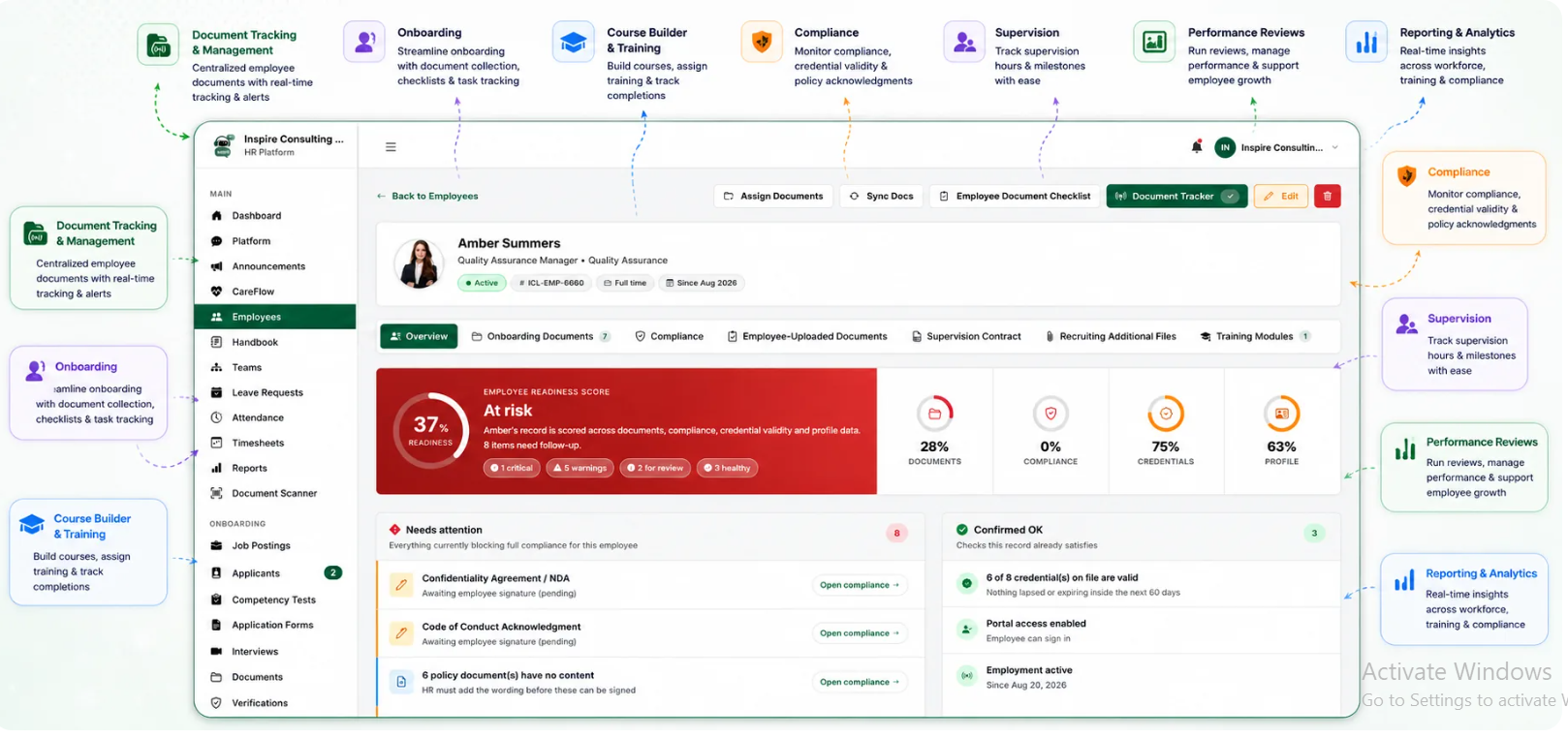
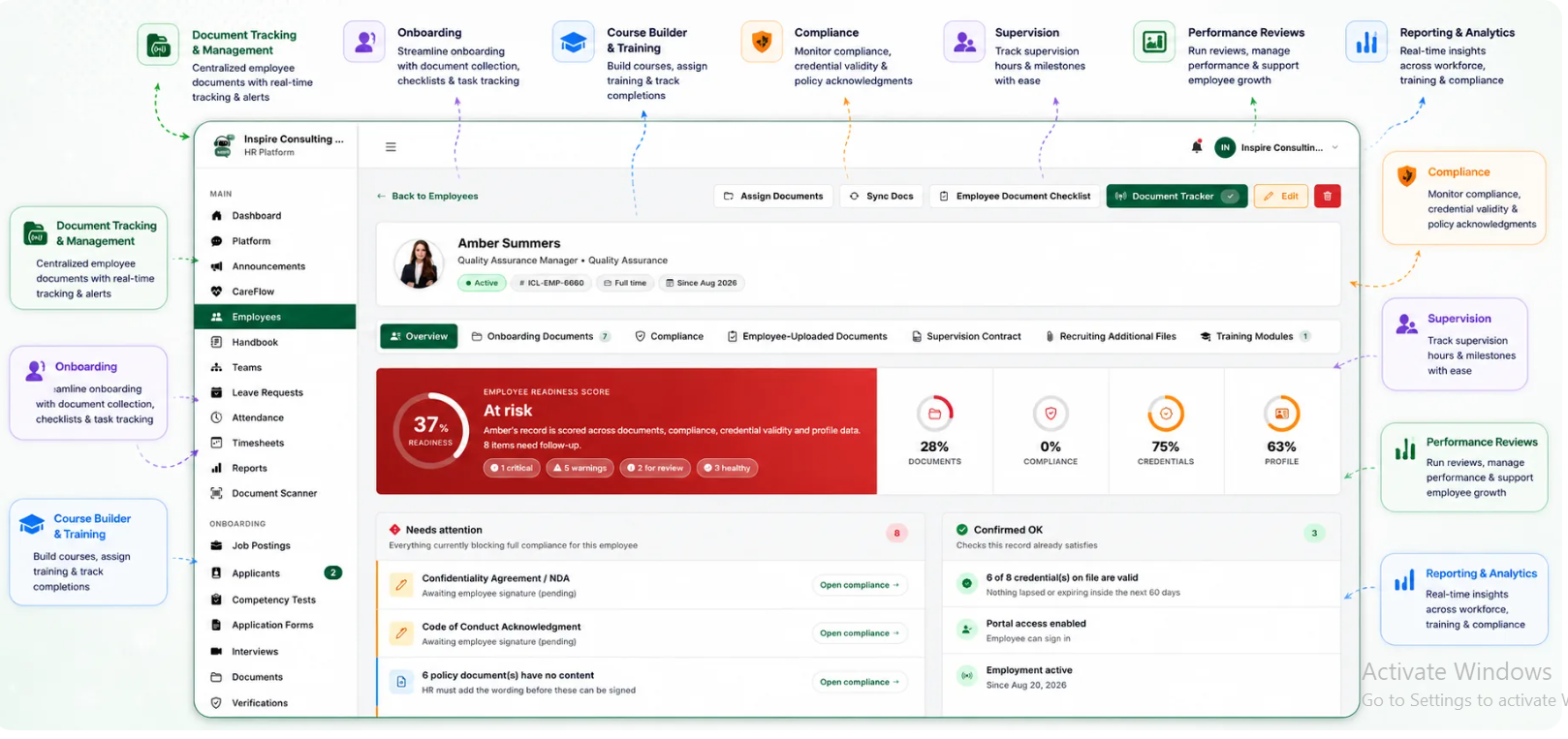
BUAMS HR gives behavioral health organizations a practical place to organize hiring workflows, employee records, and compliance documentation together. Instead of relying on scattered spreadsheets and inbox follow-up, teams can keep onboarding steps visible, collect required documents, and maintain cleaner employee files from the start.
That matters when agencies need to move quickly without sacrificing consistency. By keeping pre-start tasks, records, and role-based requirements connected, BUAMS HR helps teams reduce avoidable delays and maintain stronger operational control.
Final Thoughts
Background check tracking software is valuable because it creates process clarity at a stage where delays and missing proof are common. For behavioral health providers, that clarity supports faster hiring, cleaner documentation, and better readiness for the reviews that come later.
When HR teams can see each requirement, assign responsibility, and keep evidence attached to the employee record, they spend less time chasing updates and more time helping new staff start prepared.