Behavioral health providers move quickly when a strong candidate is ready to start, but that pace often slows down when a background screening returns a finding that needs review. A record may require clarification, a source document may need follow-up, or an exception may need leadership approval before the hire can move forward. Background screening adjudication software gives HR teams a structured way to collect the facts, document the review, route decisions to the right stakeholders, and keep the hiring process moving without losing compliance control.
That matters because adjudication is rarely just an employment question in behavioral health. Screening findings can affect staff eligibility for site access, client-facing assignments, payer requirements, transportation duties, and risk management decisions. When organizations handle those reviews in email threads or scattered spreadsheets, they create delays, inconsistent decisions, and weak documentation. A better workflow helps teams respond faster while keeping every hiring decision tied to a clear record.
Key Takeaways
What Is Background Screening Adjudication Software?
Background screening adjudication software is a workflow used to evaluate screening findings that cannot be cleared automatically. In behavioral health hiring, that can include criminal history disclosures that need policy review, source mismatches that require verification, exclusions or sanctions that need escalation, or license-related flags that change whether a candidate may serve in a specific role. The goal is not to replace the screening vendor. The goal is to organize the internal decision process that happens after a finding appears.
The right workflow shows what was flagged, when it was received, which documents support the review, who needs to weigh in, and what decision was reached. It should also capture whether the issue affects only one role, one site, or the candidate’s eligibility to work across the organization. Instead of letting each manager interpret findings differently, the organization builds a repeatable review path that protects fairness, speed, and documentation quality.
For behavioral health providers, this is especially important because not every role carries the same exposure. A finding that may not prevent hire in one setting could create real concern in a community-based program, residential environment, or transportation-related role. Adjudication software helps HR teams connect the finding to the actual job context before a decision is finalized.
Why It Matters for Behavioral Health Hiring
Hiring delays are expensive in behavioral health. Open roles can lead to higher overtime, slower onboarding, and missed opportunities to expand care capacity. Yet pushing a candidate through without a documented review can create an even larger problem if the organization later cannot explain why the decision was made or whether required reviewers were involved. Behavioral health providers need both speed and control, and that balance is hard to maintain without a structured adjudication process.
There is also a consistency problem. When screening findings are reviewed ad hoc, different recruiters, HR generalists, or site leaders may treat similar situations in different ways. One candidate might be escalated promptly while another sits in a queue because no one is sure who owns the next step. Over time, those gaps create avoidable risk and make it harder to defend the organization’s hiring practices during an internal review, accreditation survey, or legal inquiry.
Behavioral health organizations also operate in a more layered compliance environment than many employers. They may need to consider state requirements, payer rules, supervision conditions, community-access responsibilities, and role-specific safety expectations at the same time. A documented workflow makes those considerations visible instead of depending on memory or side conversations.
What to Look for in an Adjudication Workflow
Clear intake for every flagged result
The process should start with a standard intake record that captures the screening date, the type of finding, the source of the information, and the basic employment context. That creates a clean starting point and makes it easier for reviewers to understand the issue without hunting through inboxes or vendor portals.
Role-based decision context
Adjudication should not happen in a vacuum. Reviewers need to see the position, supervision model, work setting, driving expectations, access level, and any site-specific restrictions that matter. A useful workflow helps the organization assess the finding in relation to the actual job instead of applying generic assumptions.
Document collection and follow-up tasks
Many findings require more than a yes-or-no decision. Teams may need court documents, clarification from the candidate, an updated disclosure form, leadership input, or a secondary compliance review. A strong workflow turns those steps into visible tasks with owners and due dates so follow-up does not stall.
Controlled approvals
Behavioral health providers often need defined approval paths for higher-risk hiring decisions. The system should make it clear when HR can resolve an issue directly, when compliance or legal review is needed, and when executive approval is required. That reduces confusion and helps managers avoid making unsupported exceptions.
Audit-ready decision history
Every adjudication outcome should leave a usable record behind. Teams should be able to show what was reviewed, what documentation supported the decision, who approved it, and whether any assignment limits or follow-up conditions were attached. That history is essential when a decision is questioned later.
Common Failure Points to Avoid
One frequent mistake is treating all flagged results as urgent but not prioritizing them. Some findings can be resolved quickly with a document request, while others need broader review because they affect client safety, licensure, or access privileges. Without a structured triage process, low-risk cases and high-risk cases can sit together in the same queue, slowing everything down.
Another problem is separating the adjudication record from the employee or candidate file. If the hiring decision lives in one system, the supporting documents live in another, and the follow-up tasks live in email, it becomes difficult to prove the organization handled the issue correctly. It also makes later reviews harder when a candidate is hired with conditions that need continued monitoring.
Teams should also avoid informal approvals. If a site leader gives a verbal green light but no one records the basis for that decision, the organization loses traceability. In behavioral health settings, where workforce decisions can affect vulnerable populations and regulated services, undocumented exceptions create unnecessary exposure.
How BUAMS HR Helps
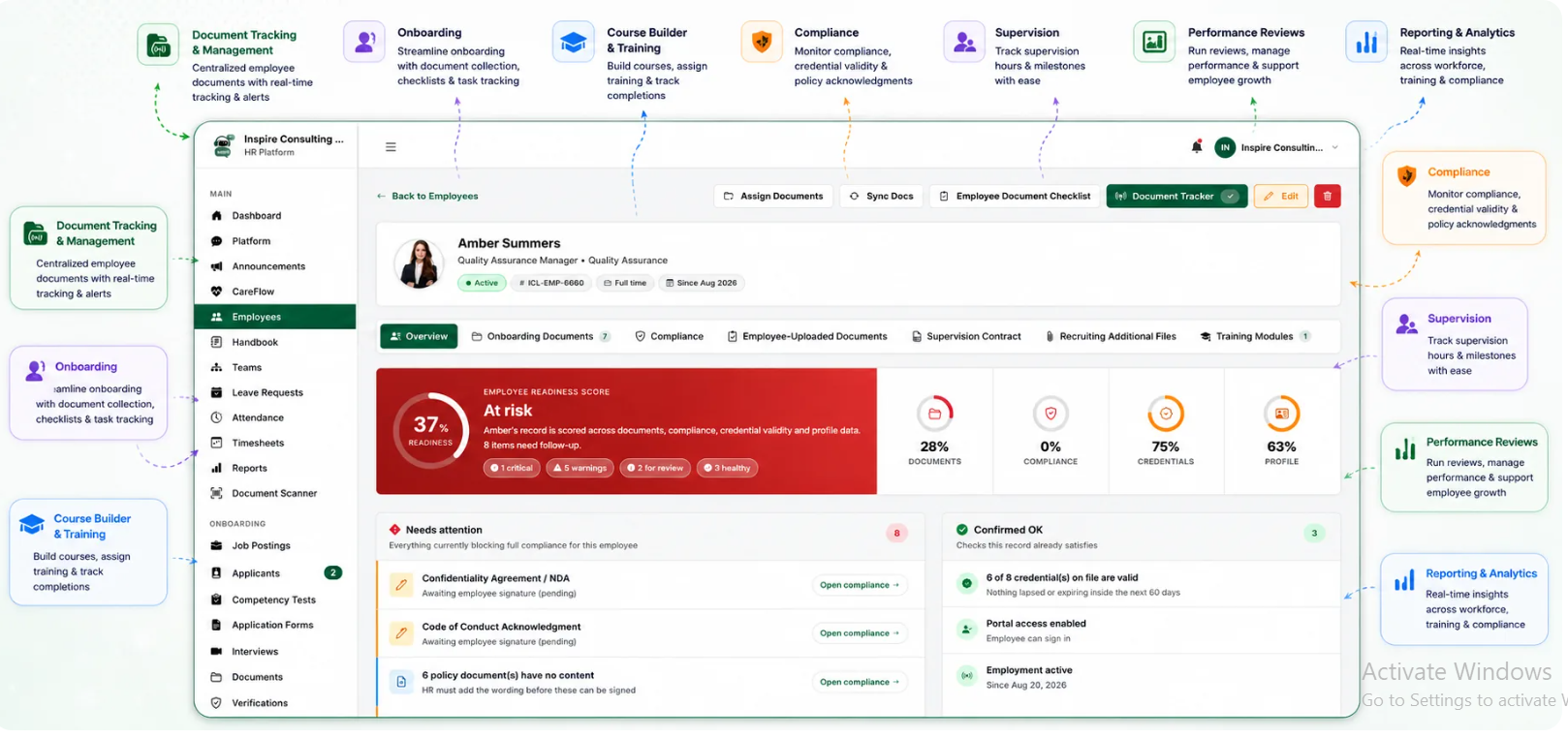
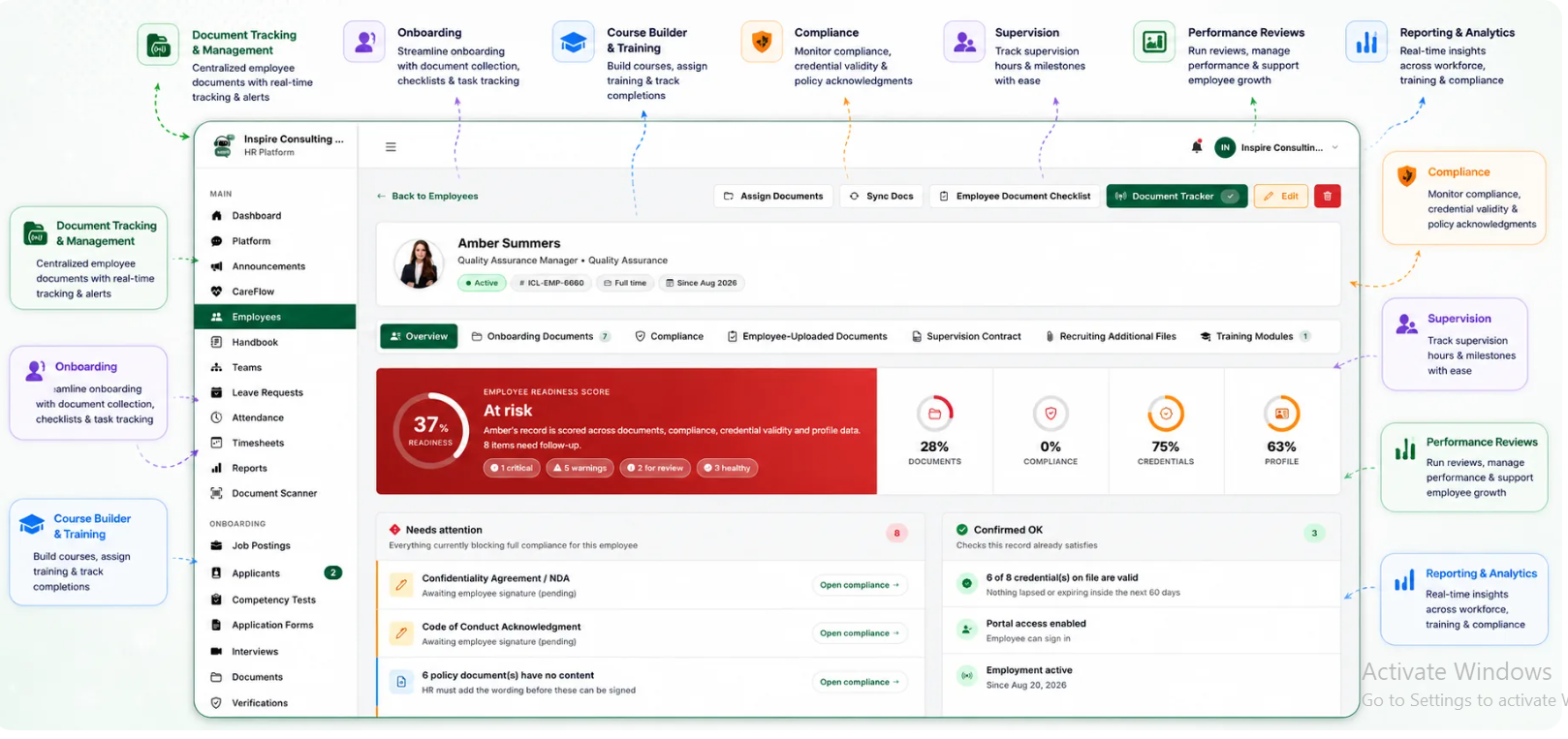
BUAMS HR helps behavioral health organizations keep employee records, compliance documentation, and follow-up workflows organized in one place. For background screening adjudication software needs, that means teams can maintain a cleaner record of what was flagged, what internal review occurred, what documents were collected, and which approvals were completed before the hire moves forward.
Instead of spreading sensitive hiring information across separate spreadsheets, inboxes, and shared folders, HR leaders can keep adjudication-related materials tied to the broader employee-file and readiness process. That makes it easier to coordinate with compliance staff, confirm that required steps were completed, and retain a defensible history if questions come up later.
For behavioral health providers trying to reduce hiring friction without weakening oversight, that structure matters. BUAMS HR supports a practical workflow where faster review and stronger documentation can happen together rather than competing with each other.
Final Thoughts
Background screening adjudication software gives behavioral health providers a more disciplined way to handle one of the most sensitive moments in hiring. When a screening result needs review, the organization should be able to collect facts quickly, involve the right decision-makers, and document the outcome in a way that stands up later.
That kind of control helps providers protect compliance, reduce avoidable hiring delays, and make more consistent workforce decisions across programs and sites. In a sector where both staffing speed and trust matter, a better adjudication workflow is not administrative overhead. It is part of responsible growth.