Behavioral Health Supervision Software: How HR Teams Can Support Oversight, Documentation, and Staff Readiness
Behavioral health organizations depend on consistent clinical and administrative supervision to support staff performance, protect quality of care, and maintain compliance. But many HR teams are still managing supervision records across spreadsheets, email threads, paper forms, and disconnected folders. That creates unnecessary risk when supervisors change, documentation is overdue, or an accreditation review requires proof that oversight is happening on schedule.
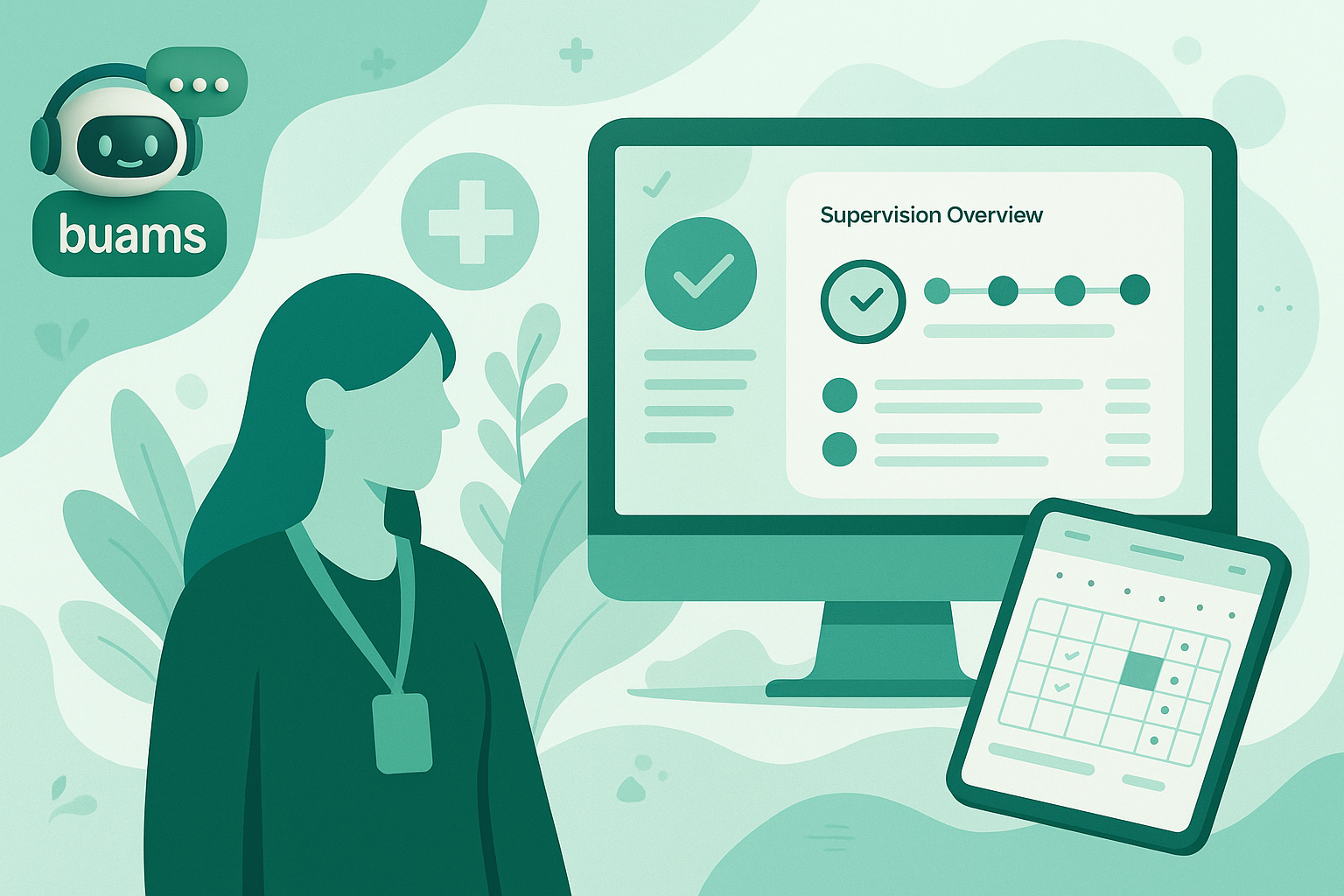
Behavioral health supervision software gives HR and operations leaders a more dependable way to organize supervision requirements, document completion, and keep records accessible. Instead of chasing updates at the last minute, teams can build a repeatable process that supports managers and keeps employee files current.
Key Takeaways
What Behavioral Health Supervision Software Helps Solve
Supervision in behavioral health is rarely a one-size-fits-all process. Licensed clinicians, trainees, direct care staff, and program managers may all have different expectations for meeting frequency, documentation, and review. When those obligations are tracked manually, gaps appear quickly.
Common problems include missed supervision sessions, inconsistent note storage, unclear accountability between HR and department leaders, and difficulty proving completion during an audit. Even when supervision is happening, organizations may struggle to show the right documentation at the right time.
A structured software approach helps standardize these workflows. HR can define expectations by role, support reminders and follow-up, and keep records connected to the employee file instead of scattered across separate systems.
Why It Matters for Behavioral Health Providers
In behavioral health settings, supervision affects more than internal organization. It supports care quality, employee development, and compliance with funder, accreditation, and licensing expectations. Delays or missing records can create operational stress and expose the organization to unnecessary findings.
It also matters for retention. Staff are more likely to feel supported when expectations are clear, meetings are documented, and managers have a reliable system for coaching and follow-through. A messy process can make supervision feel inconsistent or optional, even when leadership intends the opposite.
For growing agencies, the risk increases as new sites, supervisors, and programs are added. What worked for a small team often breaks down once multiple departments need the same visibility and documentation standards.
What to Look for in a Practical Supervision Workflow
Role-based supervision requirements
Different employees may need different oversight schedules. A practical system should let HR align supervision expectations with role, credential status, location, or program type so requirements are clear from the start.
Centralized documentation
Supervision notes, acknowledgments, and related follow-up items should be easy to store and retrieve in one place. This helps reduce version confusion and prevents documentation from getting lost in inboxes or local drives.
Reminders and overdue visibility
Managers and HR teams need a way to see what is upcoming, completed, and overdue. Timely reminders help reduce last-minute scrambling and make accountability easier across busy teams.
Connection to employee records
Supervision data is more useful when it sits alongside credentials, onboarding documents, training records, and compliance items. That gives a fuller picture of staff readiness and simplifies audit preparation.
Reporting for reviews and audits
When leadership or surveyors ask for evidence, reports should be easy to produce. A strong workflow makes it simpler to demonstrate that required supervision is defined, scheduled, completed, and documented appropriately.
How BUAMS HR Helps Organize Supervision Operations
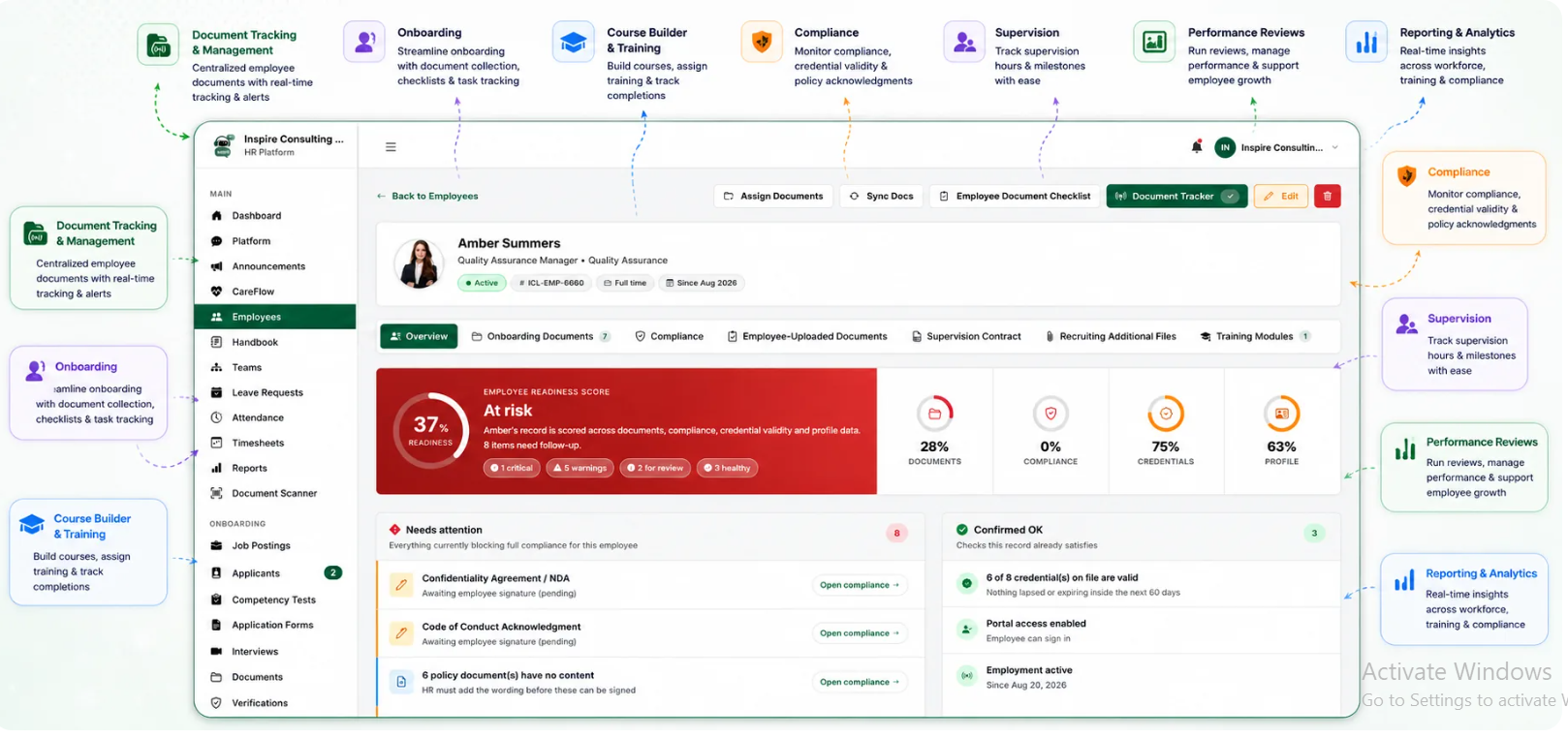
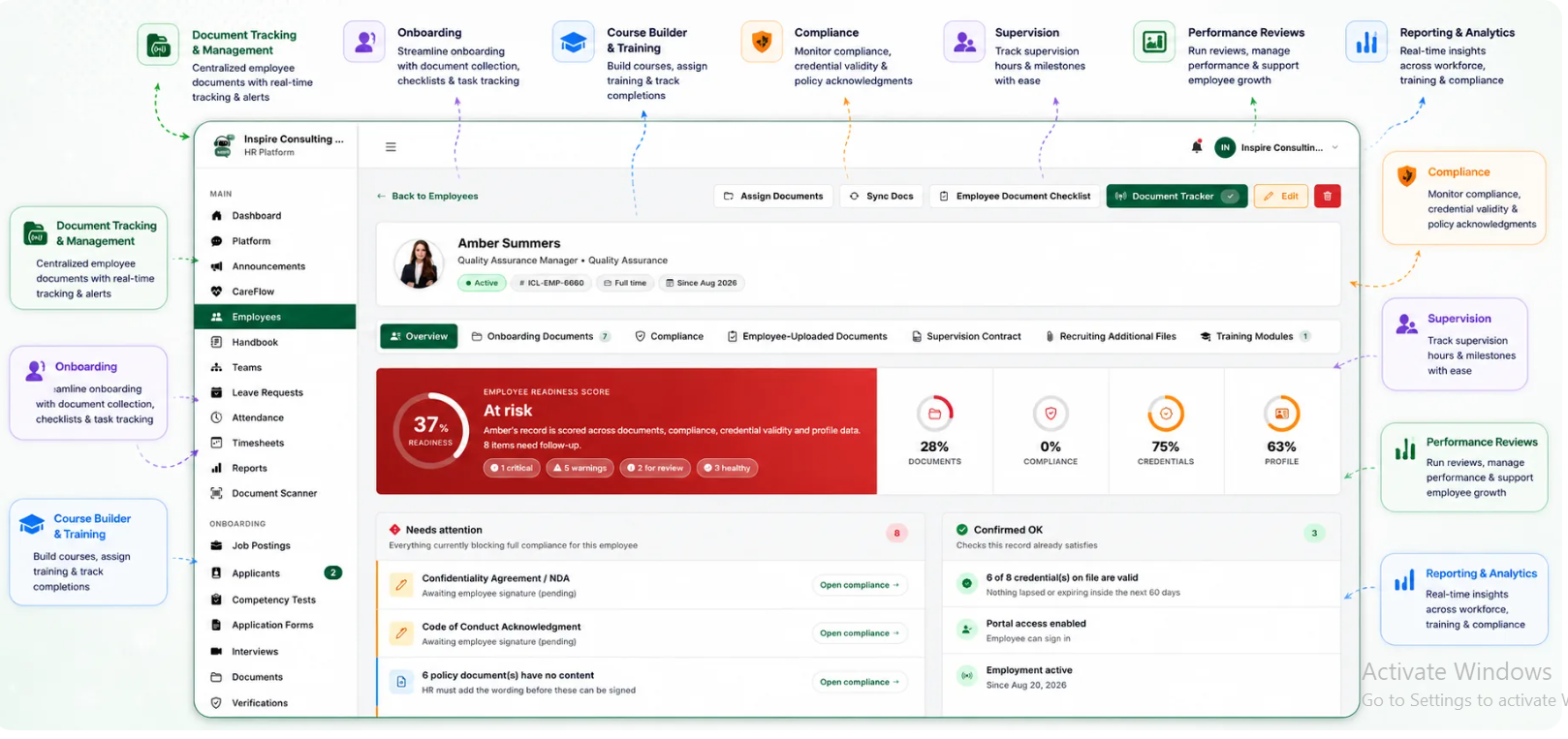
BUAMS HR gives behavioral health organizations a more centralized way to manage workforce processes that often affect supervision readiness. HR teams can keep employee documents, compliance records, and related staff information in one place instead of relying on disconnected files.
That foundation supports more consistent oversight workflows. When employee records are organized and easy to access, teams can follow supervision requirements more reliably, reduce administrative friction, and respond faster when documentation is requested.
For agencies balancing growth, compliance, and retention, BUAMS HR helps create a cleaner operational structure around the workforce. That makes it easier to support supervisors, maintain complete staff records, and keep critical HR processes aligned.
Final Thoughts
Behavioral health supervision software is not just about digitizing meeting notes. It is about creating a dependable system for oversight, accountability, and staff support. When HR teams have better control over supervision-related workflows, organizations can reduce risk, improve consistency, and stay more prepared for the demands of daily operations and formal review.
For behavioral health providers that want a more organized approach to workforce management, a structured HR platform like BUAMS HR can make supervision-adjacent processes far easier to manage at scale.