Behavioral health organizations do not just hire for open seats. They hire against program growth, supervisor capacity, licensure mix, documentation workload, payer expectations, and site-level coverage realities that can shift quickly. When workforce planning happens in separate spreadsheets, email threads, and department assumptions, leadership often reacts late. HR may know a team is understaffed, but not which roles are most urgent, which credentials are required, or how new positions will affect onboarding and compliance work.
Behavioral health workforce planning software gives HR and operations teams a more structured way to forecast staffing needs before those gaps disrupt services. Instead of planning headcount in isolation, organizations can connect hiring priorities to role requirements, location needs, employee readiness, and compliance dependencies. That creates a clearer path from approved need to staffed position, especially for providers managing multiple programs or sites.
Key Takeaways
What Is Behavioral Health Workforce Planning Software?
Behavioral health workforce planning software is a system that helps organizations estimate, organize, and monitor staffing needs across roles, locations, programs, and time periods. Rather than treating hiring as a series of isolated requisitions, the software gives teams a way to understand where demand is building, what kinds of employees are needed, what qualifications matter, and which operational constraints could slow staffing plans down.
In behavioral health, planning often requires more than simple headcount forecasting. Providers may need the right balance of licensed clinicians, support staff, supervisors, care coordinators, administrative roles, contractors, or per diem coverage to support service delivery safely. A workforce planning system helps HR and leadership see those needs earlier and align them with approvals, recruiting effort, onboarding capacity, and compliance expectations.
Why Workforce Planning Matters in Behavioral Health
Behavioral health providers often grow under pressure. A new contract starts, caseloads increase, a program expands to another site, or turnover affects one role more than expected. Without a planning process, organizations may know they need people but still struggle to define which positions should open first, how quickly they need to be filled, and what dependencies sit behind each hire.
That uncertainty creates avoidable risk. Underplanned staffing can lead to delayed hiring, overextended supervisors, credential bottlenecks, and onboarding queues that HR cannot absorb smoothly. It can also create compliance issues if leadership approves growth without fully accounting for required documentation, role-based training, or the supervision structure needed to support staff appropriately.
Workforce planning matters because it gives decision-makers a better way to connect staffing strategy to operational reality. Instead of reacting only when a vacancy becomes urgent, teams can define upcoming demand, prepare role requirements in advance, and coordinate hiring with the downstream work needed to make employees truly ready.
Common Planning Problems the Right System Can Solve
Many behavioral health organizations do some workforce planning already, but the process often breaks down.
These problems are not only recruiting issues. They affect how quickly an organization can stand up services, absorb turnover, and maintain confidence that each staffing decision is operationally supportable. Software helps by making planning information visible, structured, and easier to revisit as conditions change.
What to Look for in Behavioral Health Workforce Planning Software
Role and Program Visibility
The system should show staffing demand by role, site, or program instead of forcing leadership to piece the picture together manually. That helps teams prioritize positions that support the greatest service or compliance need.
Connection to Hiring Workflows
Planning is more useful when it does not stop at discussion. Strong software connects planned needs to requisitions, approvals, and hiring progress so HR can move from forecast to action without re-entering the same information repeatedly.
Readiness and Compliance Context
Behavioral health roles often depend on documentation, licensure, training, supervisor assignment, or other readiness factors. Planning tools should help organizations account for those requirements before a new employee is expected to start.
Multi-Site Coordination
Organizations with multiple programs or locations benefit from a shared view of vacancies, open requests, and staffing pressure. A centralized system reduces the chance that one site solves coverage informally while another operates with hidden risk.
Useful Reporting for Leaders
Executives and HR leaders need more than a list of openings. They need reporting that clarifies where hiring demand is growing, where approvals stall, where staffing plans are misaligned with readiness, and which roles deserve the most attention.
Best Practices for Better Workforce Planning
Start by defining workforce planning as an ongoing operating process, not just a budget exercise or emergency response. Review expected staffing demand regularly, especially when new services, turnover trends, or seasonal pressures affect care delivery.
Next, standardize what every staffing request should include. That may involve role title, location, supervisor structure, employment type, expected start window, service need, and any credential or documentation requirements that HR should anticipate. A cleaner intake process makes planning data more actionable.
It also helps to separate immediate vacancies from strategic growth needs. Some roles require urgent backfill, while others support future program expansion or anticipated demand. Keeping those categories visible helps leaders make better prioritization decisions when hiring resources are limited.
Finally, connect workforce planning to downstream readiness work. A staffing plan is only useful if the organization can recruit, onboard, document, and support the employee once approved. Providers that align planning with onboarding and compliance workflows are better positioned to turn approved headcount into actual workforce capacity.
How BUAMS HR Helps
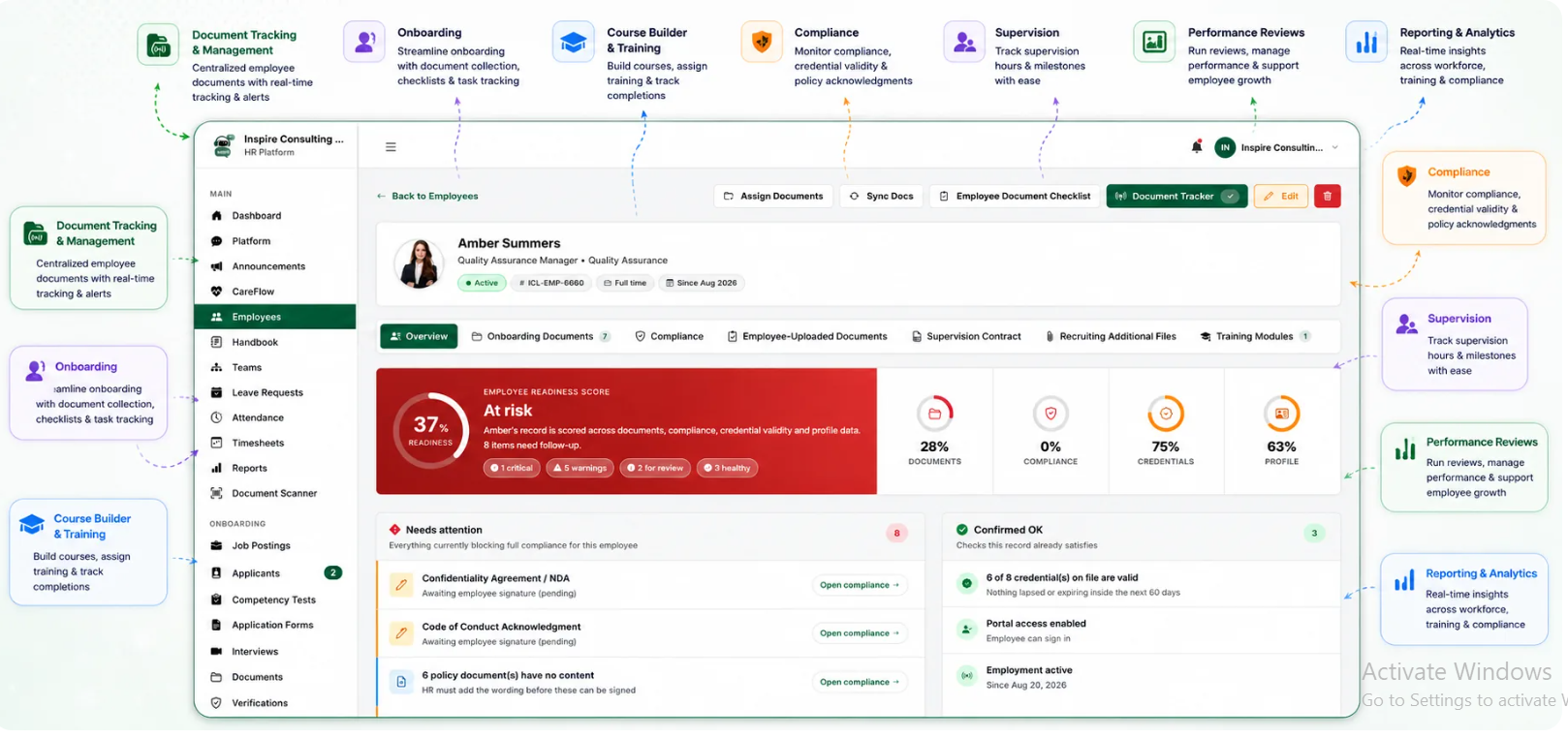
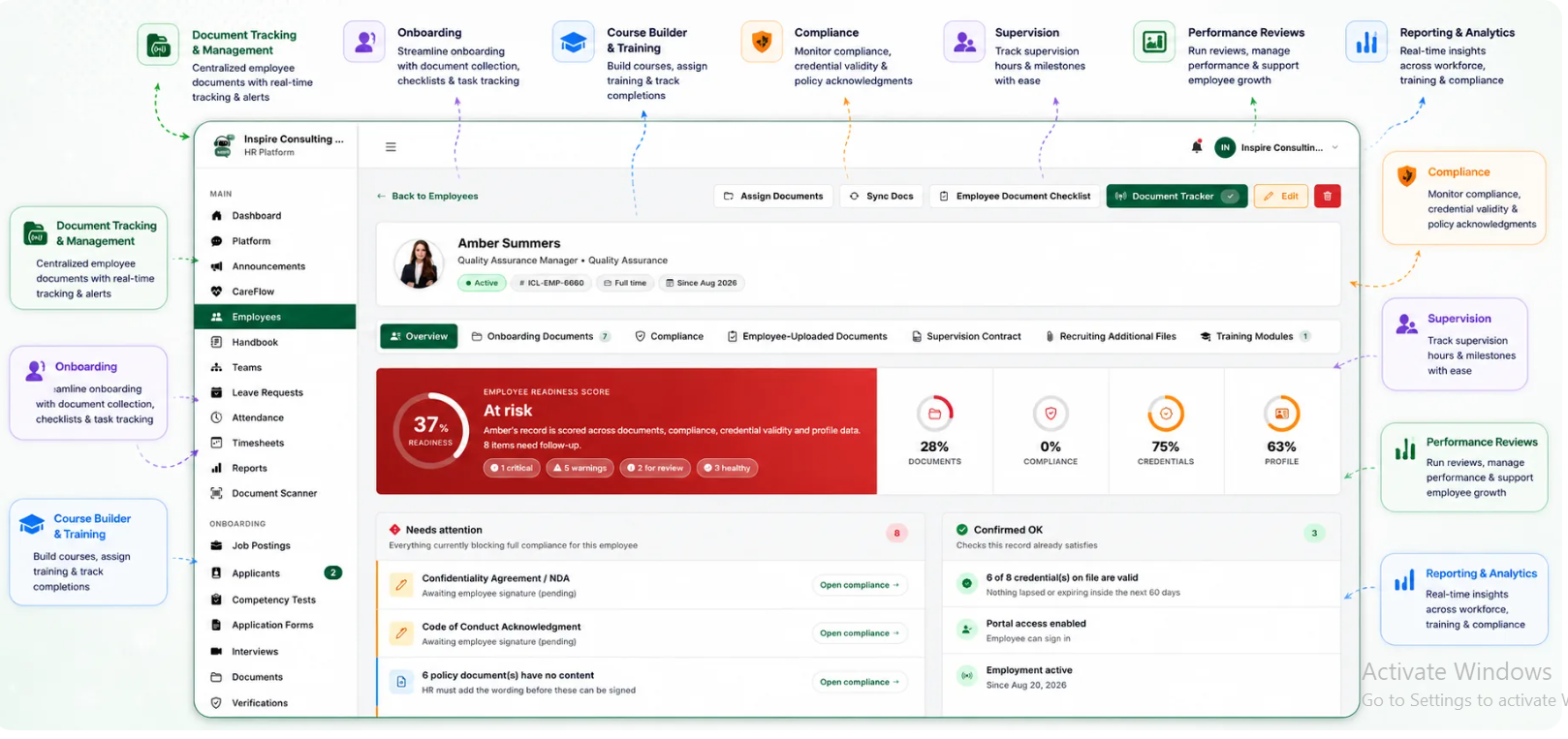
BUAMS HR helps behavioral health providers organize workforce data in a way that supports better planning decisions. By centralizing employee records, role information, onboarding progress, and compliance-related documentation, teams gain a clearer view of the staffing realities behind each program or site.
That visibility makes it easier to understand what roles are open, what readiness requirements apply, where process delays are forming, and how staffing changes affect the broader organization. Instead of relying on disconnected systems, HR and leadership can work from a more unified picture of workforce operations.
For growing providers, that structure supports smarter hiring conversations. BUAMS HR helps teams move from reactive staffing to a more planned approach that aligns headcount decisions with operational readiness and long-term workforce control.
Final Thoughts
Behavioral health workforce planning software helps organizations make staffing decisions earlier, with better context and fewer surprises. When hiring plans account for coverage needs, supervisor capacity, role requirements, and compliance workload, HR can support growth with more confidence.
For providers that want a more practical way to forecast hiring needs across programs and turn those plans into coordinated action, BUAMS HR offers a stronger foundation for workforce planning.