Same-day call-offs can put behavioral health providers in a difficult position fast. A single absence may affect client schedules, supervision coverage, medication support, transportation plans, or the ability to keep a program fully staffed for the shift. When coverage decisions depend on texts, inbox threads, and memory, HR teams often lose time confirming who is qualified, who is available, and what documentation needs to follow the change.
Call-off coverage software gives behavioral health organizations a more reliable way to coordinate unexpected absences without turning every staffing issue into a manual scramble. Instead of reacting one message at a time, teams can track the call-off, identify the right backup options, document approvals, and connect the change to the employee records and compliance details that matter.
Key Takeaways
What Is Call-Off Coverage Software?
Call-off coverage software is a structured system for managing unplanned absences and the steps required to fill affected work. In behavioral health settings, that often means more than replacing a shift. Teams may need to confirm supervision ratios, role-specific training, location eligibility, licensure status, overtime rules, and whether a backup employee already has competing assignments.
A practical workflow starts with the absence itself, but it should also support the downstream work. That includes documenting who reported the call-off, which supervisor was notified, what coverage options were reviewed, who approved the final assignment, and whether any follow-up action is needed. Without that structure, important details can disappear as teams rush to protect the day’s schedule.
For providers operating across multiple programs, call-off coverage software also creates a clearer record of recurring staffing pressure. That helps HR leaders distinguish isolated absences from larger workforce patterns that may require scheduling changes, recruiting action, or revised staffing plans.
Why It Matters for Behavioral Health Providers
Behavioral health organizations work in environments where role readiness and continuity of care matter. A same-day absence can quickly affect client access, staff safety, documentation quality, or the availability of required supervision. Even when a team finds coverage, the process can create overtime exposure, role mismatch risk, or inconsistent records if the decision is made informally.
That is why absence response should not live only in text chains or verbal updates. HR and operations leaders need a dependable way to see who was out, how coverage was handled, and whether the replacement staff member met the requirements for that assignment. Stronger tracking also supports after-action review. If the same sites or roles repeatedly struggle to fill last-minute gaps, leadership can address the underlying issue instead of reliving the same scramble every week.
Behavioral health providers also benefit from better documentation when coverage decisions affect regulated services, overnight shifts, medication support, transportation responsibilities, or clinical oversight. In those cases, the staffing decision itself may become part of the operational record that leaders need to review later.
What to Look For in Call-Off Coverage Software
Fast intake for unplanned absences
Staff should be able to report a call-off quickly, and supervisors should be able to log the issue without rebuilding the same information across multiple systems. Time matters when coverage is urgent.
Role and site eligibility visibility
The system should help teams identify backup staff based on the assignment requirements that matter, including program, location, role, shift, supervision needs, and current compliance status.
Clear approval and escalation steps
When coverage requires overtime, cross-site movement, temporary delegation, or supervisor review, the workflow should make those approvals visible instead of leaving them buried in messages.
Coverage decision history
HR leaders should be able to review how an absence was resolved, who accepted the replacement assignment, and whether the team had to make any exceptions. That history is useful for both accountability and process improvement.
Connection to employee records
Call-off coverage works better when staffing decisions are informed by current employee information. If role readiness, training status, or assignment eligibility lives somewhere else, managers may fill urgent gaps with incomplete data.
Reporting on recurring gaps
Strong call-off coverage software should reveal patterns over time, such as programs with repeated same-day absences, roles with thin backup depth, or supervisors who face the most last-minute disruption.
Common Gaps in Manual Call-Off Processes
Many organizations rely on ad hoc coverage methods because they feel flexible in the moment. The cost appears later, when no one has a clean record of what happened or why a decision was made. Common problems include:
These breakdowns slow response time and make it harder to improve staffing resilience over time.
How BUAMS HR Helps
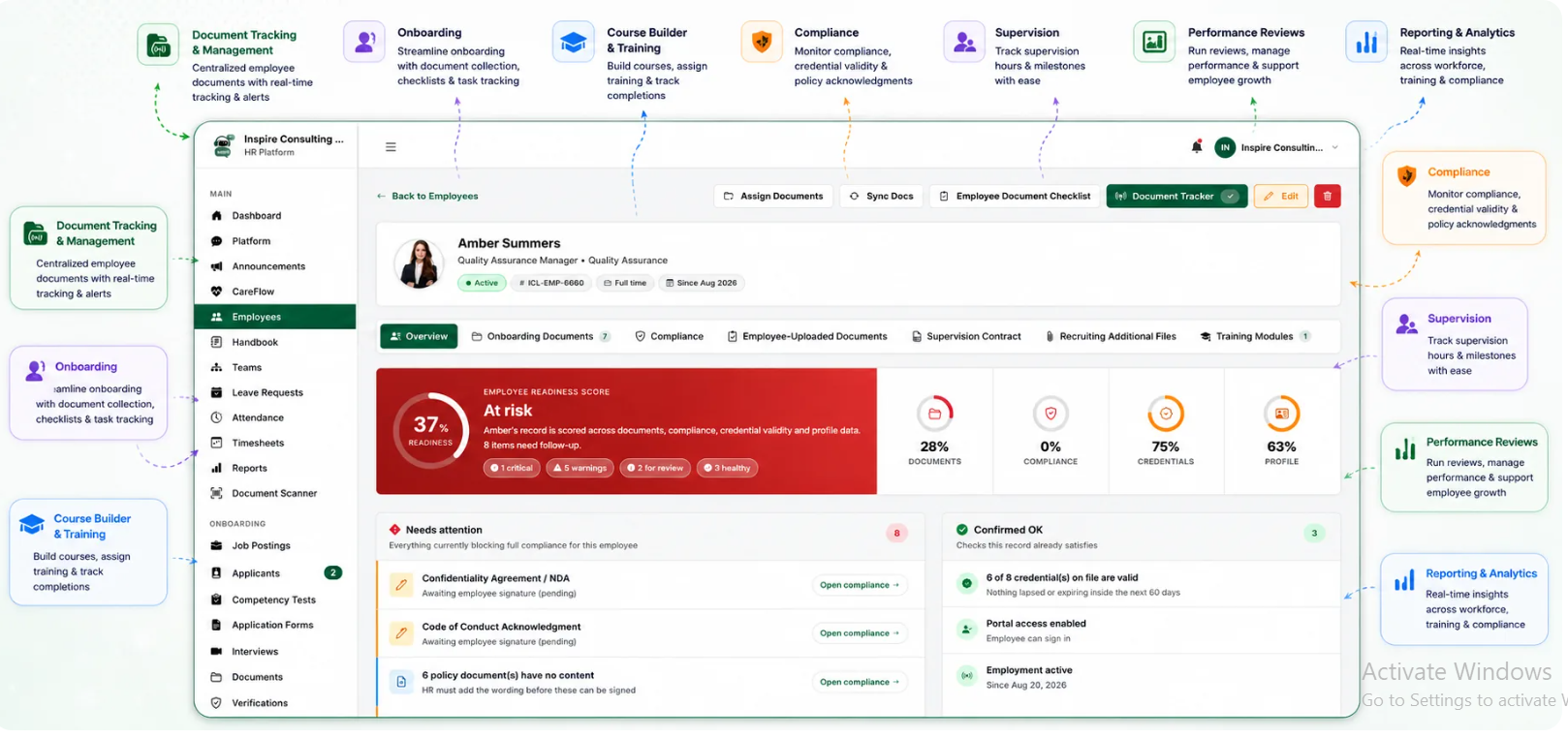
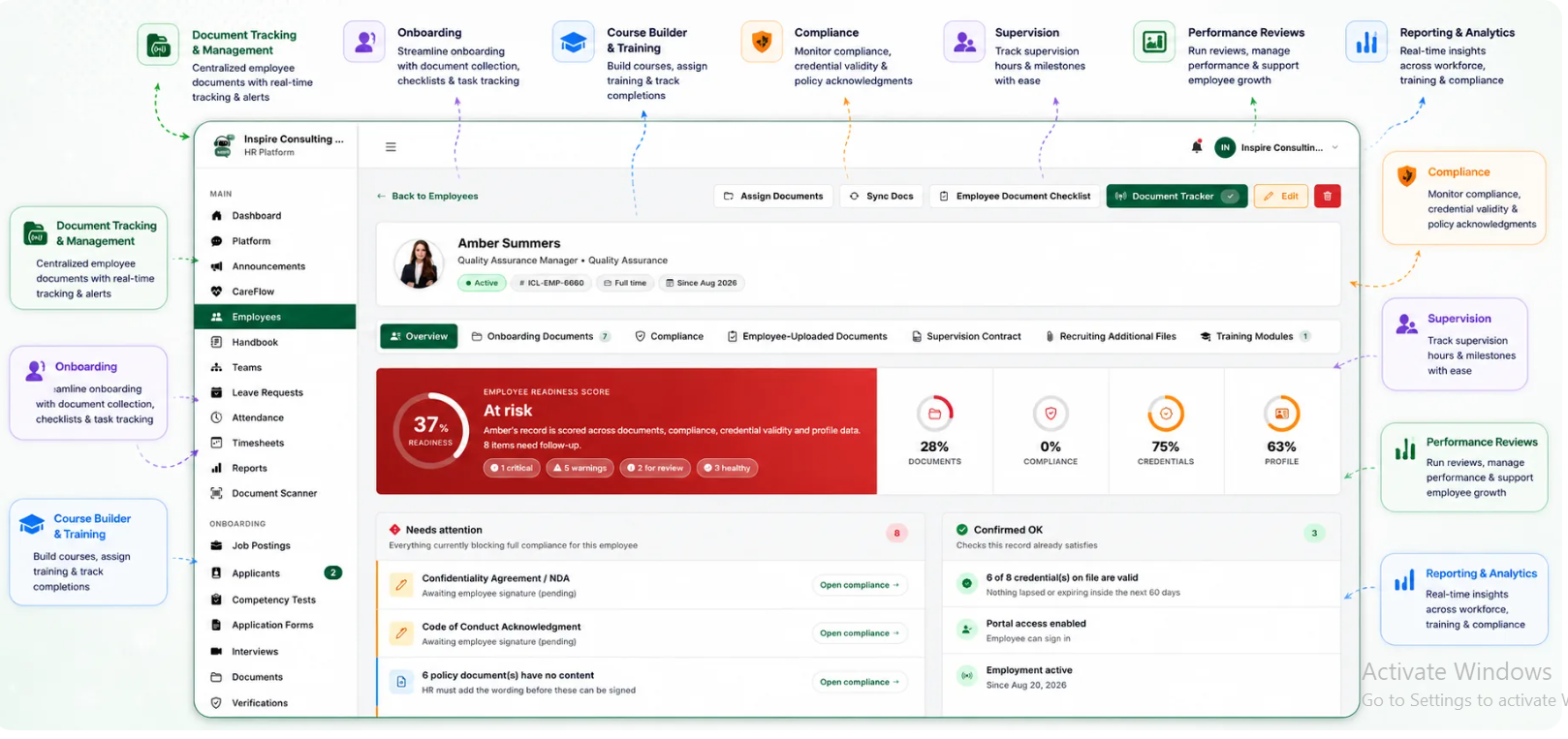
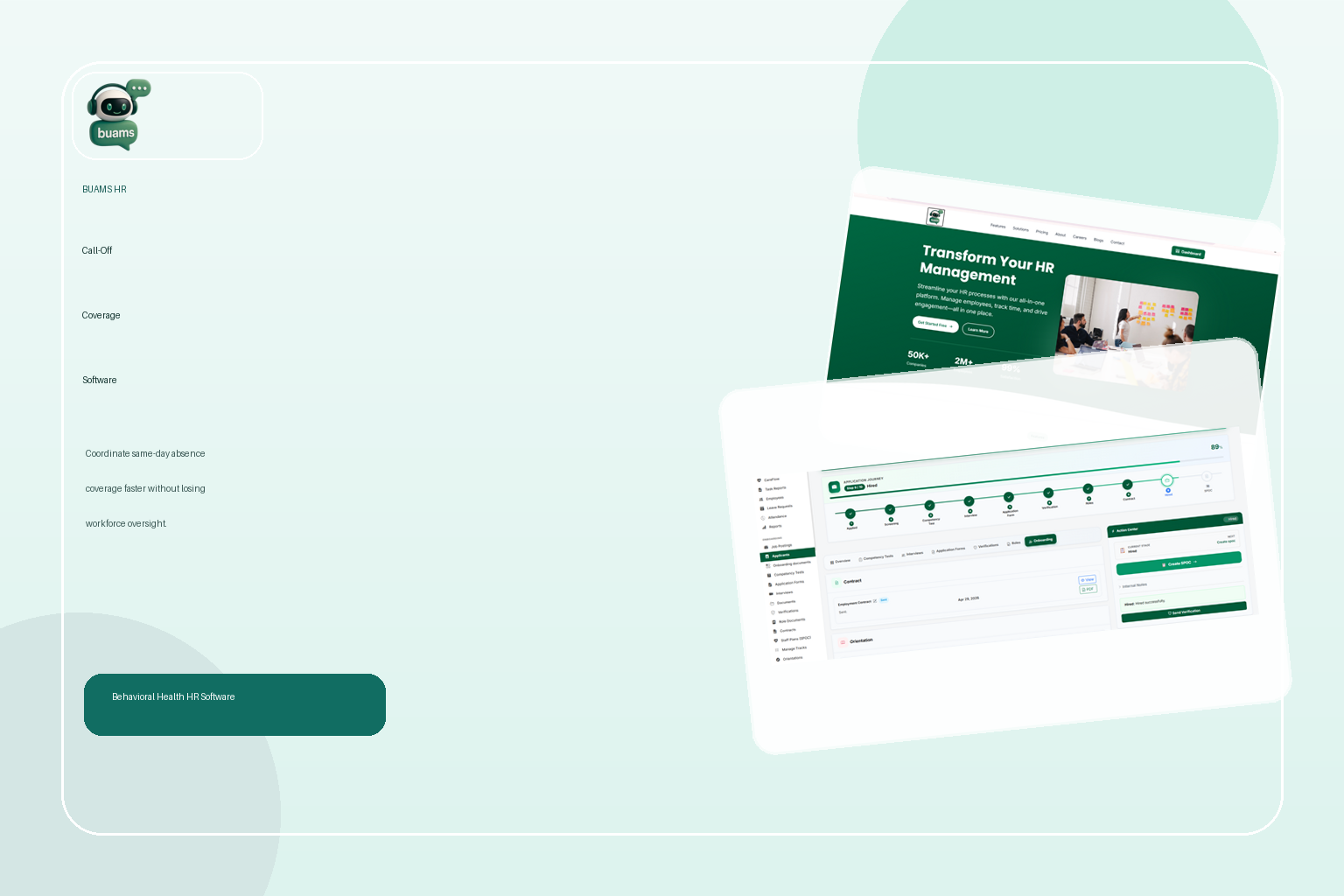
BUAMS HR can support a more organized call-off response process by giving behavioral health providers one place to manage workforce records, approvals, and staffing-related documentation. When a same-day absence happens, teams can work from current employee information instead of piecing together readiness details from separate files and messages.
That visibility helps HR and operations leaders coordinate backup assignments with better control. They can document the absence, track who reviewed coverage options, confirm the employee selected for the shift, and keep related workforce information easier to access. Instead of treating absence response as a disconnected fire drill, BUAMS HR supports a workflow that aligns urgent staffing action with broader HR oversight.
For growing providers, that connected approach also makes it easier to spot trends. If the same role, site, or program repeatedly creates same-day coverage stress, leaders can identify the pattern faster and respond with better hiring, scheduling, or readiness planning.
Implementation Tips for a Stronger Coverage Workflow
Final Thoughts
Call-off coverage software helps behavioral health providers respond to unexpected absences with more speed, consistency, and documentation control. When teams can connect same-day staffing decisions to employee readiness, approvals, and workforce records, they reduce confusion without sacrificing oversight. For organizations trying to protect client coverage and reduce daily staffing chaos, a centralized process is far more dependable than managing every absence through scattered messages alone.