Behavioral health providers often know exactly which documents they need to credential a new clinician, supervisor, or program-facing employee. The harder part is assembling those materials in a complete, review-ready packet before start dates slip or approvals stall. Applications may live in one system, licenses in another folder, trainings in email attachments, and supervisory approvals in separate messages. By the time HR, operations, or compliance realizes something is missing, the packet has to be reopened, chased down, and reviewed again.
Credential packet assembly software gives behavioral health organizations a more controlled way to gather, organize, and validate the full set of materials required before internal approval, payer enrollment support, program assignment, or audit review. Instead of treating packet prep like a manual scavenger hunt, teams can standardize what belongs in each packet, track missing items, and move submissions forward with fewer delays and fewer surprises.
Key Takeaways
What Is Credential Packet Assembly Software?
Credential packet assembly software is a workflow and document management solution used to prepare complete credentialing packets for review, approval, or submission. In behavioral health settings, that packet may include licensure evidence, degree verification, resumes, background screening results, training proof, supervision documentation, policy acknowledgments, immunization records, role-specific forms, and internal sign-offs.
The purpose is not just storing files. The software should help teams define what a complete packet looks like for each role, location, or program and then guide staff through collecting the right materials in the right order. That structure matters because packet assembly is often where credentialing work slows down. A missing attachment, expired document, or incomplete approval note can force the entire review process to restart.
For behavioral health providers hiring across multiple disciplines and programs, packet assembly is a readiness function. If the packet is incomplete, the employee may not be ready for assignment even if recruiting, onboarding, and scheduling are otherwise moving forward.
Why It Matters for Behavioral Health Providers
Behavioral health organizations manage a workforce with varied credentialing expectations. Licensed clinicians, supervisors, peer support staff, case managers, interns, and contracted providers may each require a different mix of documentation before they can begin work or move into a new assignment. The challenge grows when providers operate across multiple sites, service lines, or payer environments with different standards.
Without a clear assembly workflow, HR teams spend too much time asking whether the packet is really complete. One person may assume a license copy is enough, while another expects primary-source verification, signed job documents, and supervisor approval before moving forward. Those gaps create avoidable friction between HR, operations, credentialing, and compliance.
Credential packet assembly software helps behavioral health providers reduce that uncertainty. It creates a repeatable process for building review-ready packets, identifying missing items early, and making sure decision-makers see the same version of the record. That consistency can improve start-date confidence, reduce rework, and make audits easier to support later.
Common Problems With Manual Packet Assembly
Most packet delays are not caused by one major failure. They come from small disconnects that accumulate across several handoffs. Manual processes make those disconnects hard to spot until they affect a deadline.
These problems waste time, but they also create control issues. When packet assembly is inconsistent, organizations may struggle to prove that the right documents were collected before an employee was cleared for work, assigned to a site, or presented as fully ready.
What to Look For in Credential Packet Assembly Software
Role-based packet templates
Behavioral health providers need the ability to define different packet requirements for different job types, programs, and locations. A therapist packet should not look identical to a peer support or contractor packet. Role-based templates reduce guesswork and help teams collect the right materials from the start.
Live completeness tracking
Good software should show packet status in real time rather than forcing someone to compare a checklist against a folder manually. Teams should be able to see what is complete, what is missing, what is pending review, and what has been rejected or returned for correction.
Document version control
Packet assembly works best when there is one trusted version of each required file. The system should make it easy to replace outdated documents, preserve the latest approved version, and prevent old attachments from lingering in the review process.
Approval workflow visibility
Some packets are delayed because the documents are incomplete. Others are delayed because the review path is unclear. Strong credential packet assembly software should show who still needs to review the packet, what decision is pending, and whether approval depends on other items being completed first.
Connections to employee records
When packet materials are tied to the employee profile, HR teams do not have to re-upload or rediscover the same file every time the employee changes roles, transfers programs, or goes through a renewed review. That connection improves efficiency and helps maintain continuity over time.
Best Practices for Faster, Cleaner Packet Readiness
Software improves packet assembly most when the organization defines the operating rules behind it. Providers should be clear about which documents are mandatory, which can be conditional, and what evidence is required before a packet is considered complete enough to review.
These practices help behavioral health providers move away from reactive credentialing cleanup. A packet should be built with readiness in mind, not assembled hurriedly right before a deadline.
How BUAMS HR Helps
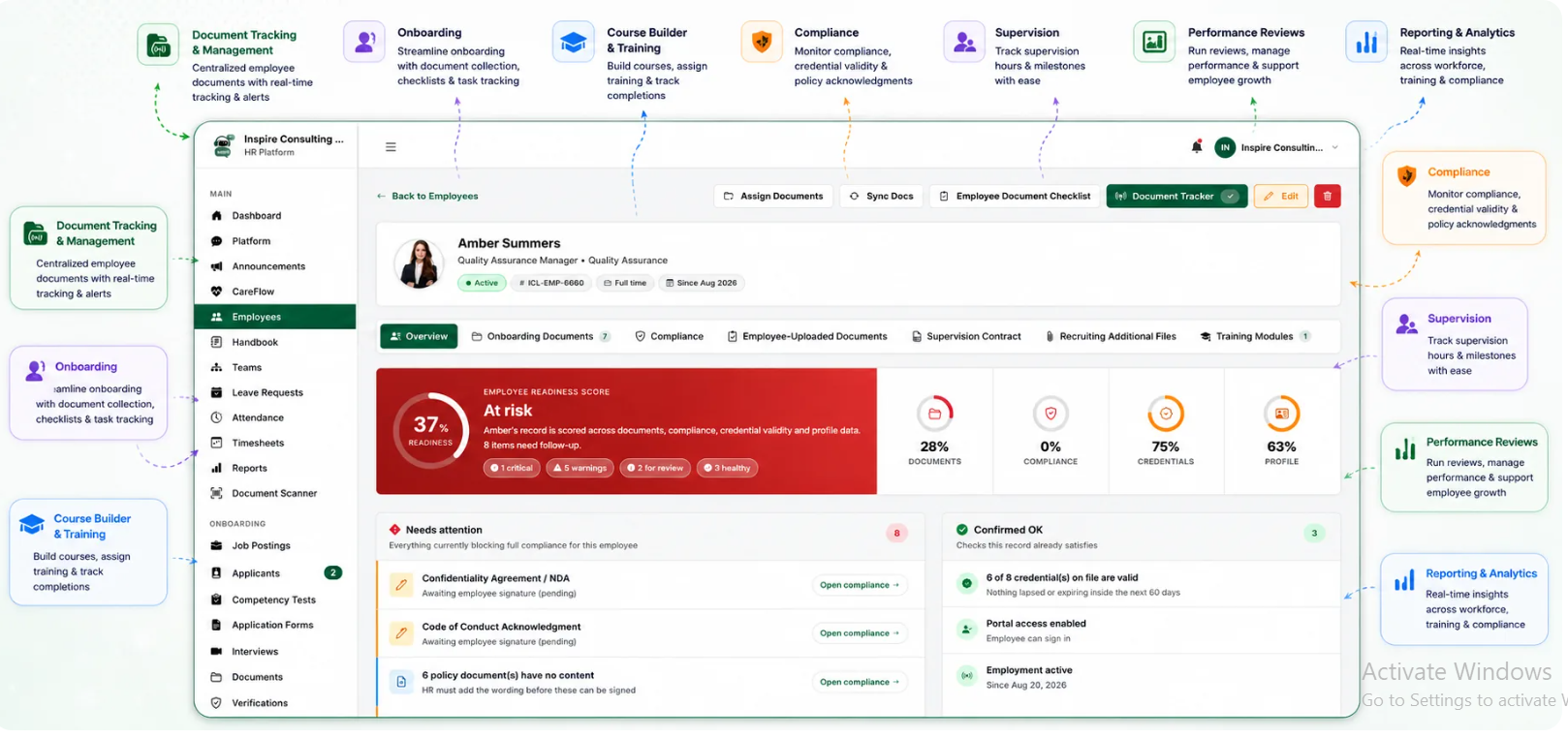
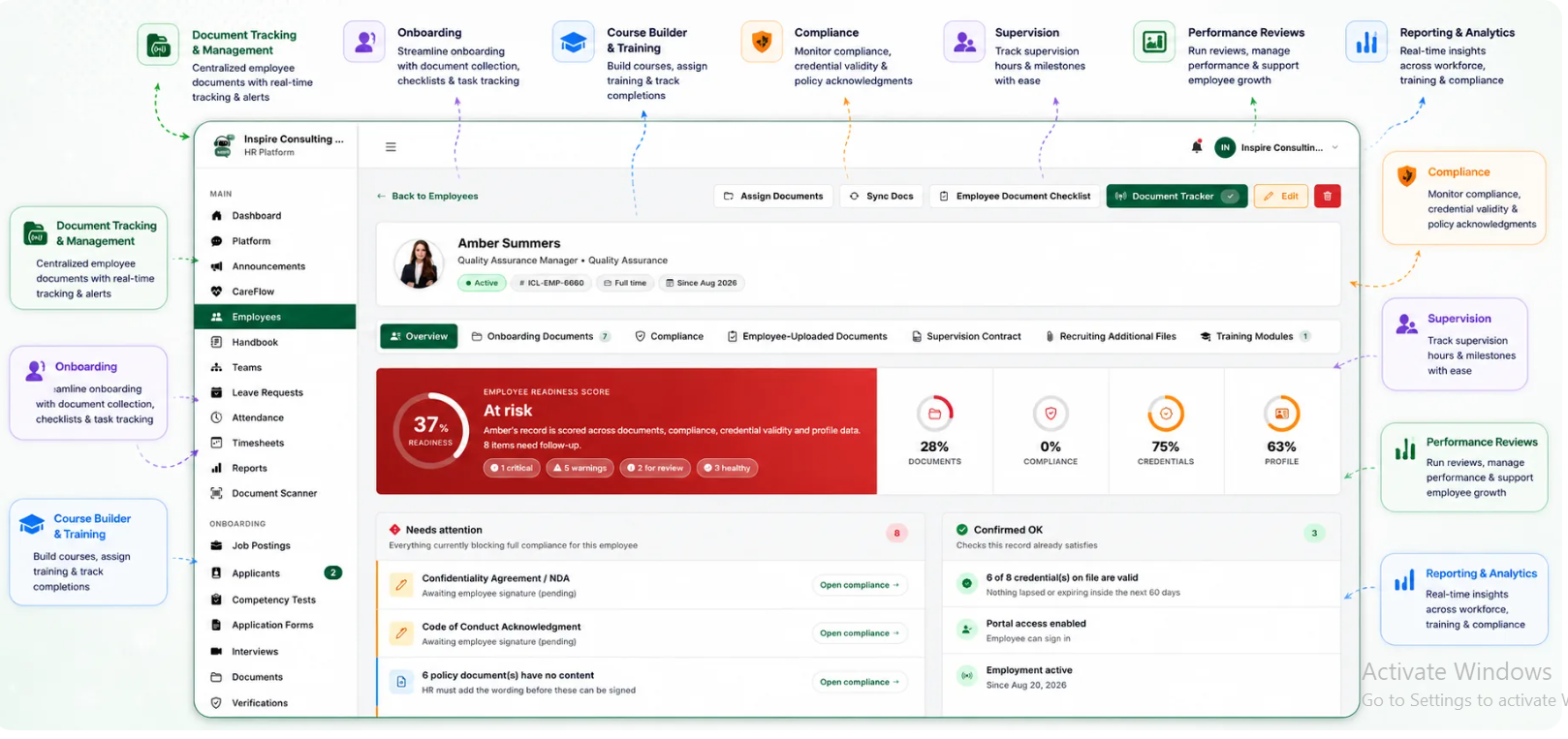
BUAMS HR helps behavioral health providers centralize employee records, role-specific documentation, and compliance-related workflows in one environment. That foundation makes credential packet assembly easier because the organization can collect and organize key files without relying on disconnected folders, inboxes, and spreadsheet trackers.
When HR teams need to confirm whether a packet is complete, they benefit from having employee information, document status, and related approvals connected to the same workflow. Instead of starting from scratch every time a packet is reviewed, providers can see what is already in place, what still needs action, and where the delay is occurring.
For growing organizations, that visibility matters. BUAMS HR supports a more repeatable process for preparing staff records, monitoring readiness, and reducing administrative rework across hiring, compliance, and workforce operations. The result is a cleaner path from document collection to approval-ready packet.
Final Thoughts
Credential packet assembly software helps behavioral health providers create a more reliable process for building complete, review-ready documentation before delays spread into staffing, compliance, or operational readiness. When packet expectations are standardized and progress is visible, teams can move faster without sacrificing control.
For organizations that want fewer approval bottlenecks, cleaner credentialing records, and stronger confidence that staff are truly ready before assignment, a structured packet assembly workflow is worth the investment.