Behavioral health providers cannot afford preventable staffing delays when a clinician, case manager, peer support specialist, or support employee is already scheduled to serve clients. Employment authorization follow-up is one of those HR tasks that looks small until it becomes urgent. If a reverification deadline is missed, leaders may have to pause assignments, rework schedules, chase documents, and explain why a known deadline was managed with emails and spreadsheets instead of a reliable process. Employment eligibility reverification software gives HR teams a practical way to track expiring work authorization, organize supporting records, and keep supervisors informed before a staffing problem reaches the program floor.
For behavioral health organizations, the issue is bigger than document storage. HR teams are balancing start dates, site coverage, credentialing, supervision, and compliance obligations at the same time. A reverification process that depends on memory or disconnected reminders creates risk across the entire workforce. The right system helps organizations act early, document consistently, and reduce last-minute scrambles that interrupt care operations.
Key Takeaways
What employment eligibility reverification software solves
Reverification work becomes risky when HR teams rely on calendar notes, inbox flags, or one person remembering which employees need updated documentation. In a growing behavioral health organization, that approach breaks quickly. Staff may work across multiple locations, move between roles, or change supervisors while the reverification deadline stays attached to a paper copy or a spreadsheet column that is easy to miss.
Employment eligibility reverification software creates a central workflow for tracking upcoming deadlines, collecting updated documentation, recording completion steps, and preserving a clean audit trail inside the employee record. Instead of waiting until an authorization is about to expire, HR can see what is coming, prioritize follow-up, and make sure the organization is prepared well before coverage decisions are affected.
Why behavioral health providers feel the risk first
Behavioral health employers often run lean teams, hard-to-fill roles, and tightly coordinated schedules. A missed reverification deadline can affect much more than an individual file. It can disrupt client continuity, create overtime pressure for other employees, and force supervisors to make fast staffing changes under stress.
That is why reverification is not just an administrative obligation. It is a workforce readiness issue. When the process is well managed, programs avoid preventable coverage disruption. When it is unmanaged, the operational cost shows up immediately.
What to look for in employment eligibility reverification software
Deadline tracking tied to the employee record
The best systems connect each reverification date directly to the employee profile and supporting documents. HR should not need to maintain one file in a storage folder and another reminder in a separate spreadsheet. A unified record makes it easier to see who needs action, what was collected, and whether the follow-up is complete.
Early reminders instead of last-day alerts
Good software supports staged reminders that begin well before the deadline. That gives HR time to contact the employee, clarify missing items, and escalate when follow-up stalls. For behavioral health organizations, earlier visibility matters because staffing plans often need lead time if a role becomes unavailable.
Task ownership and escalation
Reverification work usually involves more than one person. HR may own the document review, while supervisors need to know whether assignments are at risk and leaders may need escalation if deadlines are approaching without resolution. A better system assigns responsibility clearly so nothing sits in an inbox with no owner.
Document organization that supports audits
Collecting an updated file is only part of the job. The organization also needs a defensible record of what was received, when it was reviewed, and where it is stored. Software should make it easy to attach the relevant documents to the employee file, preserve status history, and retrieve the record quickly during an internal review or external audit.
Workforce visibility across locations and programs
Behavioral health providers often manage employees across outpatient, community, school-based, residential, or crisis programs. HR needs to see reverification risk across the whole workforce, not one location at a time. Dashboards and filtered views help teams spot clusters of upcoming deadlines before they become a larger staffing issue.
Best practices for a stronger reverification workflow
Technology works best when the process around it is clear. Behavioral health organizations should define when reminders begin, who follows up with the employee, when supervisors are notified, and what happens if required documentation is still missing close to the deadline. A documented workflow reduces confusion and helps every site follow the same standard.
It also helps to group reverification into a broader readiness model. If HR is already tracking licenses, certifications, health requirements, training, and supervision conditions, employment eligibility should be monitored in the same operational rhythm. That gives leaders a more complete picture of assignment readiness and keeps one deadline from being managed in isolation.
How BUAMS HR helps behavioral health teams stay ahead
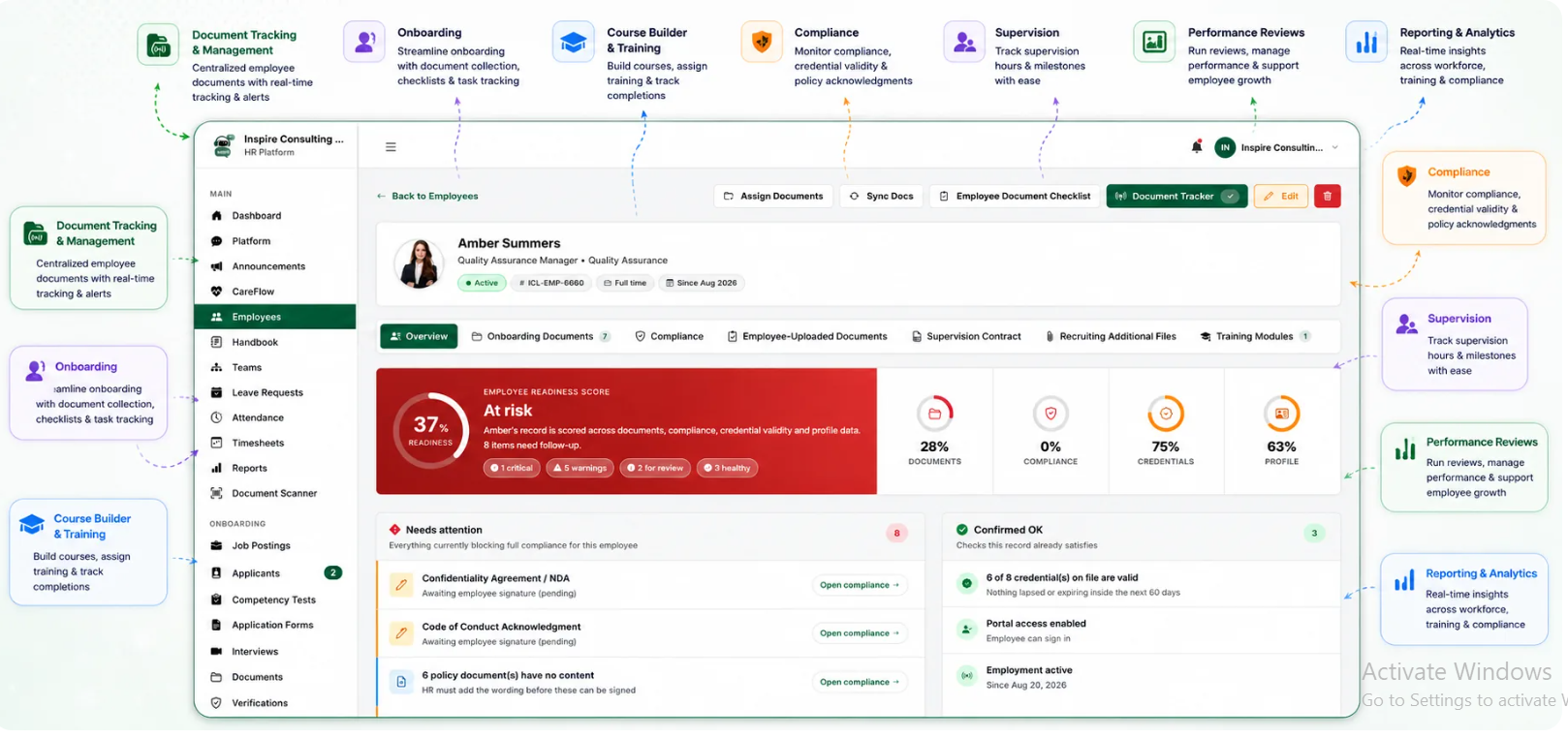
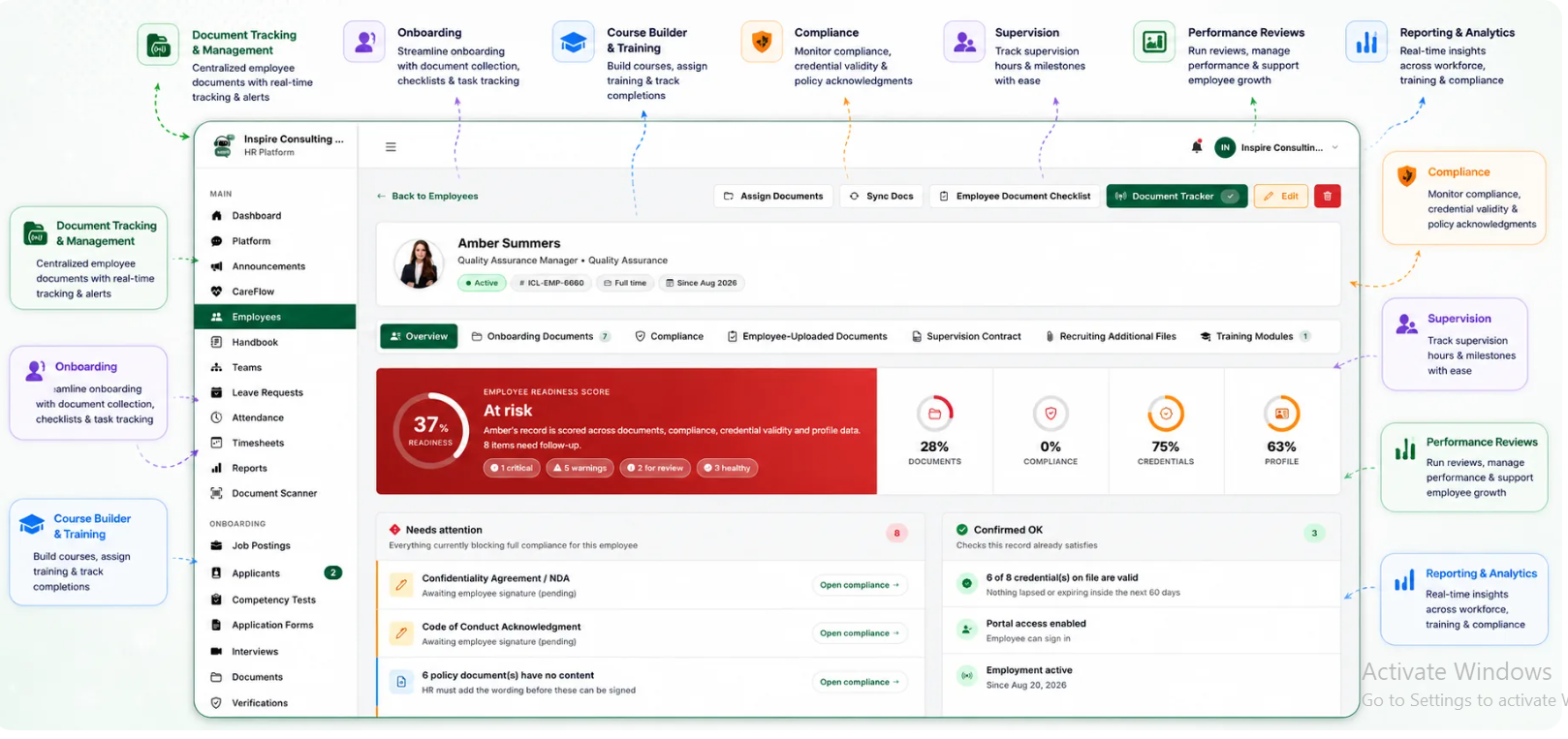
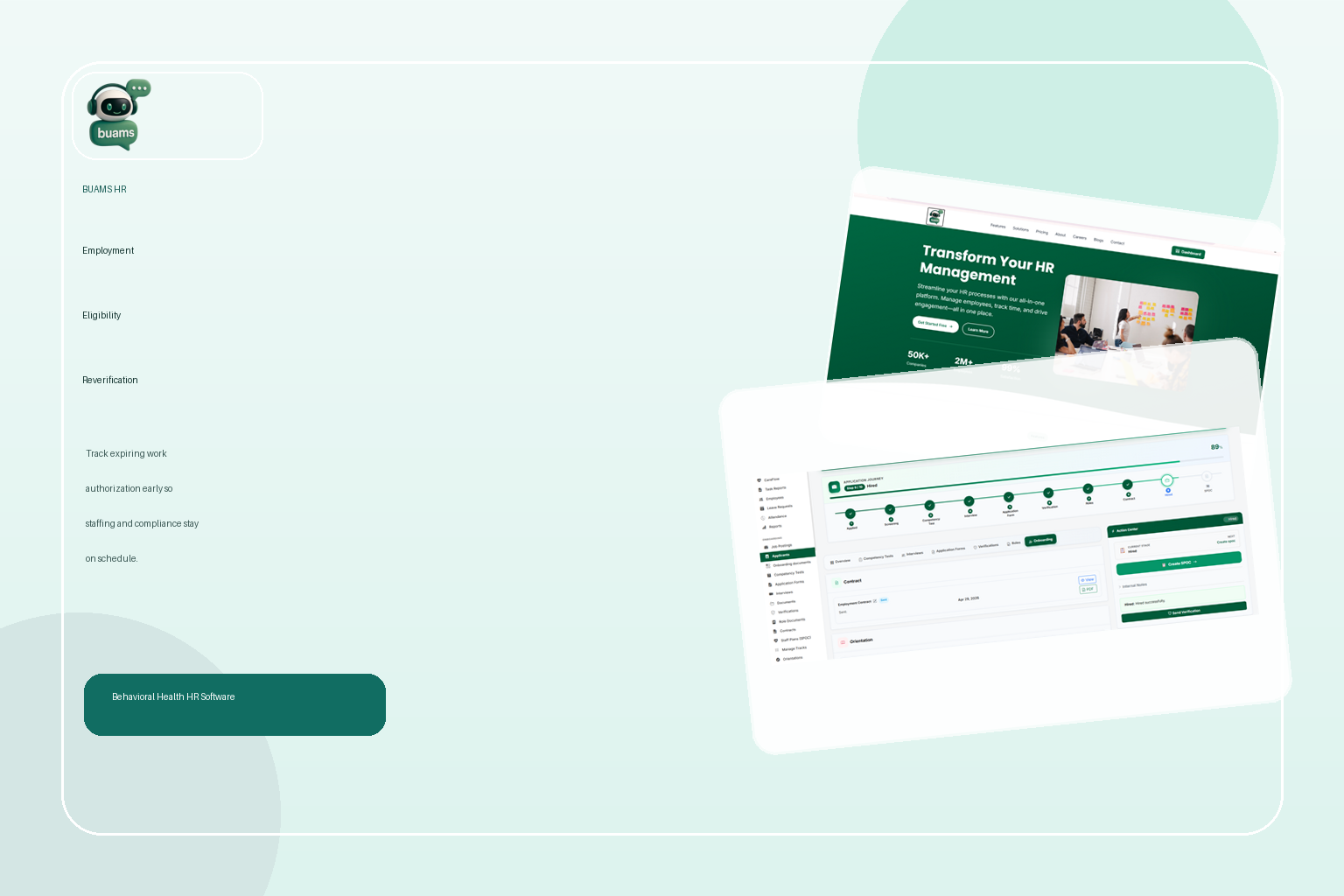
BUAMS HR helps behavioral health organizations bring reverification work into the same environment they already use for employee records, onboarding, compliance tracking, and workforce oversight. Instead of treating employment eligibility follow-up as a separate manual task, teams can manage it as part of a broader HR readiness workflow.
With BUAMS HR, organizations can maintain centralized employee files, track date-based requirements, standardize follow-up steps, and keep supporting records accessible for audits and internal review. HR leaders gain a clearer view of which employees need action soon, while supervisors and operations leaders benefit from fewer surprises that affect schedules and staffing plans.
Final Thoughts
Employment eligibility reverification software is valuable because it turns a high-risk manual deadline into a controlled, visible workflow. For behavioral health providers, that means fewer preventable coverage problems, better file integrity, and less stress on HR teams that are already balancing many urgent priorities. A system like BUAMS HR helps organizations move from reactive document chasing to proactive workforce readiness, which is exactly where compliance and operations should meet.