Behavioral health organizations often rely on float staff to stabilize schedules, fill open shifts, and support multiple programs without overhiring. That flexibility helps coverage, but it also creates HR risk. When employees move between outpatient clinics, community-based programs, crisis services, and residential settings, the requirements attached to each assignment can change fast. A team may need different clearances, training records, supervision arrangements, or role-based documentation depending on where the employee is working.
Without a consistent system, HR ends up managing float coverage through email threads, spreadsheets, and last-minute checks. That makes it easier to assign a qualified employee to the wrong program, overlook a missing document, or discover a compliance gap after the schedule is already built. Float pool compliance software gives behavioral health providers a better way to connect assignment decisions with workforce readiness.
Key Takeaways
What Is Float Pool Compliance Software?
Float pool compliance software helps HR teams manage employees who work across multiple sites, services, or departments. Instead of treating staff as generically available, the software makes assignment readiness visible. HR and operations leaders can see whether an employee is cleared for a particular location, population, shift type, or service line before coverage is finalized.
For behavioral health providers, that matters because program requirements are rarely identical. A float employee may be fully ready for one outpatient program but still need site-specific orientation, updated training, a supervising clinician assignment, or a renewed document before covering another setting. Good software makes those differences easy to track without turning every staffing change into a manual audit exercise.
Why Float Coverage Creates Hidden HR Risk
Float models are designed for flexibility, but flexibility can hide process breakdowns. When staffing decisions move quickly, teams may focus on filling the shift first and checking HR readiness second. That sequence creates avoidable risk, especially in organizations that operate across multiple programs with different staffing rules.
Common problems include assigning an employee to a site where their required training is incomplete, overlooking expiring credentials, missing documentation tied to a new population or level of care, or failing to update the right supervisor relationship for oversight and sign-off. In Maryland and DC behavioral health settings, providers also need confidence that staff records stay organized and review ready when accreditors, payers, or internal leaders request proof.
These issues do not always look dramatic at first. Sometimes they show up as a delayed start to coverage, a scramble before an internal review, or repeated back-and-forth between HR and site leaders. Over time, though, small assignment errors create larger problems: inconsistent workforce records, unnecessary exposure during audits, and less trust in the staffing process itself.
What to Track Before Assigning Float Staff
Behavioral health HR teams need a practical checklist for each float assignment. The goal is not to create bureaucracy. The goal is to make sure the employee is truly ready for the assignment being requested.
Role and site eligibility
The first question is whether the employee is approved to work in that specific program, location, or service environment. Some assignments require site orientation, population-specific preparation, or documented experience that does not apply elsewhere.
Credential and document status
Licenses, certifications, health records, acknowledgments, and role-based forms should be current before the assignment goes live. Even when a document exists in the employee file, HR needs to know whether it still meets the requirements of the receiving site.
Training alignment
Float staff may need different training depending on the services they will support. That can include safety training, crisis response preparation, documentation workflows, or other site-specific readiness steps. A coverage request should not bypass those checks.
Supervisor and oversight structure
When employees move between programs, supervision arrangements can become unclear. HR should be able to confirm who is responsible for oversight, review, and follow-up for the assignment period so accountability stays intact.
Assignment history and exceptions
Organizations also benefit from seeing prior approvals, denied requests, and one-off exceptions. That history helps leaders spot recurring friction points, such as one site frequently requesting staff who are not yet cleared for the work.
Best Practices for Managing Float Pool Compliance
The strongest approach is to build compliance checks into the staffing workflow instead of running them after a schedule is already committed. That usually starts with standardized assignment criteria. If every site defines readiness differently, HR will spend too much time interpreting rules and cleaning up mistakes.
It also helps to centralize employee records so the same team is not checking multiple folders, inboxes, and spreadsheets to confirm one staffing decision. A single system should show what is complete, what is expiring, and what is missing. From there, organizations can use alerts, status views, and structured approvals to keep requests moving without sacrificing control.
Another best practice is to separate true exceptions from routine coverage. If an organization occasionally makes time-limited exceptions, those should be documented with clear approval and follow-up requirements. That keeps temporary workarounds from becoming invisible normal practice.
How BUAMS HR Helps Behavioral Health Providers Stay Flexible and Audit Ready
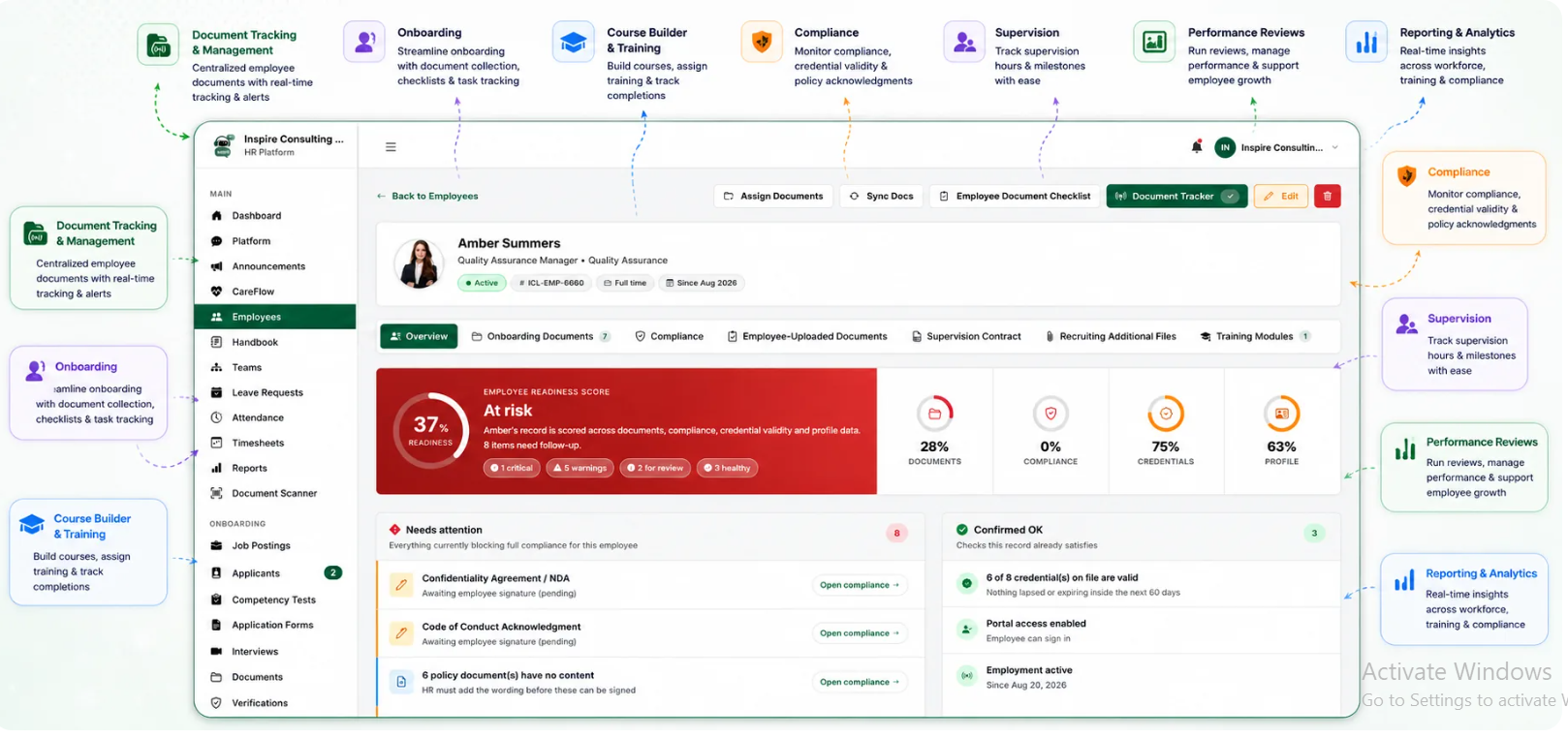
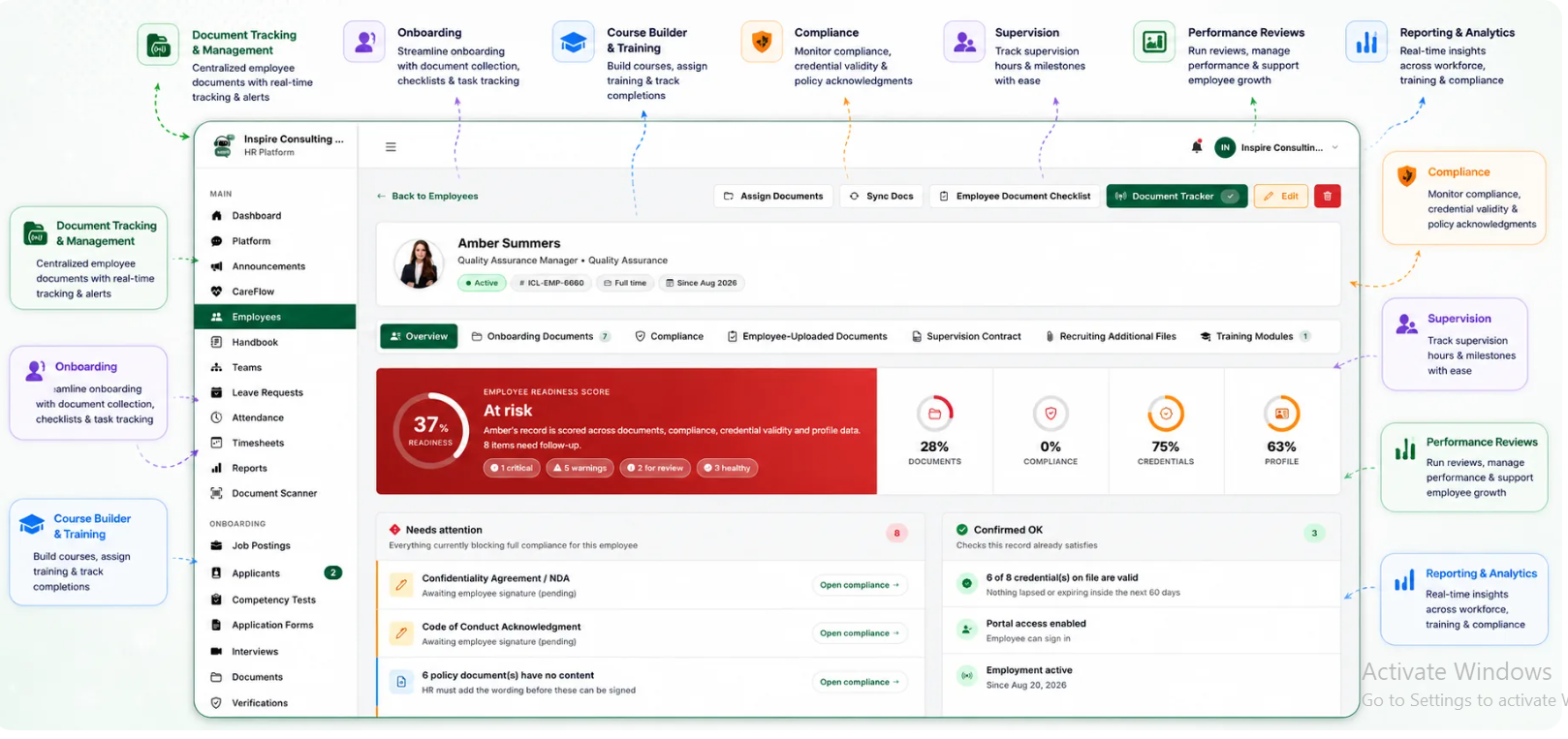
BUAMS HR gives behavioral health organizations a more controlled way to manage employee readiness across changing assignments. HR teams can keep workforce records, training status, compliance requirements, and supporting documents in one place instead of chasing updates across disconnected tools.
For float pool management, that means leaders can review whether an employee is ready for a requested assignment before the request creates downstream risk. Teams can monitor expiring requirements, keep digital employee files organized, and maintain a clearer record of who was approved for what and when. The result is a staffing process that supports coverage without giving up visibility.
BUAMS HR is especially useful for providers balancing multiple sites, different program types, and ongoing regulatory pressure. When staffing models become more dynamic, HR operations need stronger structure, not more manual follow-up. A system that connects assignment decisions with compliance readiness helps reduce preventable surprises.
Final Thoughts
Float coverage can be a major operational advantage for behavioral health providers, but only when HR controls keep pace with scheduling reality. If staff can move between programs faster than readiness can be verified, assignment mistakes become more likely and documentation quality starts to slip.
Float pool compliance software helps organizations stay flexible without losing discipline. By linking site eligibility, training, credentials, employee files, and oversight details in one workflow, behavioral health providers can protect coverage, reduce HR friction, and stay better prepared for audits and internal review.