Behavioral health organizations rely on approvals for far more than hiring offers. Employee file changes, job description updates, supervisor assignments, leave requests, training exceptions, policy acknowledgments, and document reviews all depend on someone signing off at the right time. When those approvals are spread across inboxes, texts, spreadsheets, and hallway conversations, teams lose visibility into what is waiting, who owns the next step, and which requests are putting compliance at risk.
HR approval workflow software gives behavioral health providers a structured way to move these decisions through a repeatable process. Instead of chasing status updates manually, HR teams can route requests, document approvals, monitor delays, and keep the employee record aligned with what was actually approved. That is especially useful in mental and behavioral health settings where workforce changes often affect documentation, supervision, and readiness at the same time.
Key Takeaways
What Is HR Approval Workflow Software?
HR approval workflow software is a system that routes requests through defined review steps so the right people can approve, reject, or return them with clear documentation. In a behavioral health organization, that may include offer approvals, status changes, employee file corrections, policy exceptions, supervision changes, location transfers, training completions, and role-based document reviews.
The value is not just replacing email. It is creating a visible approval path that shows current status, assigned reviewers, required documents, due dates, and completion history. That structure helps teams work faster while keeping a clearer record of how decisions were made.
Why Approval Delays Create Operational Risk
Approval bottlenecks rarely stay contained to one department. A delayed offer approval can slow down hiring. A pending file update can leave HR, compliance, and supervisors working from different information. A missed sign-off on a job change can affect access, onboarding tasks, or training requirements. In behavioral health environments, even small delays can ripple into staffing gaps, documentation errors, and confusion about who is cleared for what.
Many providers also manage multiple programs, service lines, and sites, which means approval paths are often more complex than they appear. One request may need input from HR, program leadership, compliance, and operations. Without a structured system, the request can stall simply because nobody has a shared view of what is waiting and why.
Common Problems with Manual Approval Processes
Requests Disappear Into Email Chains
Email feels easy at first, but it becomes hard to see whether a request is still pending, already approved, or missing a required attachment. Teams waste time searching for the latest version instead of completing the work.
Ownership Is Unclear
Manual processes often depend on assumptions. HR may think a supervisor is reviewing the request while the supervisor assumes compliance still needs to weigh in. That kind of ambiguity slows everything down.
Supporting Documents Are Not Attached in One Place
Approvals are stronger when the request, the evidence, and the final decision stay together. When attachments live in different inboxes or folders, teams struggle to verify what was actually reviewed.
There Is No Reliable Audit Trail
If leaders need to confirm who approved a change and when it happened, manual processes often leave an incomplete record. That is a problem for internal accountability and external reviews.
What to Look for in HR Approval Workflow Software
Configurable Approval Paths
Not every request needs the same chain. Behavioral health organizations should be able to create different workflows for hiring approvals, employee changes, policy sign-offs, and compliance-related exceptions.
Deadline and Escalation Visibility
Approvals move faster when overdue items are easy to spot. Software should show pending requests, aging items, and escalation paths so teams can intervene before delays affect staffing or compliance.
Document-Linked Requests
The request should stay connected to the supporting forms, acknowledgments, or proof being reviewed. That reduces rework and gives decision-makers more confidence that they are approving complete information.
Status Tracking for HR and Leadership
HR leaders need a clear view of what is approved, what is blocked, and what is still waiting. Better status visibility reduces follow-up friction and supports faster decisions across departments.
Connection to Employee Records
Once a request is approved, the employee file should reflect that change in a structured way. Approvals create value when they lead to updated records, not when they remain isolated in a separate tracker.
Best Practices for Cleaner Approval Operations
How BUAMS HR Helps
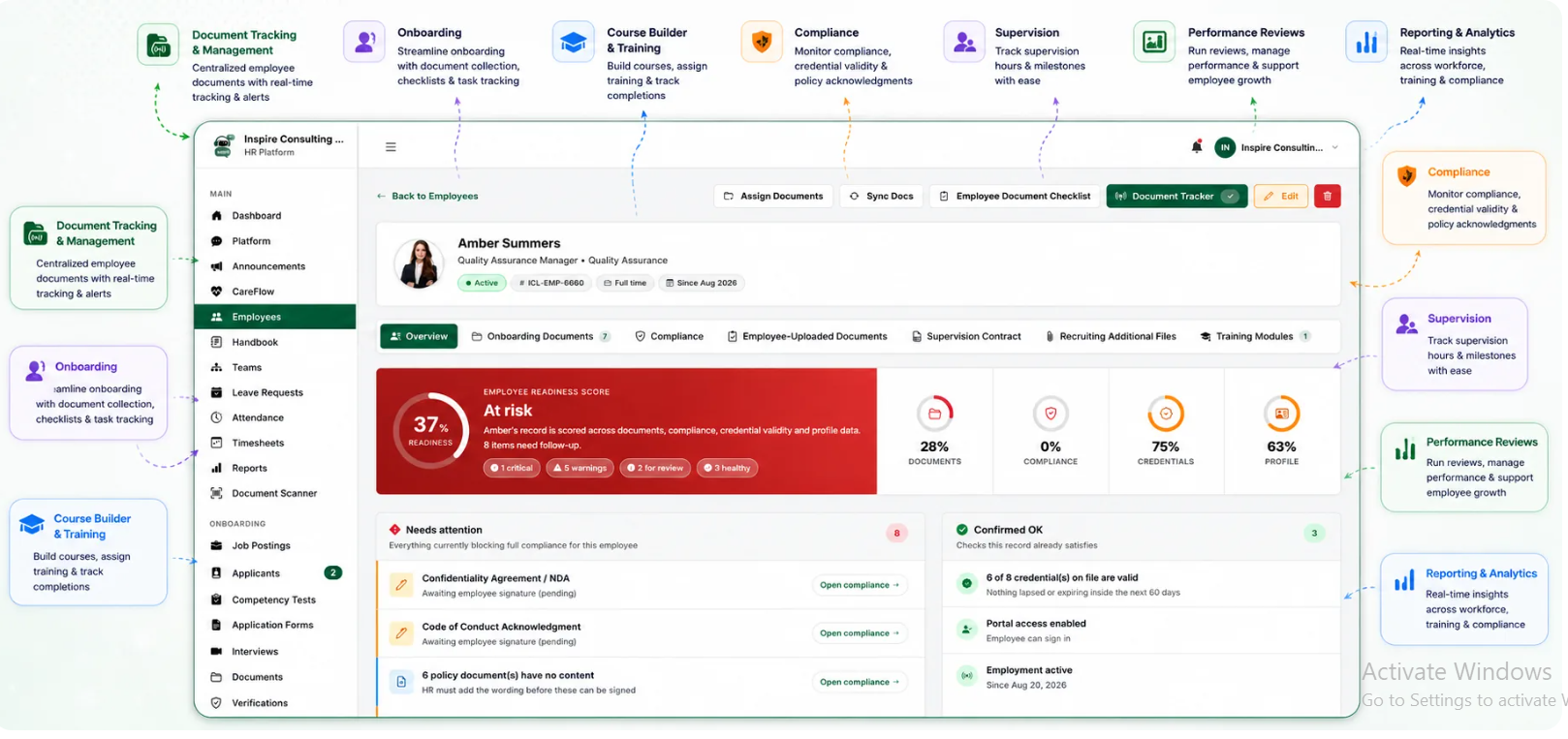
BUAMS HR helps behavioral health providers organize workforce operations in one system, making approval workflows easier to manage alongside employee records, onboarding steps, and compliance-related documentation. Instead of routing critical requests through disconnected inboxes, teams can work from a more structured process that keeps decisions visible and records easier to follow.
That matters when approvals affect hiring timelines, employee file updates, supervision assignments, or readiness-related documents. Better workflow visibility helps HR teams see what is waiting, which approvals are late, and what has already been completed. For organizations managing multiple locations or staff types, that consistency reduces avoidable delays and makes coordination easier.
Because BUAMS HR is designed around behavioral health workforce operations, it supports providers that need practical control over approvals without adding more administrative sprawl. A cleaner approval workflow helps teams move faster while keeping the record stronger.
Final Thoughts
HR approval workflow software is valuable because it turns scattered internal sign-offs into a repeatable operational process. Behavioral health providers need more than email reminders and informal follow-up. They need a clear way to move requests forward, document decisions, and keep workforce records aligned with those decisions.
When approval workflows are visible and consistent, hiring moves faster, file changes are easier to trust, and compliance-related requests are less likely to stall. That gives HR teams a stronger foundation for everyday execution and fewer surprises when deadlines matter most.