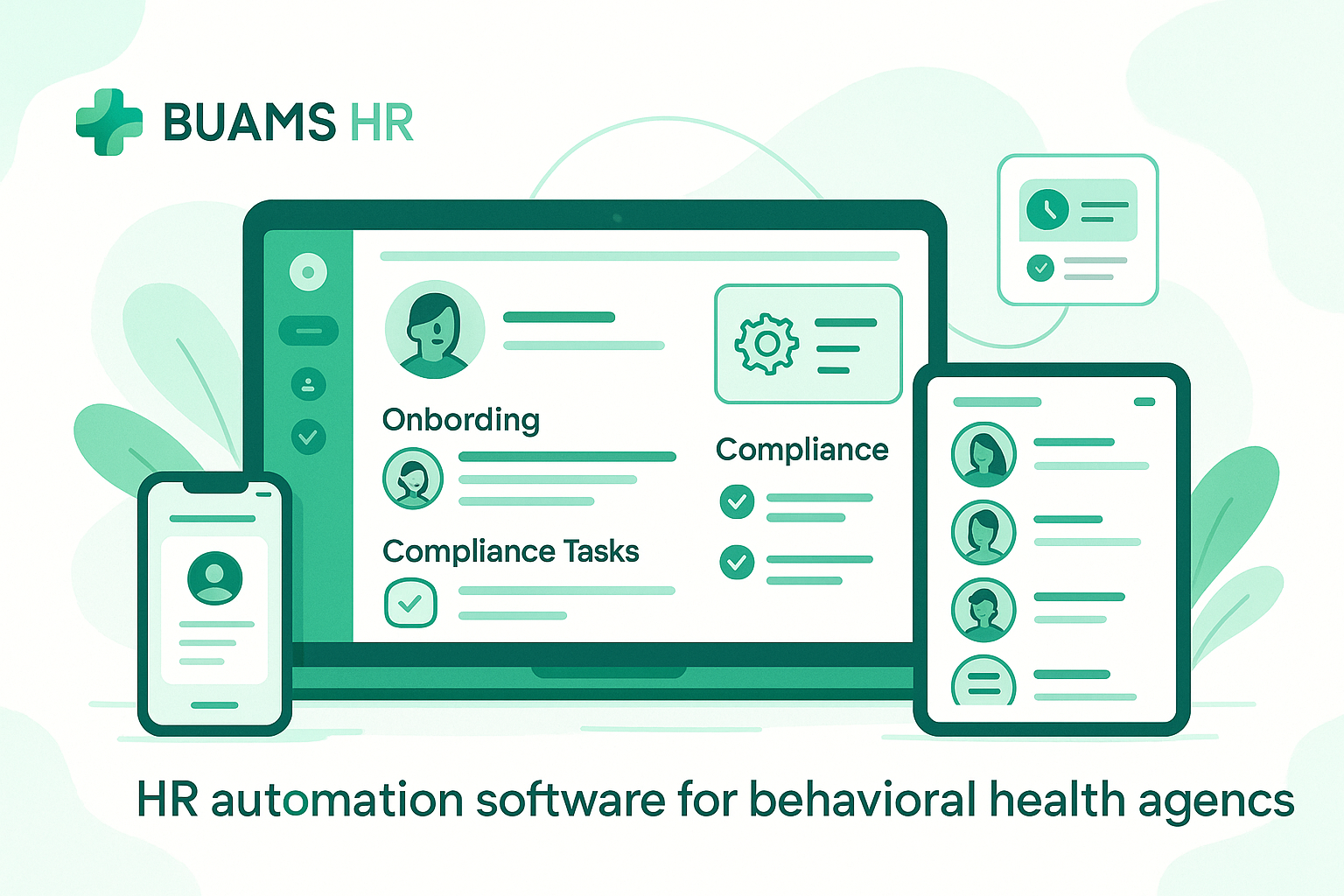
Behavioral health organizations depend on consistent staffing, clear documentation, and dependable follow-through across the employee lifecycle. When HR work is spread across spreadsheets, inboxes, paper files, and disconnected reminders, small delays turn into bigger operational risks. A missed document, overdue policy acknowledgment, or forgotten supervision task can create unnecessary stress for HR teams and frontline leaders.
HR automation software helps behavioral health agencies reduce that friction. Instead of relying on manual tracking, teams can standardize onboarding steps, organize employee files, monitor compliance milestones, and create more accountability around recurring HR tasks. For organizations trying to improve retention while staying audit ready, that shift matters.
What Is HR Automation Software?
HR automation software is a system that reduces repetitive administrative work by turning common HR tasks into structured, trackable workflows. In behavioral health settings, that can include collecting hiring documents, assigning onboarding checklists, tracking licenses or certifications, storing employee records, and monitoring required acknowledgments or supervision-related steps.
Instead of depending on one person to remember every deadline or send every reminder manually, the software creates a repeatable process. That is especially helpful in growing agencies where HR teams support multiple programs, locations, or job roles with different requirements.
Why It Matters for Behavioral Health Agencies
Behavioral health providers often manage high staff movement, strict documentation expectations, and role-specific compliance requirements. HR teams may be supporting therapists, direct care staff, supervisors, administrative employees, and clinical leaders, each with different onboarding and file needs. Manual HR processes can break down quickly under that complexity.
When HR automation is in place, agencies can reduce avoidable delays that frustrate employees and managers. New hires can move through a clearer onboarding process. HR staff can spend less time chasing forms. Leaders can see what is complete, what is missing, and where follow-up is needed before issues grow into bigger problems.
This does not just improve efficiency. It also supports a better employee experience. Staff are more likely to trust internal systems when expectations are clear, documents are easy to find, and required steps are not constantly handled through last-minute email chains.
Where Manual HR Processes Usually Create Problems
Manual HR breakdowns usually appear in the same places: when work depends on memory, when documentation lives in multiple systems, and when no one has a reliable real-time view of completion status. In behavioral health organizations, those gaps can affect readiness, accountability, and employee confidence very quickly.
Inconsistent onboarding
Without automation, onboarding often varies by manager, site, or hiring coordinator. One employee may receive every required form and training assignment on time while another starts with missing paperwork or unclear next steps.
Scattered employee records
When employee files live in multiple folders, email attachments, or shared drives, retrieval becomes slow and error-prone. That makes internal reviews and audit preparation harder than they should be.
Missed follow-up on recurring requirements
Policy acknowledgments, expiring credentials, annual reviews, and supervision documentation all require timely attention. Manual reminders are easy to miss when teams are overloaded.
Limited visibility for leadership
HR and operations leaders need a reliable view of workforce status. If reporting depends on someone updating a spreadsheet by hand, leaders may not know where gaps exist until a deadline is close.
What to Look for in HR Automation Software
Not every HR management software platform fits the needs of behavioral health organizations. The strongest systems combine structure, flexibility, and compliance support in one place.
How HR Automation Supports Retention
Retention is not only about pay and culture. It is also shaped by whether internal systems help employees succeed or create unnecessary frustration. Disorganized onboarding, delayed paperwork, and poor follow-up can leave employees feeling unsupported from the start.
HR automation software helps create a more consistent and professional experience. Employees know what is expected. Managers know what has been completed. HR teams can respond faster because information is easier to access. That operational stability reduces friction during the earliest and most vulnerable stages of employment.
For behavioral health agencies already working hard to keep teams engaged, a smoother HR process can reinforce the sense that the organization is prepared, responsive, and well run.
How BUAMS HR Helps
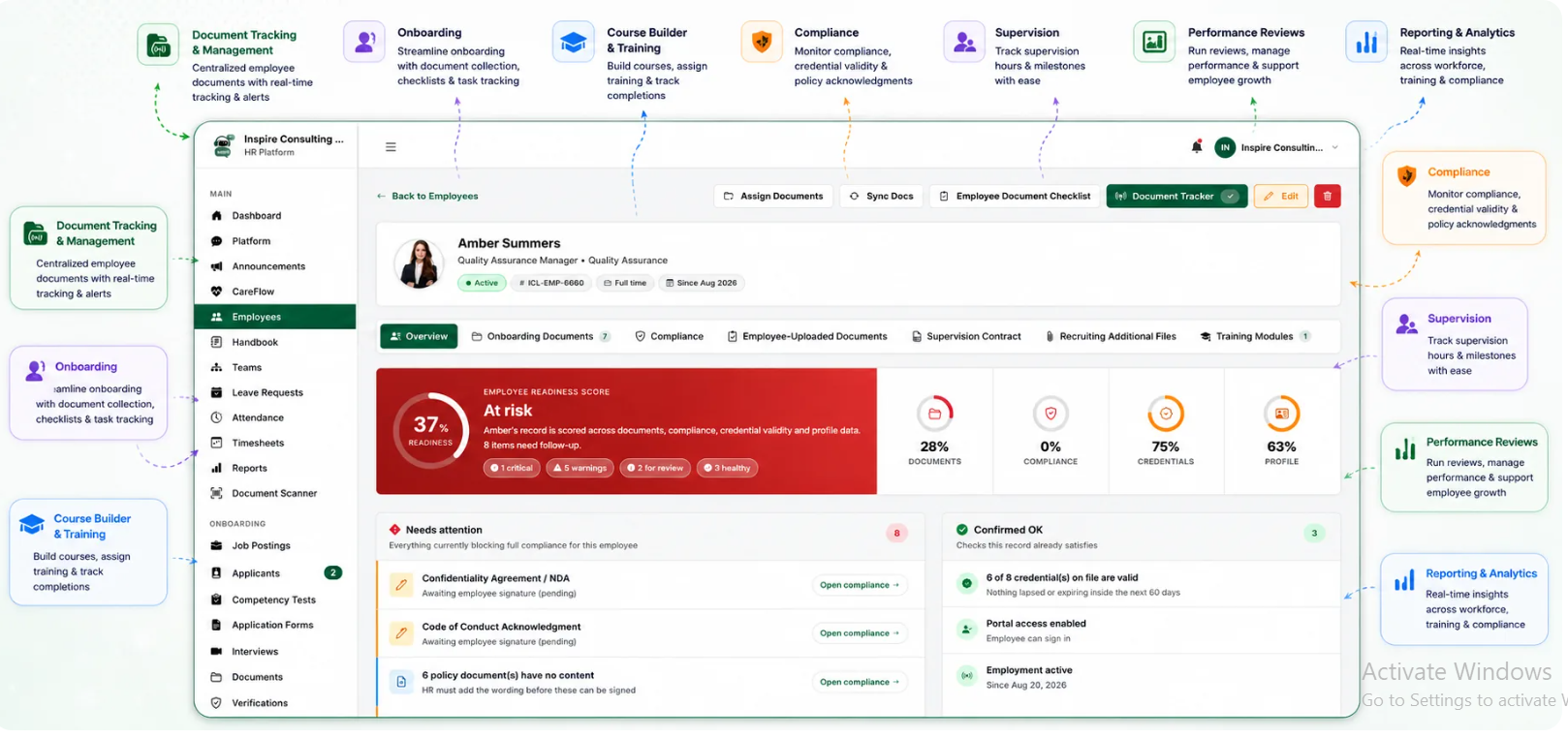
BUAMS HR gives behavioral health organizations a practical way to manage HR workflows without relying on disconnected tools. Agencies can organize employee files, structure onboarding steps, track important compliance items, and maintain better visibility across the workforce in one human resources platform.
For teams supporting multiple programs or locations, BUAMS HR helps standardize critical processes while keeping documentation accessible and easier to review. That means less time spent chasing paperwork and more confidence that HR tasks are being completed consistently.
Final Thoughts
Behavioral health agencies cannot afford HR processes that depend on memory, inbox searches, and manual follow-up. As teams grow, those methods create avoidable risk and unnecessary stress.
HR automation software gives organizations a better foundation for consistency, accountability, and workforce support. For agencies that want to improve operations and strengthen retention at the same time, a more structured HR system is a smart next step.