Behavioral health providers do not struggle with training because they lack requirements. They struggle because required learning touches every part of workforce operations at once: orientation, annual refreshers, crisis prevention, documentation standards, role-based clinical training, and local policy updates. When that work lives across spreadsheets, email threads, and calendar invites, HR teams end up chasing attendance, supervisors lose visibility, and coverage decisions get harder than they should be.
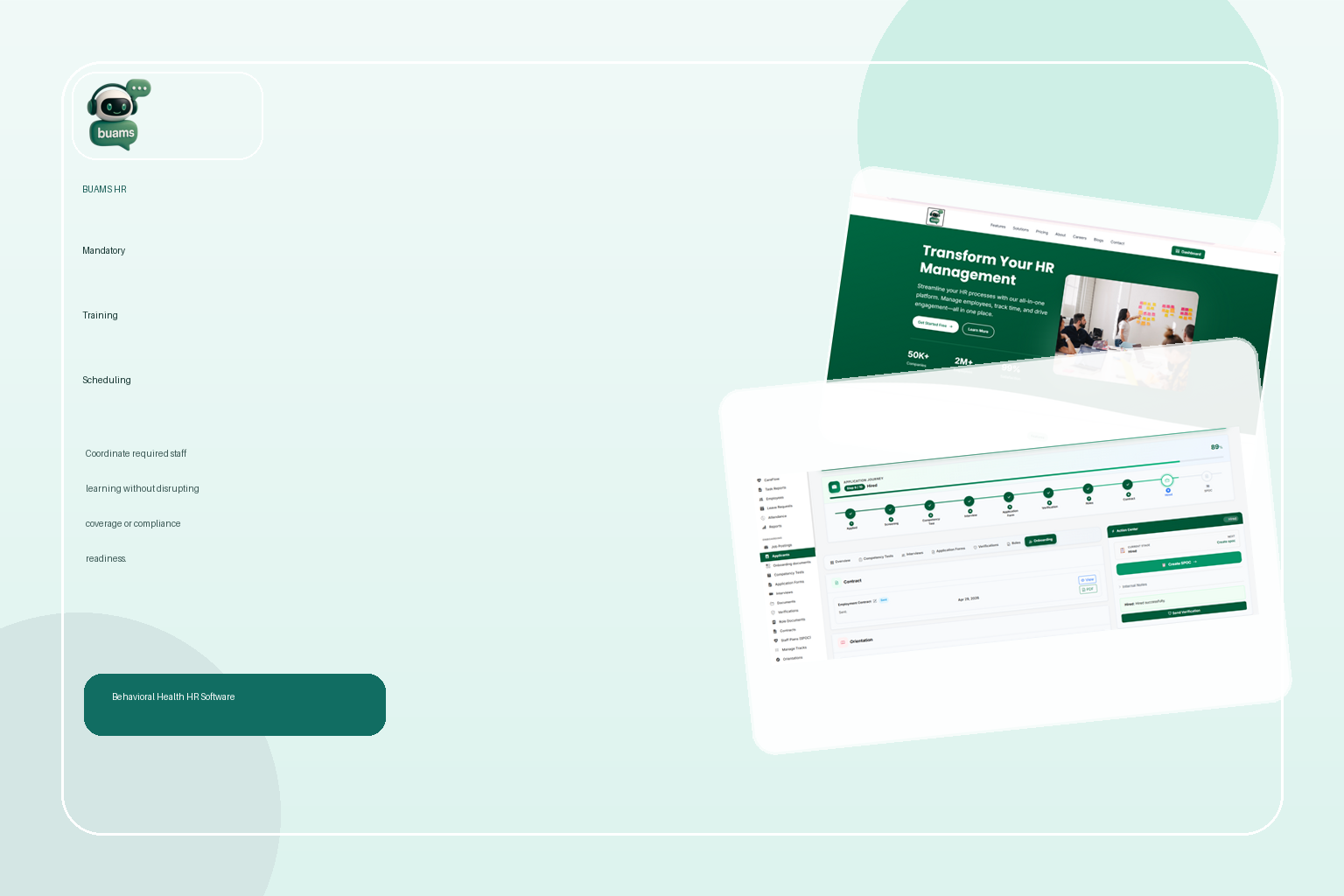
Mandatory training scheduling software gives behavioral health organizations a more reliable way to plan sessions, assign staff based on role and site, document completion, and keep compliance work moving without creating preventable service disruptions. For providers balancing staffing pressure with accreditation expectations, scheduling is not just an administrative detail. It is part of workforce readiness.
Key Takeaways
What Mandatory Training Scheduling Software Means in Behavioral Health
In behavioral health, mandatory training scheduling software is more than a class calendar. It is a system for matching required learning to the right employees, at the right time, with the right evidence tied back to the employee file. That can include new-hire orientation blocks, annual compliance refreshers, CPR or de-escalation recertification sessions, trauma-informed care updates, supervisory training, and location-specific safety requirements.
The strongest approach connects scheduling to workforce data that HR already maintains. Instead of building each roster by hand, teams can organize training demand by job title, program, credential type, supervisor, site, or status. That matters when agencies need to coordinate attendance across outpatient, community-based, crisis, or residential services without weakening coverage.
Why Manual Training Scheduling Breaks Down
Manual scheduling usually starts with good intentions and then grows brittle over time. A coordinator builds a sheet, supervisors email exceptions, staff swap shifts, and suddenly the attendance list no longer matches who actually needs the training. In a behavioral health setting, that disconnect creates more than inconvenience. It can affect assignment decisions, audit response time, and confidence that employees are ready for the work they are doing.
Common breakdowns include duplicate invites, missed annual deadlines, unclear ownership for make-up sessions, and attendance records that never make it back into the employee file. Multi-site providers feel this even more sharply because one training event may affect several programs at once. Maryland and DC providers, for example, often need to show not just that training happened, but that required staff were identified, notified, and documented appropriately.
What to Look For in Mandatory Training Scheduling Software
The right system should support scheduling as an HR and compliance process, not just a calendar function. Providers should look for capabilities that reduce manual coordination while preserving a clear trail of responsibility.
How BUAMS HR Helps Behavioral Health Providers Stay Organized
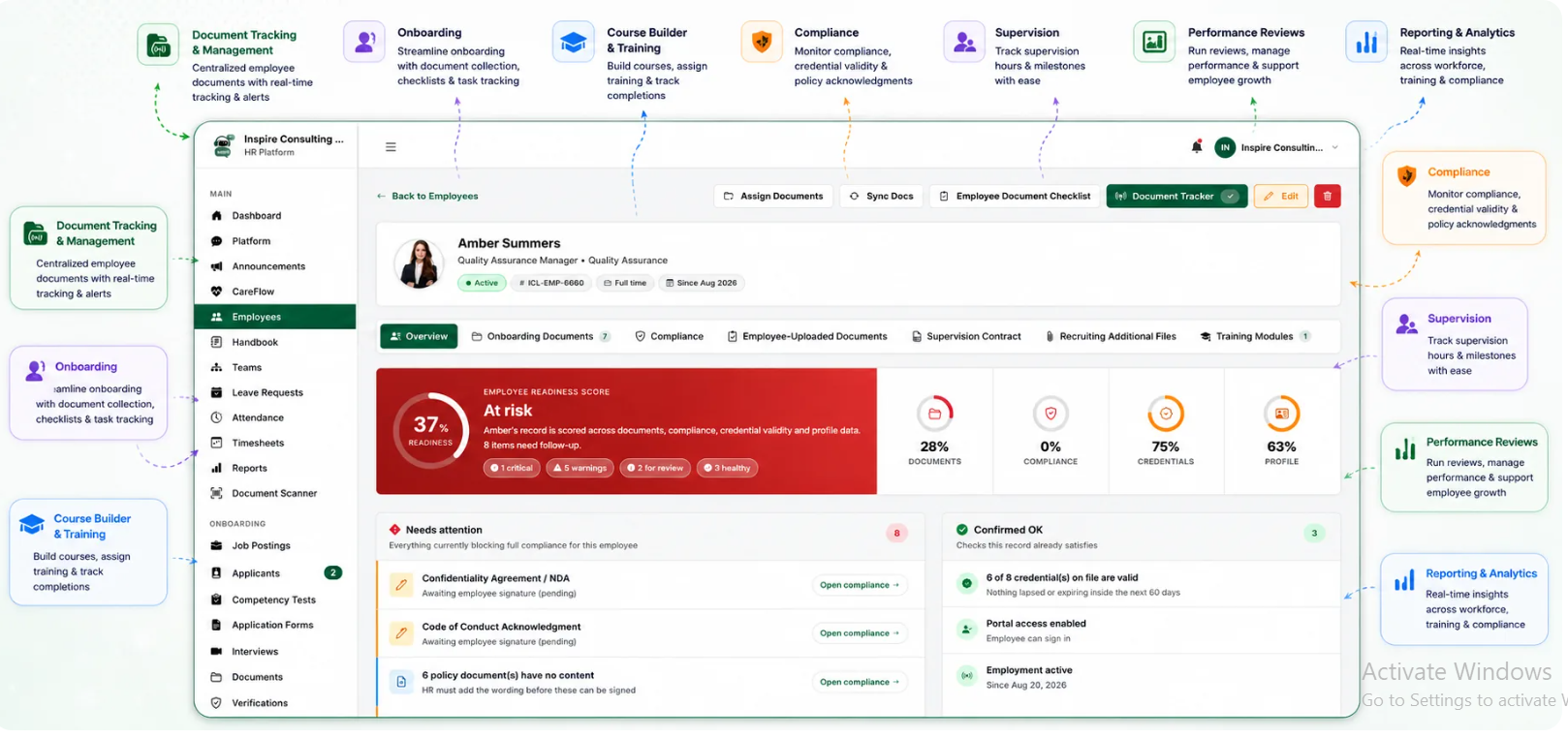
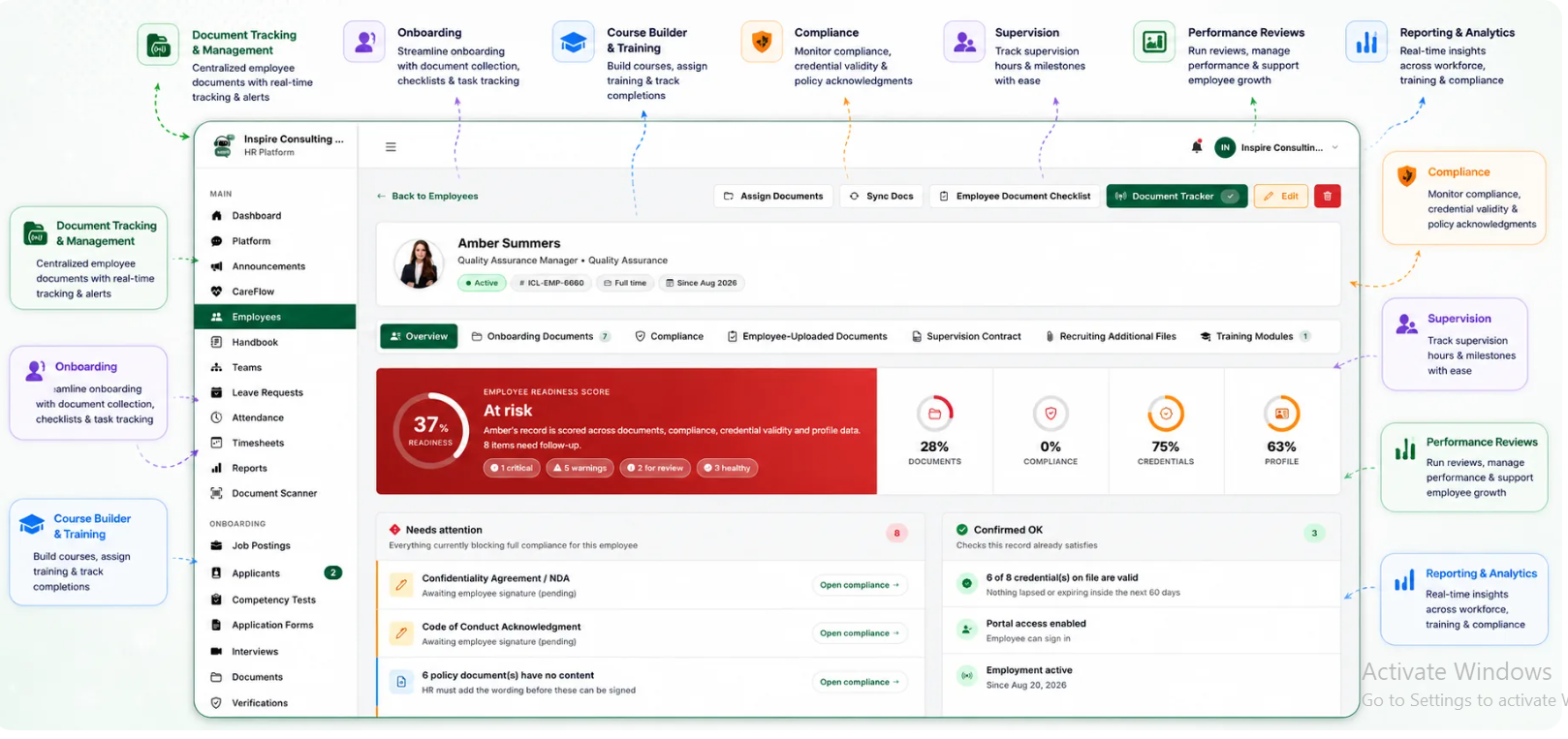
BUAMS HR helps providers manage the people side of compliance work in one connected environment. Instead of treating training scheduling as a separate activity, teams can align required sessions with onboarding status, document collection, role readiness, and employee recordkeeping. That means HR can see who still needs a session, supervisors can follow up faster, and leadership can spot patterns before overdue training turns into assignment risk.
Because BUAMS HR is built for behavioral health workforce operations, it also supports the broader context around training. If a clinician is waiting on credentials, a direct care employee is still completing orientation steps, or a supervisor needs evidence for review readiness, the organization does not have to piece the story together from disconnected tools. Training status can live alongside the rest of the employee compliance picture.
Final Thoughts
Mandatory training scheduling software helps behavioral health providers turn a recurring source of HR friction into a repeatable process. When required learning is planned with role context, attendance is documented cleanly, and follow-up is visible, teams spend less time chasing spreadsheets and more time keeping the workforce prepared. For growing providers, that kind of structure supports both compliance confidence and day-to-day operational stability.