Behavioral health providers often move quickly to identify strong candidates and then lose momentum at one of the most avoidable points in the hiring process: the offer window. An offer may be approved, sent, and verbally discussed, but if no one tracks deadlines, follow-up tasks, or candidate response status, the organization can slip into uncertainty. Offer expiration tracking software gives HR teams a practical way to manage that window so accepted offers keep moving and unresolved offers do not quietly stall hiring plans.
This matters in behavioral health because hiring delays do not stay inside HR. A missed response deadline can ripple into open caseloads, overtime strain, delayed program launches, and extended recruiting costs. When organizations rely on inbox reminders or spreadsheet notes to track outstanding offers, recruiters and managers may not know whether to hold a position, reopen the search, escalate compensation questions, or prepare onboarding steps. A structured workflow helps teams move with more discipline and less guesswork.
Key Takeaways
What Is Offer Expiration Tracking Software?
Offer expiration tracking software is a workflow used to monitor how long a candidate has to respond to an employment offer and what actions should happen before that deadline passes. In behavioral health settings, that workflow may include compensation approval, supervisor review, position budgeting, candidate communication, pre-employment screening steps, and start-date planning.
Instead of treating the offer as a one-time document, the workflow keeps the full decision window visible. Teams can see when the offer was sent, when it expires, who last contacted the candidate, whether questions about schedule or pay are still open, and whether the organization should continue holding the role or move to the next applicant.
The goal is not to pressure candidates. The goal is to give behavioral health organizations a cleaner process for managing time-sensitive hiring decisions without losing documentation or creating avoidable delays.
Why It Matters for Behavioral Health Providers
Behavioral health hiring often involves difficult-to-fill roles, multiple interview rounds, site-specific staffing needs, and start-date coordination across clinical, HR, and operations teams. When an offer sits too long without structured follow-up, the organization may lose a candidate while still believing the position is close to filled. That false sense of progress can create real coverage problems.
For example, a clinic may stop interviewing because a therapist received an offer, only to learn days later that the deadline passed without a clear response. A residential program may expect a new supervisor to start soon, even though compensation clarification is still unresolved. A recruiter may assume a hiring manager handled follow-up while the manager assumes HR already sent the reminder. In each case, the problem is not just communication. It is the absence of a shared workflow tied to a deadline.
Behavioral health providers also need consistent documentation when offers are revised, extended, or declined. If salary, shift expectations, caseload structure, location, or supervision details change during negotiation, HR should be able to show what version was sent, when the deadline changed, and why the next decision was made.
What to Track in the Workflow
An effective workflow begins with standard offer timing rules. Organizations should define how long candidates normally have to respond, when reminders should go out, who can approve extensions, and what happens if an offer expires without a response. That keeps the process fair and easier to manage across programs.
The workflow should also connect offer status to downstream readiness. If a candidate accepts, the handoff to onboarding should happen quickly. If the offer is still pending, teams should know whether to pause preboarding tasks or continue preparing time-sensitive steps such as screening, equipment planning, or orientation scheduling.
Common Failure Points to Avoid
One common problem is sending an offer without a clear owner for follow-up. If no person is responsible for checking in before the deadline, the organization may discover too late that the candidate had unresolved questions or simply needed another touchpoint. Another problem is extending deadlines informally by email or phone without updating the official record. That can create confusion about whether the role is still open and whether other candidates should remain active.
Behavioral health providers should also avoid disconnecting offer status from recruiting pipeline decisions. If an offer remains pending beyond its intended window, the team should have a defined rule for whether to continue interviewing, seek backup candidates, or escalate the matter to leadership. Without that structure, the hiring process drifts and open roles stay open longer than necessary.
A final weak spot is poor handoff after acceptance. An accepted offer is only valuable if onboarding and compliance steps begin fast enough to protect the planned start date. If acceptance happens but the next workflow does not trigger, the organization loses the benefit of a timely decision.
Best Practices for Faster, Cleaner Offer Decisions
The strongest behavioral health teams treat the offer window as an active workflow rather than passive waiting time. They set reasonable deadlines, schedule follow-up before the deadline arrives, and make it easy to see whether outstanding questions need escalation. That approach respects the candidate while protecting the organization from stalled decisions.
It also helps to separate standard offers from exception offers. Most roles should follow normal approval rules and timing. If a candidate needs a sign-on bonus review, a different site arrangement, or a revised schedule, that exception should be documented with a clear decision owner and target response date.
Another best practice is to create a clean bridge from offer acceptance to onboarding readiness. Once a candidate accepts, the workflow should trigger the next set of tasks so HR does not lose time recreating information that was already gathered during recruiting.
How BUAMS HR Helps
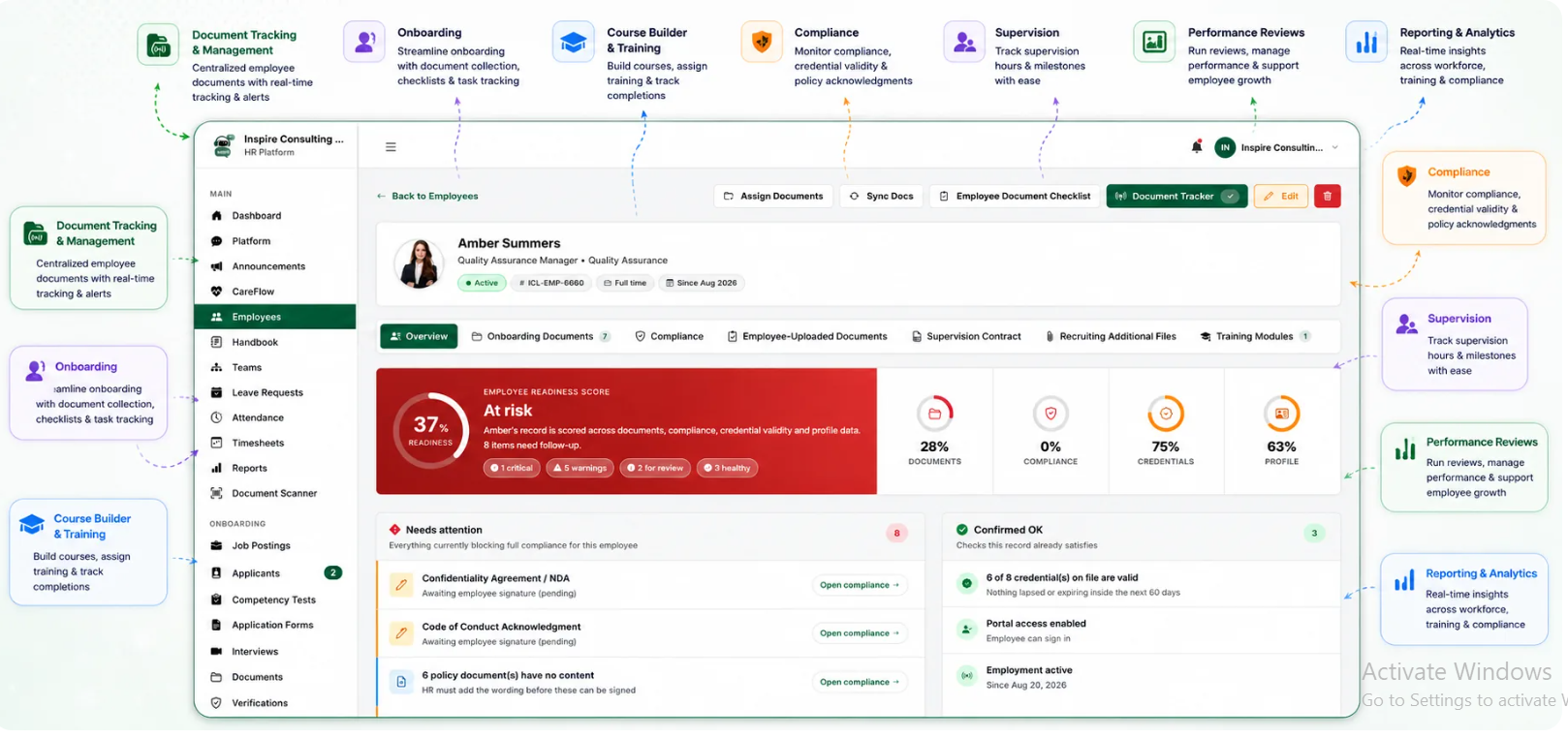
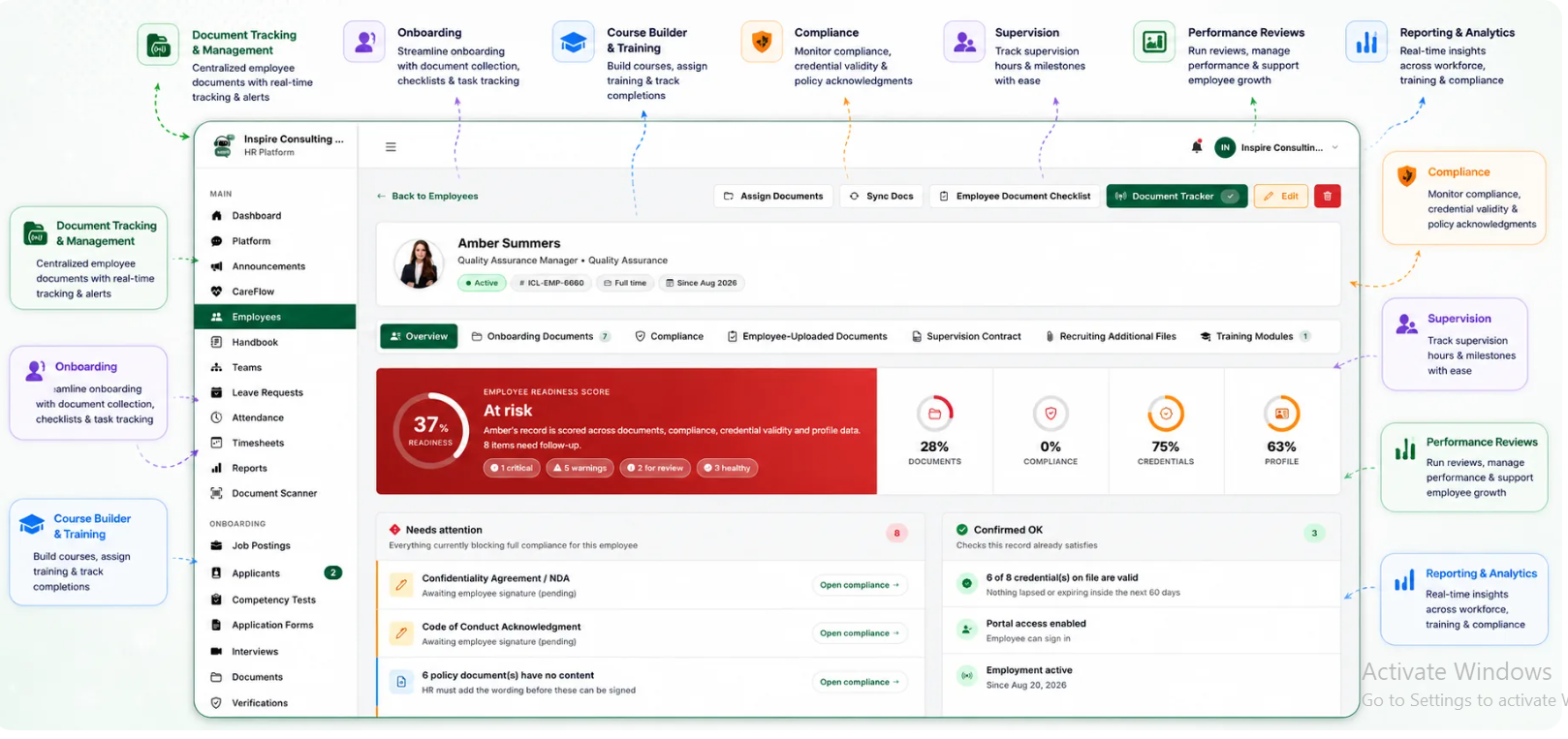
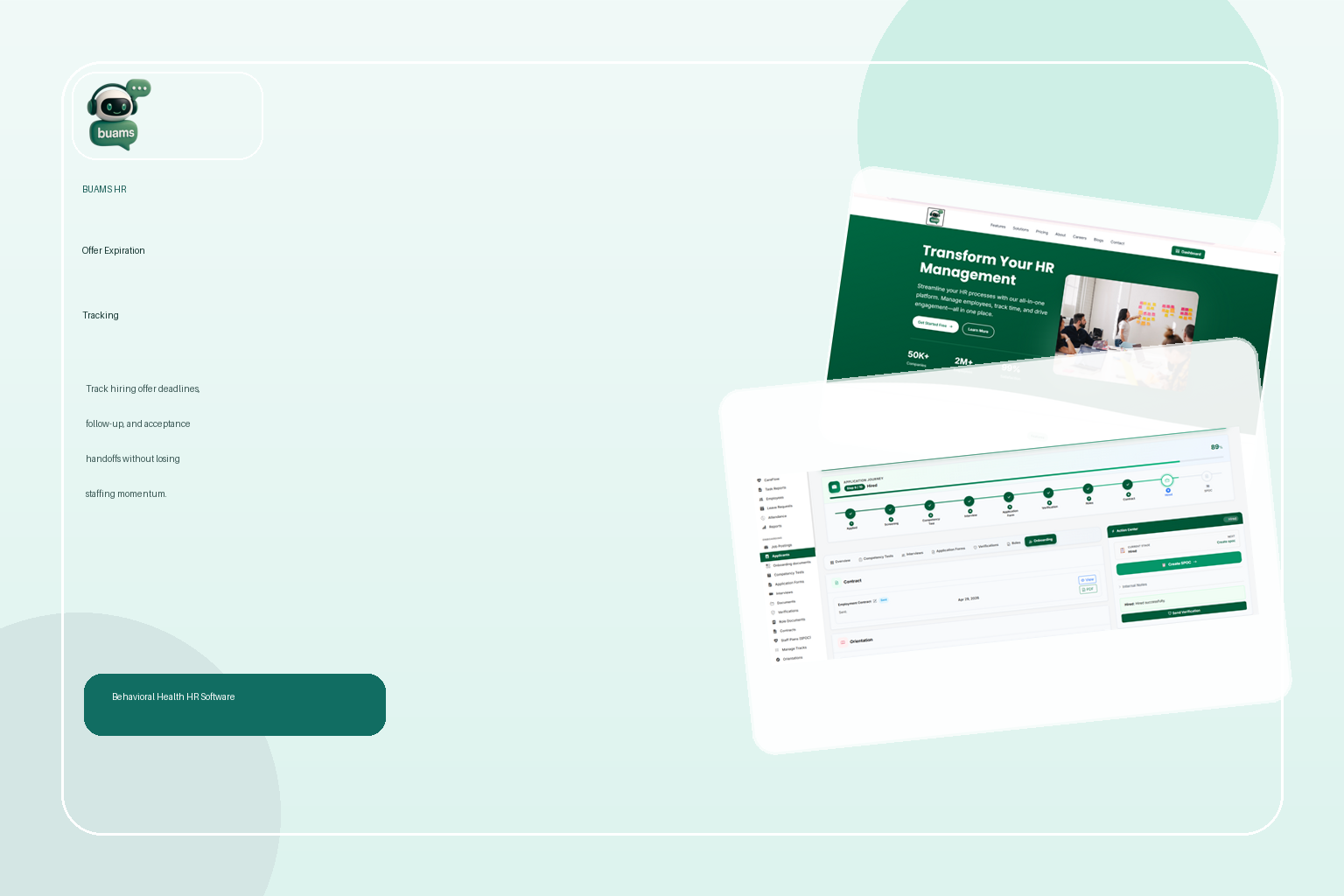
BUAMS HR helps behavioral health providers organize the workforce processes that surround offer management, acceptance, and onboarding. Instead of letting offer decisions live across inboxes, recruiter notes, and disconnected spreadsheets, teams can keep employee readiness steps, approval checkpoints, and supporting documentation connected in one structured system.
That visibility makes it easier to know which offers are still pending, which candidates need follow-up, and which accepted hires should move into onboarding right away. BUAMS HR also supports cleaner handoffs across HR, hiring managers, and operations so a decision made during recruiting does not get lost before the employee reaches day one readiness.
For organizations trying to reduce hiring delays without weakening controls, that structure is valuable. Better offer tracking protects recruiting momentum, improves coordination, and helps behavioral health teams turn approved offers into actual staffed positions faster.
Final Thoughts
Offer expiration tracking software gives behavioral health providers a practical way to manage one of the most fragile stages in the hiring process. When deadlines, follow-up, approvals, and handoffs are visible, teams can make faster decisions without losing documentation or candidate momentum.
In a labor market where every qualified hire matters, better control over the offer window can reduce reopen work, protect coverage plans, and help organizations move from candidate interest to workforce readiness with fewer avoidable delays.