Behavioral health organizations often move quickly from offer acceptance to start date. In that short window, HR has to coordinate orientation sessions, policy review, supervisor introductions, compliance tasks, badge pickup, and role-specific readiness steps. When those pieces live in email threads or calendar invites with no shared workflow, first-day execution becomes harder than it should be.
Orientation scheduling software gives HR teams a structured way to plan who attends, which sessions they need, when each step happens, and what must be completed before a new employee is cleared to begin work. For behavioral health providers, that structure matters because staff may start across multiple programs, locations, and service models, each with different operational and compliance expectations.
A more organized orientation process does more than fill a calendar. It reduces day-one confusion, helps supervisors prepare for arrivals, and creates a documented path from hire to active workforce readiness.
Key Takeaways
What Is Orientation Scheduling Software?
Orientation scheduling software is a workforce coordination tool used to organize employee orientation events, required attendance, preparatory tasks, and completion tracking. In a behavioral health setting, that can include general new-hire orientation, site-specific walkthroughs, safety training, documentation standards, EHR introductions, benefits review, supervision setup, and role-based readiness sessions.
The goal is to replace fragmented coordination with a repeatable process. Instead of relying on one HR coordinator to remember every session and every stakeholder, the organization can use a standard workflow to assign orientation steps based on role, program, location, or start date. That creates more consistency even when many hires are moving at once.
The most useful systems do not treat orientation as a single event. They support a sequence of activities that may begin before day one and continue through the first week or first month of employment.
Why It Matters for Behavioral Health Providers
Behavioral health providers often hire across outpatient clinics, residential programs, community-based services, and administrative teams. A therapist starting in one program may need a different orientation path than a residential counselor, care coordinator, or front-desk employee. If the scheduling process is informal, important sessions can be missed or assigned too late.
That creates practical problems immediately. A supervisor may expect a new hire to report to the unit, while HR has the employee booked in compliance orientation. A trainer may prepare materials for five attendees but receive eight. A start date may move forward without anyone updating the shared plan. These issues waste time and create a poor early experience for staff.
There is also a compliance and quality angle. Behavioral health organizations need confidence that required orientation topics were covered before employees begin sensitive tasks. A documented scheduling and completion process helps organizations show that workforce preparation was intentional, timely, and aligned with role expectations.
Common Problems With Manual Orientation Coordination
Manual orientation scheduling usually breaks at the handoff points between HR, operations, supervisors, and training leads. Each team may have part of the plan, but no one has a complete and current view of what the employee still needs.
As hiring volume grows, these issues become harder to manage. Even strong HR teams lose time chasing confirmations when the process depends on separate calendars, spreadsheets, and inboxes.
What to Look for in Orientation Scheduling Software
Behavioral health providers should look for a system that connects scheduling to workforce readiness, not just a basic calendar tool. The right setup should help HR assign the right orientation path, monitor completion, and coordinate schedule changes without recreating the plan each time.
Role- and location-based templates
Different programs need different orientation tracks. A good system lets HR build repeatable templates for clinicians, direct care staff, supervisors, interns, or support teams, then adjust by site or service line when needed.
Shared visibility across teams
HR, supervisors, and trainers should be able to see what is scheduled, what has changed, and what is still incomplete. Shared visibility prevents duplicate outreach and reduces the risk that someone assumes a new hire is ready when required sessions are still open.
Completion tracking tied to the employee record
Scheduling alone is not enough. The system should show whether the employee attended, completed follow-up tasks, and cleared prerequisite steps connected to the orientation plan. That record is especially useful when start-date decisions depend on readiness status.
Flexible rescheduling and exception handling
Behavioral health hiring does not always happen on a clean weekly rhythm. Start dates shift, classes fill up, and urgent hires may need alternate sessions. Strong orientation scheduling software makes those changes visible without losing the audit trail.
Reporting on bottlenecks and no-shows
Organizations should be able to identify missed sessions, overloaded orientation blocks, and recurring delays by role or location. Those insights help leaders improve staffing readiness instead of repeating the same first-week problems.
How BUAMS HR Helps
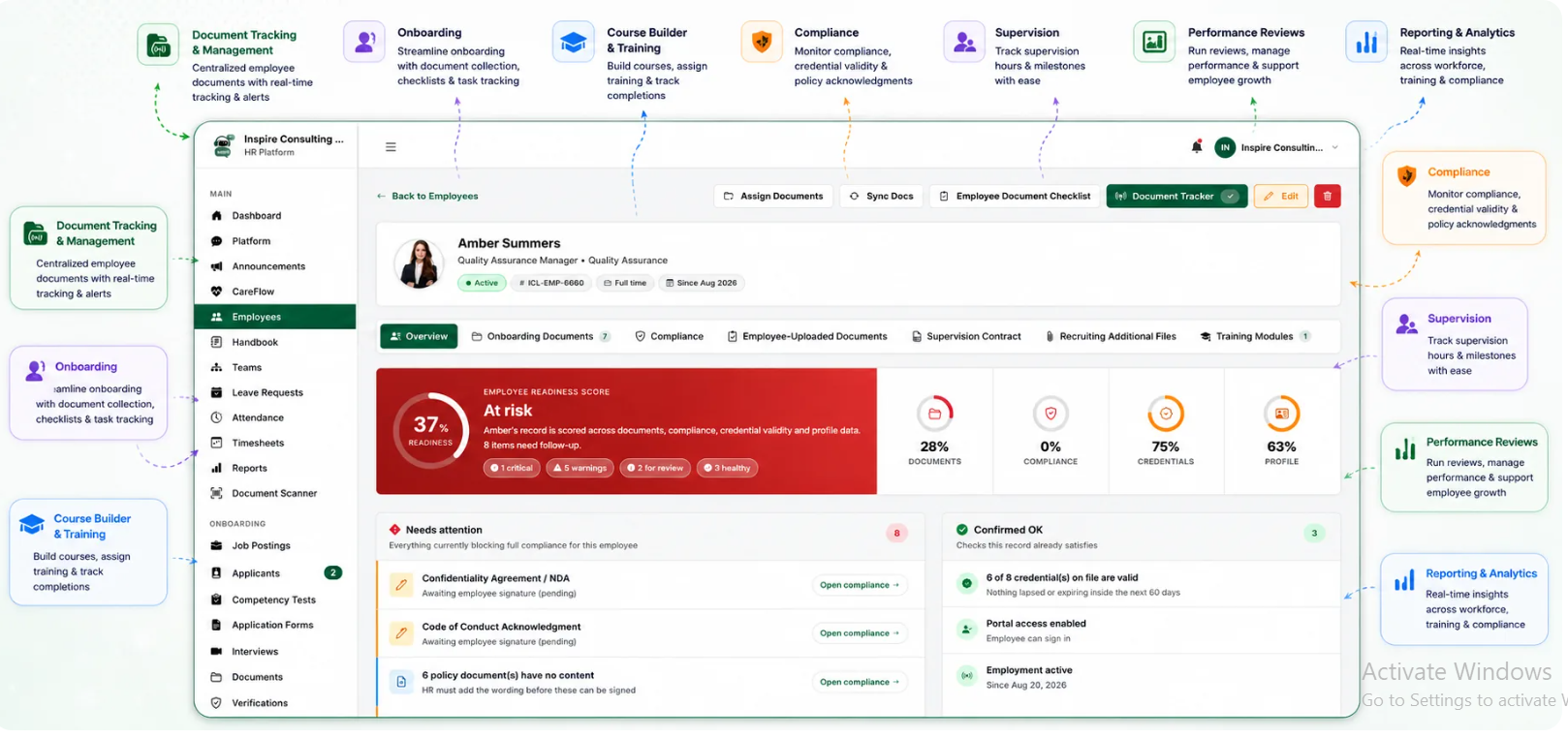
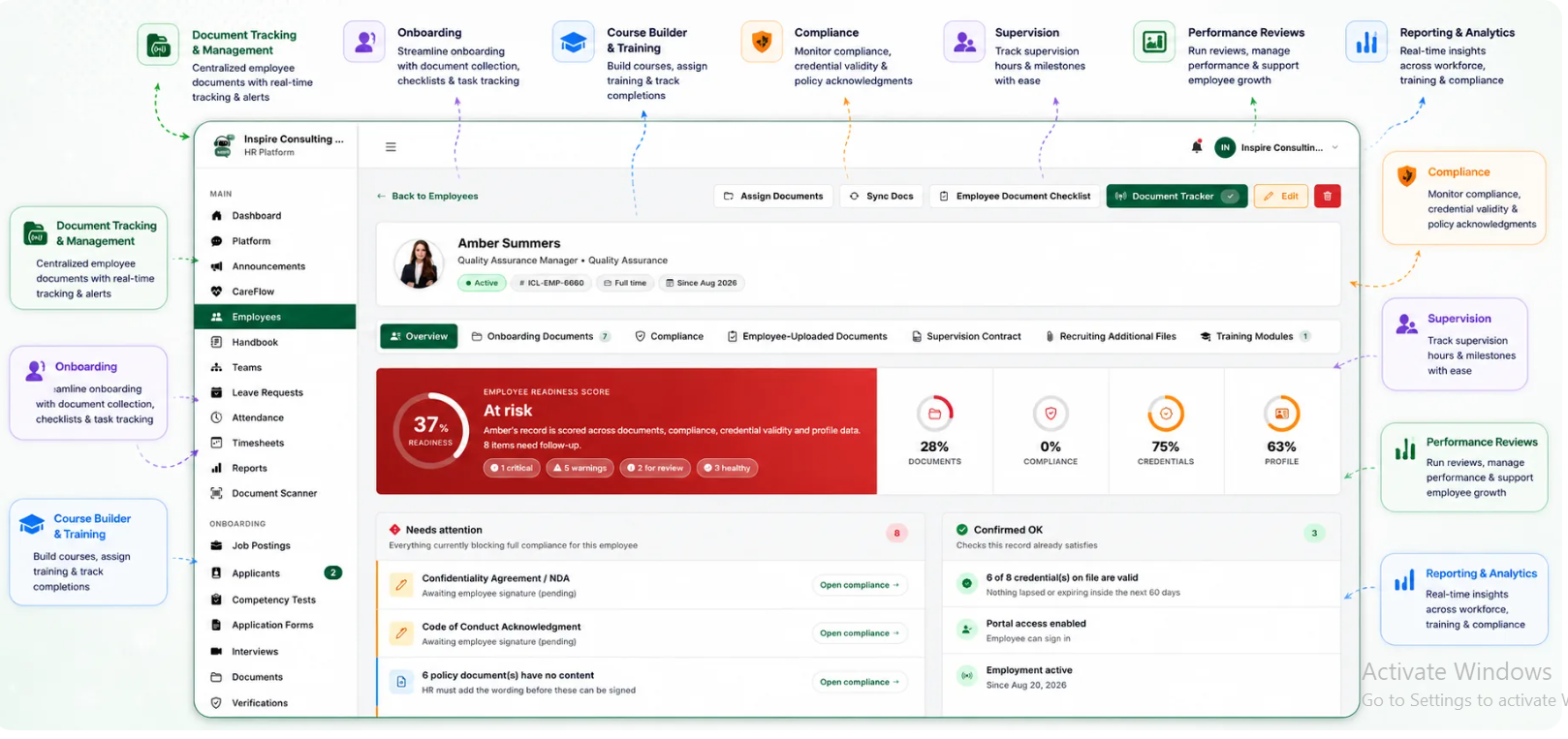
BUAMS HR can help behavioral health providers bring orientation scheduling into a more organized employee workflow. Instead of managing orientation through disconnected invites and side notes, HR teams can align scheduling tasks with onboarding, employee files, supervisor coordination, and role-based readiness checkpoints.
With a centralized system, organizations can standardize orientation paths for different positions, track completion status, and keep the employee record connected to the broader launch process. That makes it easier to confirm whether a hire is truly ready for day one, whether a start date change requires rescheduling, and whether required sessions were actually completed.
For growing providers, this kind of structure reduces administrative scrambling and gives leaders better visibility into where first-week readiness breaks down. Instead of relying on memory and manual follow-up, teams can use a consistent process that scales.
Final Thoughts
Orientation scheduling software may sound like a narrow operational tool, but it plays a major role in workforce readiness. For behavioral health providers, the first days of employment set the tone for compliance, coordination, and employee confidence. When orientation is scheduled clearly and tracked consistently, organizations create a stronger start for both staff and supervisors.
The right process helps HR reduce missed steps, improve communication, and support a smoother transition from hire to active service delivery. For providers that want fewer day-one surprises and better control over new-hire readiness, orientation scheduling software is a practical investment.