Opening a new behavioral health program is rarely just an operations project. It also creates a concentrated HR workload that includes recruiting, pre-hire documentation, onboarding, role setup, policy acknowledgment, training assignments, supervision planning, and compliance tracking. When those tasks are handled across spreadsheets, inboxes, and disconnected folders, launch timelines start slipping for reasons that are hard to see early. New program launch HR software helps behavioral health providers coordinate those moving parts before the first client is scheduled and before managers are forced into last-minute workarounds.
That matters because a new program can look ready on paper while still carrying workforce risk underneath. A site may have accepted offers but missing employee files. A team may have start dates but no clear view of which staff still need orientation, credential review, or supervisor assignment. A strong launch process gives HR, operations, and leadership one place to see what is complete, what is blocked, and what needs attention before opening day.
Key Takeaways
What new program launch HR software should solve for behavioral health teams
Good new program launch HR software should do more than list tasks. It should help organizations prepare an entire workforce for a new setting while keeping documentation, approvals, and readiness easier to review. That includes both the hiring pipeline and the post-hire steps that often create launch delays.
Why HR launch preparation gets difficult in behavioral health settings
Behavioral health expansion often happens under real pressure. An organization may be opening a new outpatient program, adding mobile crisis capacity, starting services in another county, or responding to contract demand on a tight timeline. Leaders need to move quickly, but HR still has to make sure each new hire or reassigned employee meets the right documentation and readiness standards.
The challenge is that launch work is cross-functional by nature. Recruiting may know offers are out, but HR may still be waiting on I-9 documents, health records, training completion, or role-specific acknowledgments. Supervisors may assume staff are assigned, while compliance teams still need to confirm credentials or file completeness. Without shared visibility, everyone feels busy while the launch remains more fragile than it appears.
This is where new program launch HR software becomes valuable. It turns a stressful expansion effort into a more structured process with clearer accountability, cleaner follow-up, and fewer opening-day surprises.
Best practices for using new program launch HR software effectively
The best launch workflows do not treat every employee the same. They recognize that a therapist, case manager, peer support worker, residential staff member, and supervisor may each need different steps before they are truly ready to begin work in a new program.
Build launch checklists around roles, not just around the location
A new site or service line may share common requirements across all employees, but role-based readiness still matters. Software should make it easy to apply a consistent launch framework while preserving the differences between job functions.
Use milestone reviews before the final week
Many launch delays become visible too late because organizations wait until just before go-live to review readiness. A better approach is to create milestone checkpoints earlier in the timeline so missing items are easier to resolve.
Keep launch documentation connected after opening day
Launch workflows should not disappear once the program opens. The information gathered during preparation becomes part of the ongoing workforce record. Keeping that continuity reduces rework and supports stronger oversight after the first week of service.
What to look for in new program launch HR software
Behavioral health providers need software that supports both speed and control. The most useful tools help teams move faster on launches without relying on disconnected trackers that are hard to maintain once expansion gets busy.
When those elements are in place, new program launch HR software becomes more than a project checklist. It becomes a practical way to open with stronger workforce confidence and less operational scrambling.
How BUAMS HR helps behavioral health organizations prepare for growth
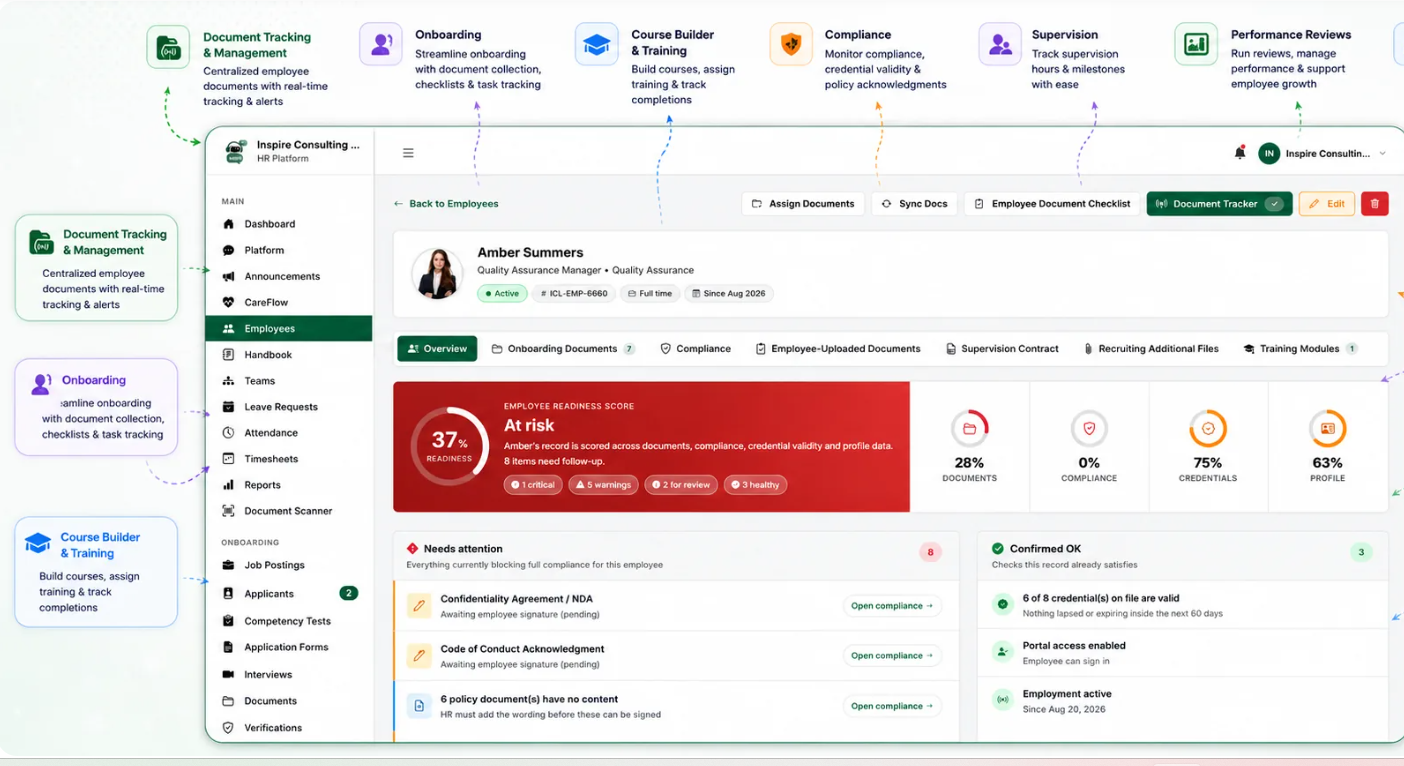
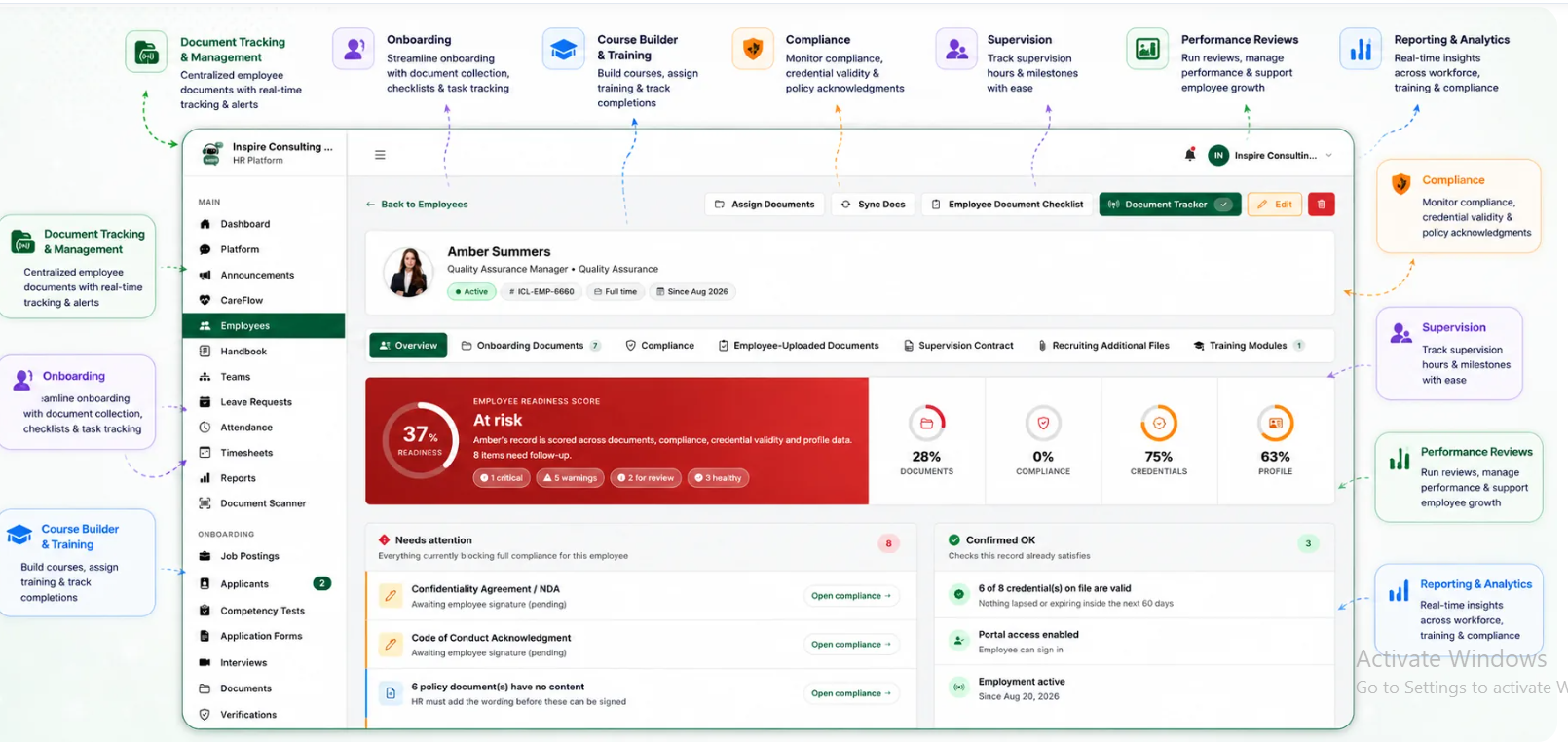
BUAMS HR helps behavioral health providers keep workforce preparation more organized as new programs, locations, and teams come online. By keeping employee records, onboarding steps, documentation, and follow-up easier to review in one system, organizations can reduce the manual coordination that often slows launches down.
For organizations planning growth, that structure can make the difference between a controlled launch and a reactive one. Teams still need flexibility, but they also need a cleaner way to confirm that the workforce behind the launch is actually ready.
Final thoughts
New program launch HR software gives behavioral health providers a better way to prepare hiring, documentation, and compliance work before opening day. By organizing role-based readiness, surfacing blockers early, and carrying launch data into the ongoing employee record, organizations can expand with fewer surprises and stronger oversight. For providers that want growth to feel more disciplined and less chaotic, a structured HR launch process is a smart place to start.