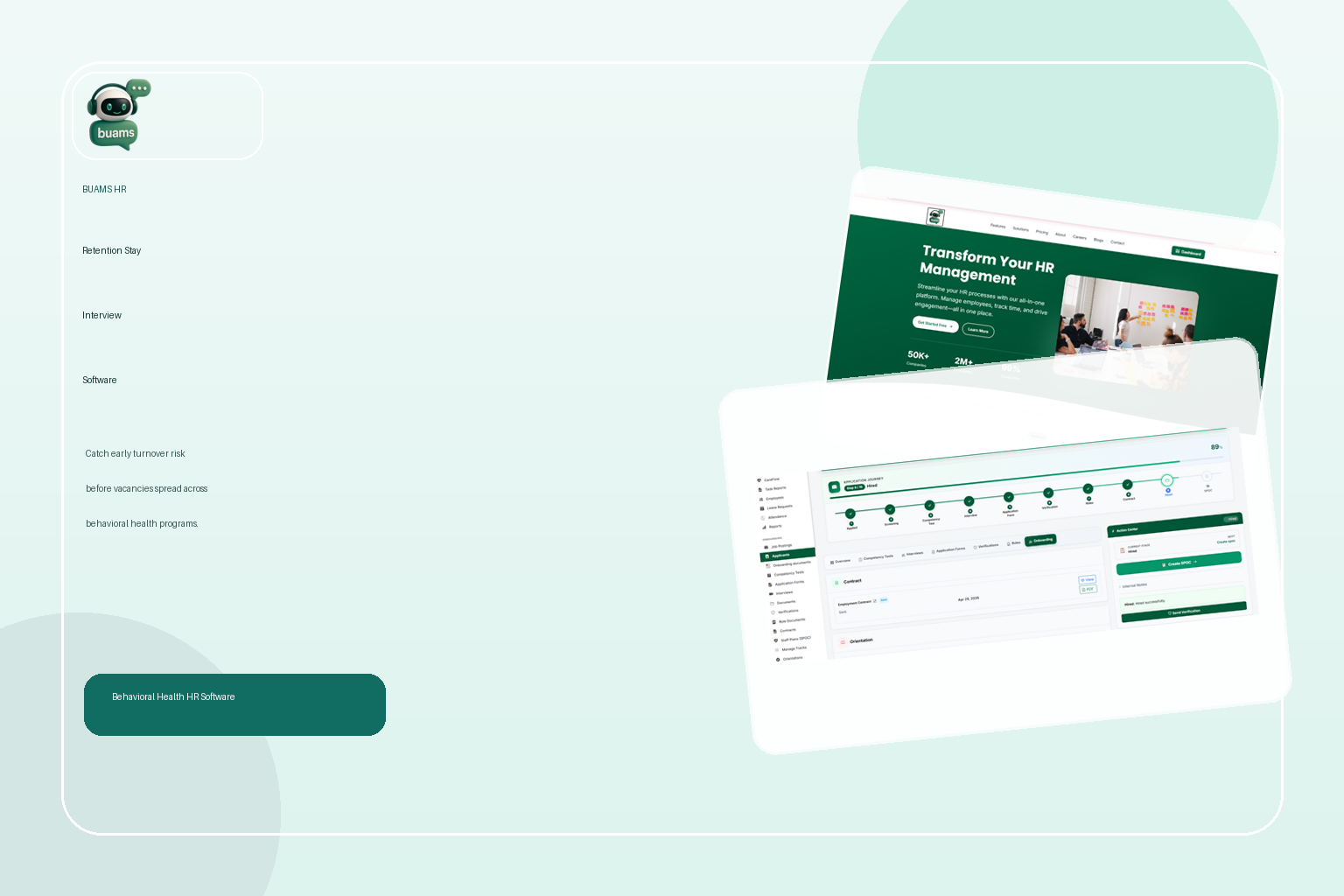
Behavioral health providers usually feel turnover risk before they can measure it cleanly. A supervisor notices that a strong therapist is taking on too much call coverage. A residential program manager hears that overnight staff feel burned out. A peer support specialist starts asking about schedule flexibility, but nobody captures the concern in a consistent way. By the time HR sees a resignation, the warning signs are already old news. Retention stay interview software gives organizations a better way to document those early signals, coordinate follow-up, and reduce preventable turnover before vacancies spread across programs.
In behavioral health, that matters more than it might in other industries. Losing staff does not just create recruiting work. It can disrupt supervision capacity, delay onboarding plans, stretch remaining teams, and create continuity concerns for clients. When stay interviews are informal or scattered across manager notes, organizations lose the chance to respond early. A structured system helps HR teams turn retention conversations into usable operational insight instead of one more meeting that disappears into memory.
Key Takeaways
What Is Retention Stay Interview Software?
Retention stay interview software is a workflow system for planning, documenting, and following up on structured conversations with employees who are still actively working for the organization. The goal is to understand what keeps staff engaged, what frustrations are building, and what changes could reduce the likelihood of turnover.
For behavioral health providers, these interviews may involve clinicians, direct care workers, supervisors, case managers, support staff, or hard-to-fill program roles. The software should help teams schedule conversations, capture recurring themes, track action items, and review trends across sites or departments. Instead of relying on private notes or disconnected spreadsheets, the organization can build a repeatable process for turning frontline feedback into retention action.
The value is not just in collecting comments. The value is in creating visibility. If several employees mention the same workload friction, supervision gap, orientation problem, or schedule concern, leaders should be able to see that pattern before it turns into a staffing crisis.
Why It Matters for Behavioral Health Providers
Behavioral health organizations often operate with thin staffing margins. A single resignation can affect caseload balance, shift coverage, supervisor bandwidth, credential maintenance, and onboarding timelines for the next hire. Programs may already be juggling site-based requirements, documentation expectations, safety protocols, and community scheduling complexity. That means preventable turnover has a wider operational impact than the exit of one employee alone.
Stay interviews help providers identify issues while there is still time to respond. An employee may not be ready to resign, but they may already be frustrated by inconsistent supervision, role ambiguity, delayed approvals, unbalanced schedules, limited advancement visibility, or repeated administrative friction. If those concerns remain undocumented or unsupported, leaders end up reacting too late.
Retention stay interview software gives behavioral health HR teams a more disciplined way to track those concerns. It also helps organizations separate anecdote from trend. One supervisor might think turnover is mostly about compensation, while another sees burnout, onboarding confusion, or training gaps. A structured system makes it easier to compare what employees are actually saying across teams and programs.
What Manual Stay Interview Tracking Gets Wrong
Many organizations already hold retention conversations, but they do not manage them like an operational process. That is where value gets lost.
These gaps are especially costly in behavioral health because retention issues are often linked to quality, compliance, and service continuity. If staff leave because supervision support is inconsistent or role expectations were never clarified, the problem is bigger than morale alone. It points to workflow breakdowns that affect the entire workforce system.
What to Look For in Retention Stay Interview Software
Standard interview templates
Organizations should be able to guide supervisors and HR partners with a shared set of questions. That helps reduce inconsistency and makes the resulting information more useful across sites, departments, and roles.
Action tracking tied to real owners
Good software should turn concerns into follow-up tasks with deadlines and visible ownership. If a program director needs to review scheduling, if HR needs to clarify advancement criteria, or if a supervisor needs to revisit workload distribution, the system should show what happens next.
Theme reporting across teams
Behavioral health providers need more than a file cabinet of interview notes. They need reporting that highlights common drivers of turnover risk, such as burnout, unclear expectations, weak onboarding, limited schedule flexibility, or compensation frustration in specific roles.
Appropriate confidentiality controls
Not every note should be visible to every manager. A practical system should support role-based access so leaders can act on trends and assigned follow-up without exposing sensitive comments too broadly.
Connection to employee context
Stay interview records become more useful when they sit near job history, supervisor relationships, status changes, training progress, and prior follow-up notes. That context helps HR understand whether a concern is isolated or part of a longer pattern.
Common Use Cases in Behavioral Health
Retention stay interview software is especially valuable when providers want to stabilize hard-to-staff programs or respond earlier to operational strain.
That final point matters. Exit interviews are useful, but they arrive after the organization has already absorbed the loss. Stay interviews create a chance to intervene while trust can still be repaired.
How BUAMS HR Helps
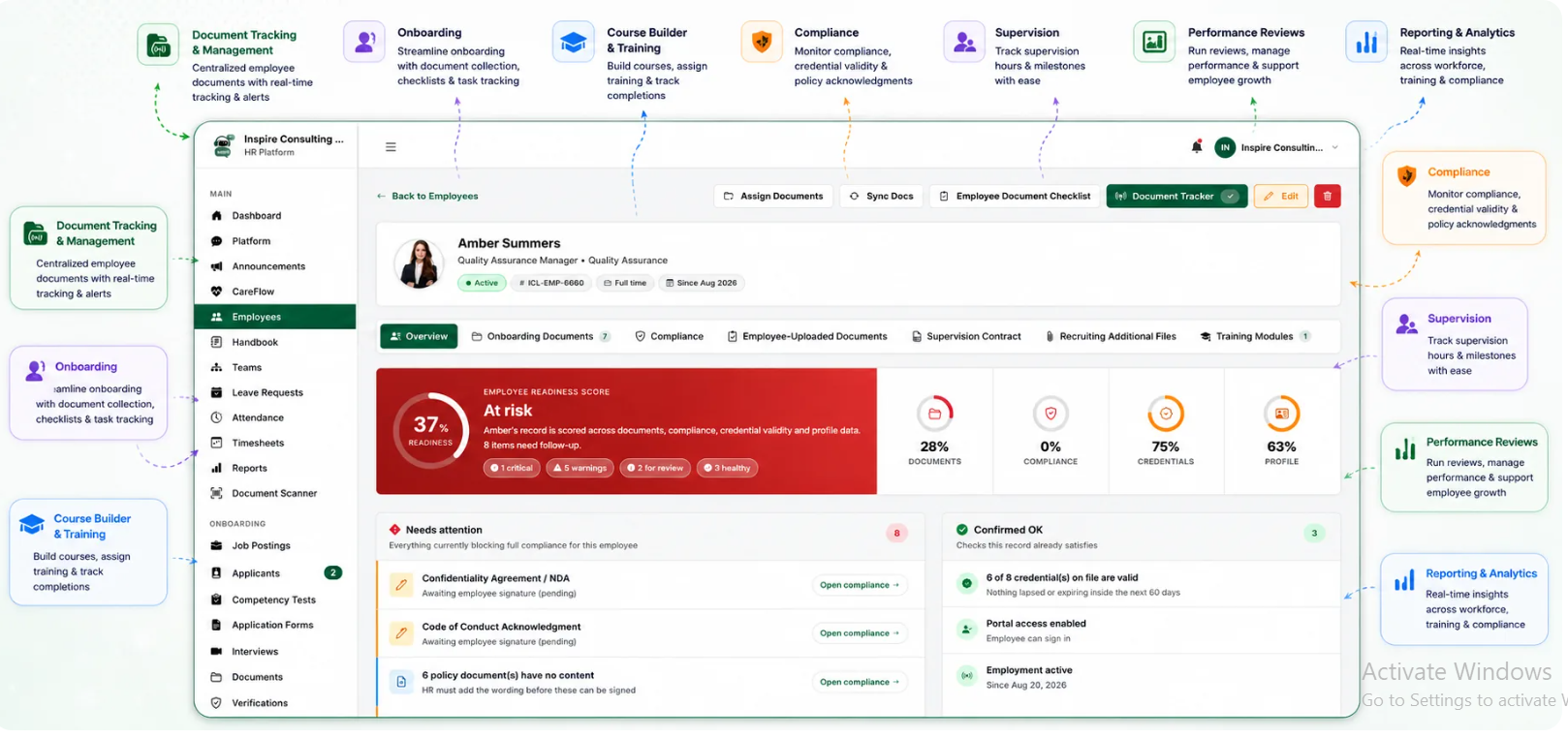
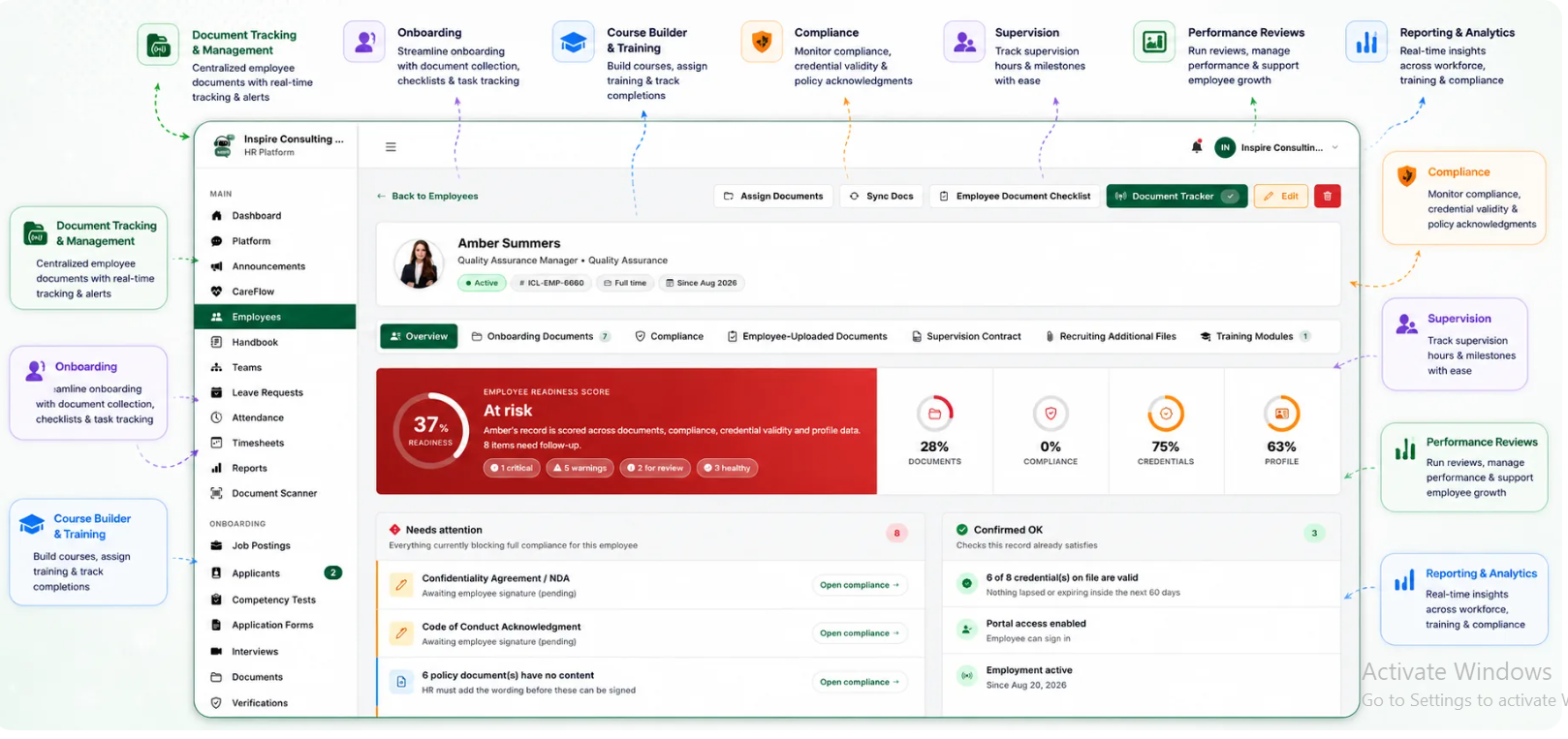
BUAMS HR helps behavioral health providers organize employee records, workforce workflows, and follow-up activity in one place. For retention stay interview software, that kind of structure matters because the conversation itself is only the beginning. Teams also need a reliable way to store notes, assign next steps, review status, and connect retention concerns with the broader employee record.
With BUAMS HR, organizations can reduce the scatter that happens when retention efforts live across inboxes, local files, and disconnected trackers. HR leaders can keep documentation more consistent, supervisors can see assigned follow-up more clearly, and leadership can review patterns across sites without rebuilding the story from scratch each quarter.
That is particularly useful for behavioral health providers managing multiple programs, high-growth hiring, or ongoing coverage pressure. A more connected system helps turn employee feedback into visible action instead of letting important concerns disappear after a well-meaning conversation.
Best Practices for Rolling Out a Stronger Stay Interview Process
Final Thoughts
Retention stay interview software helps behavioral health providers act earlier, document better, and respond more consistently when valuable staff start showing signs of disengagement. Instead of waiting for vacancies to reveal what went wrong, HR teams can create a structured workflow for listening, prioritizing issues, and following through.
For organizations trying to protect workforce stability across clinical, community, and support programs, that is a meaningful advantage. BUAMS HR gives providers a more organized foundation for connecting stay interview insights with employee records, supervisor accountability, and practical retention action before turnover becomes the next urgent problem.