Behavioral health staffing gets harder when organizations treat employee preferences as informal side conversations. One supervisor knows who prefers evenings, another remembers who cannot float between sites, and HR gets pulled in when coverage plans feel unfair or inconsistent. Over time, those small gaps create larger problems: repeated schedule conflicts, avoidable burnout, last-minute call-offs, and frustrated employees who feel like their constraints are never documented the same way twice.
Schedule preference tracking software gives behavioral health providers a cleaner way to manage that complexity. Instead of relying on memory, text threads, or personal spreadsheets, teams can document what employees prefer, what they cannot work, what is only temporarily true, and what approval or assignment rules still apply. The result is not perfect scheduling by itself. The real value is giving HR and operations a more dependable foundation for coverage decisions that feel organized, consistent, and easier to explain.
Key Takeaways
What Is Schedule Preference Tracking Software?
Schedule preference tracking software is a system for recording the working patterns employees prefer and the conditions that shape those preferences. In behavioral health, that can include preferred shifts, weekend availability, site preferences, telehealth versus in-person work, maximum travel distance, open interest in extra hours, or restrictions tied to school schedules, family care, or temporary personal needs.
The goal is not to guarantee that every preference is always honored. The goal is to make preferences visible and usable in workforce planning. When that information is current and standardized, supervisors and HR leaders can make coverage decisions with better context instead of asking the same questions repeatedly or relying on outdated assumptions.
Why Preference Tracking Matters in Behavioral Health
Behavioral health organizations often schedule across multiple sites, service lines, and staffing models. One team may need early-morning community support, another may need evening outpatient coverage, and another may depend on weekend staff who are willing to travel. In that environment, employee preferences affect more than convenience. They influence retention, overtime pressure, morale, and how quickly open shifts can be filled.
Manual preference tracking breaks down because the information changes often. A staff member who wanted extra shifts last quarter may now be in school. A clinician who preferred one site may have changed supervisors or client mix. A direct care employee may be available on weekends only if assigned near home. If those updates live in private notes or fragmented spreadsheets, the organization keeps relearning the same staffing lessons the hard way.
There is also a fairness issue. Employees are more likely to trust scheduling decisions when leaders can show that preferences were documented, reviewed, and balanced against coverage needs consistently. Without a system, some requests get remembered and others disappear depending on who happened to be managing the schedule.
Common Preferences Worth Tracking
Behavioral health providers usually benefit from tracking more than a simple preferred shift field. Several categories tend to matter most.
Shift and Day Preferences
Some employees prefer mornings, evenings, weekdays, weekends, or split schedules. Others want steady hours or limited on-call exposure. Recording those patterns helps teams staff more thoughtfully and identify where preference demand does not match actual coverage needs.
Site and Travel Preferences
Multi-site providers often need to know which employees are open to floating, which prefer one home base, and which can travel to community settings. Even when coverage still requires flexibility, tracking site preferences reduces repeated confusion and helps supervisors ask the right people first.
Extra Hours and Relief Coverage Interest
Some employees actively want overtime, relief shifts, or temporary extra assignments. Others want schedule stability and limited variance. Preference tracking helps organizations avoid sending every open-shift request to the same broad group without context.
Temporary Constraints and Seasonal Changes
Preferences are not always permanent. Childcare needs, academic calendars, transportation changes, or temporary accommodations can shift availability for a period of time. A useful workflow should let HR or supervisors document time-bound preferences instead of treating every update like a permanent rule.
What to Look for in Schedule Preference Tracking Software
The best systems help providers organize workforce flexibility without creating another disconnected tracker.
Structured Preference Fields Instead of Free-Text Notes
If preferences are stored only as comments, they are hard to search, compare, or review across teams. Software should let organizations record common preference categories in a structured format while still allowing room for useful notes when needed.
Visible Effective Dates and Change History
Preferences change. HR teams need to know when a preference was updated, whether it is temporary, and what the prior version was. A clean history reduces conflict when staff or supervisors remember things differently.
Manager and HR Visibility With Appropriate Control
The right people should be able to review preference information without exposing unrelated employee details. That helps staffing conversations move faster while keeping the employee record organized and controlled.
Connection to Assignment Readiness
Preference data is only useful when it can be reviewed alongside role readiness, training status, site eligibility, and other assignment conditions. A preferred shift means little if the employee is not actually cleared for the program that needs help.
Reporting for Fairness and Coverage Patterns
Leaders should be able to spot which sites or shifts repeatedly conflict with employee preferences, where overtime requests cluster, and whether certain teams rely too heavily on the same people. That turns preference tracking into a planning tool rather than a passive file.
Best Practices for a More Reliable Preference Process
Behavioral health providers should define the difference between a preference, a temporary constraint, and a non-negotiable assignment restriction. When those categories blur together, supervisors either ignore important context or treat every preference like a hard rule. A better process keeps the distinctions clear.
It also helps to review preferences on a regular cadence instead of only when staffing problems appear. Quarterly check-ins, milestone reviews, or manager conversations can surface changes before the old information creates unnecessary friction.
Finally, preference tracking works best when organizations are transparent about tradeoffs. No staffing model can satisfy every request every week. But providers can still improve trust by documenting preferences consistently, showing where coverage needs require exceptions, and avoiding the appearance that decisions are made from memory or favoritism.
How BUAMS HR Helps Behavioral Health Providers Stay Organized
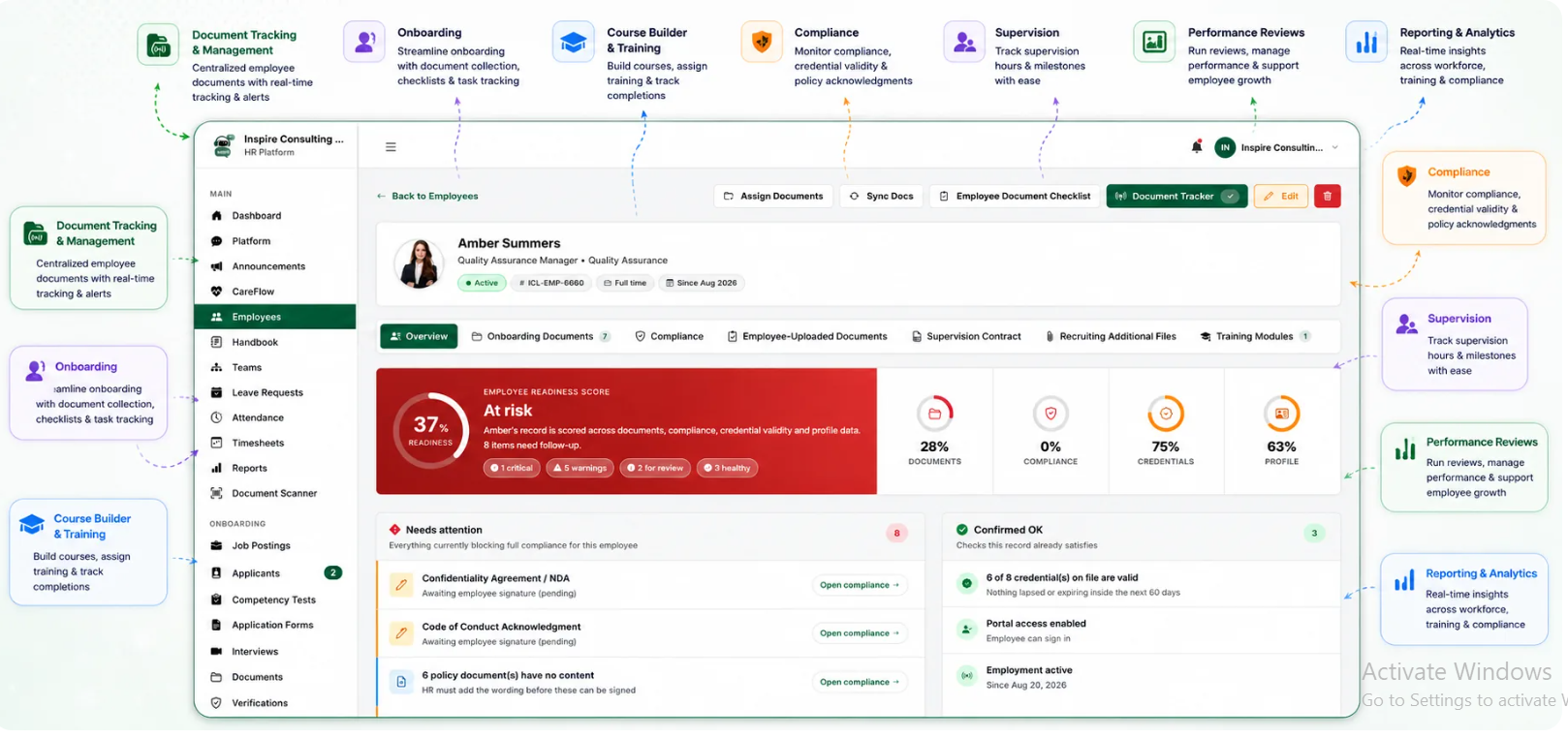
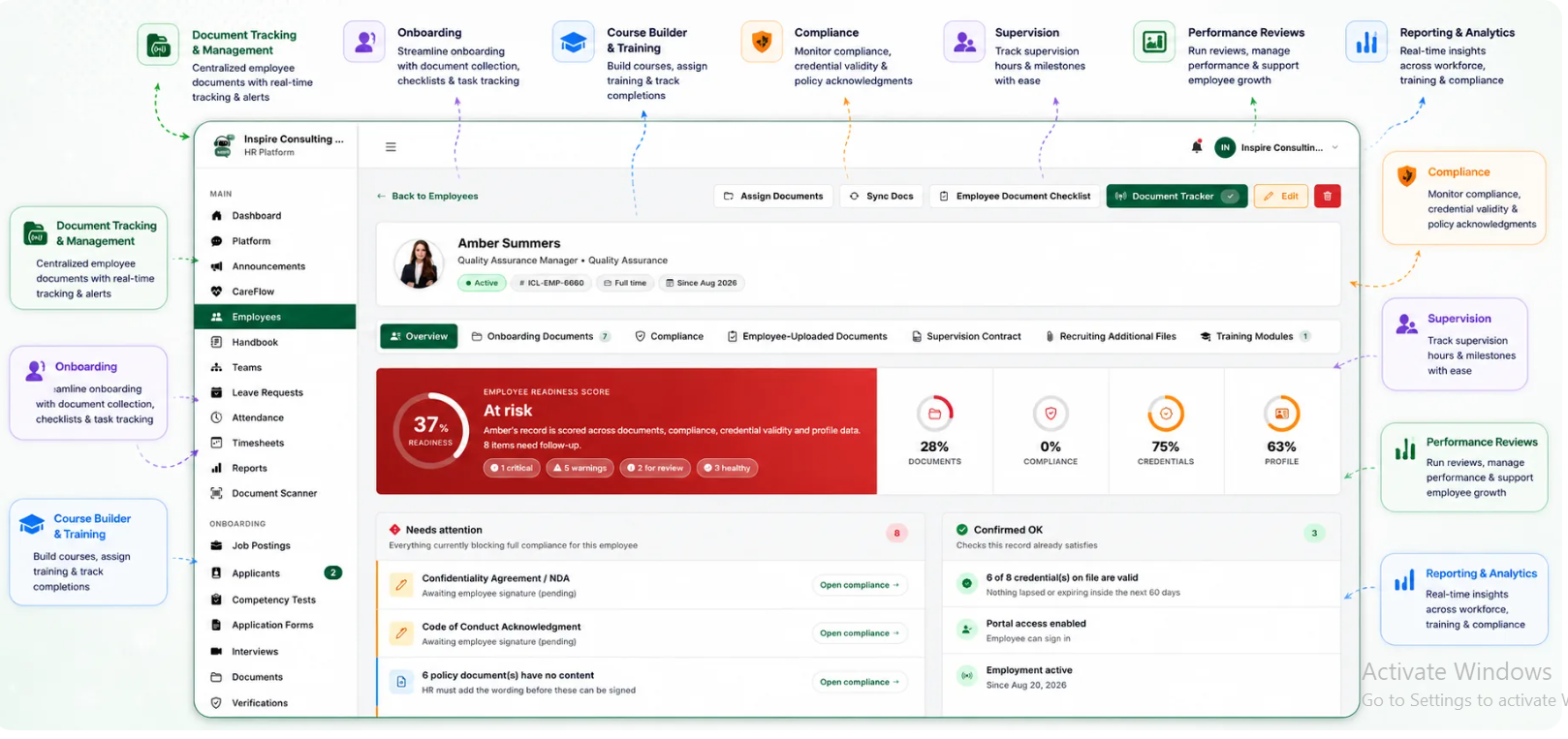
BUAMS HR helps behavioral health organizations centralize employee records, workforce details, and follow-up workflows in one place. For teams trying to manage schedule preference tracking more consistently, that means less dependence on side spreadsheets and supervisor memory. Preference details can live closer to the employee record, alongside the role, site, and readiness context that staffing decisions actually depend on.
That structure makes it easier for HR and operations to review changes, keep temporary constraints visible, and support fairer conversations about coverage. Instead of rebuilding context every time a shift opens, teams can work from a more complete record of employee preferences and workforce needs.
For growing providers, this kind of organization matters. Cleaner preference tracking does not eliminate scheduling pressure, but it can reduce unnecessary friction and make workforce decisions feel more consistent across programs.
Final Thoughts
Schedule preference tracking software gives behavioral health providers a practical way to bring more clarity to one of the messiest parts of workforce coordination. When employee preferences are documented, current, and reviewed alongside assignment requirements, HR teams can reduce repeated confusion and support coverage decisions with more confidence.
In a field where burnout, fairness, and flexibility all affect retention, better preference visibility is more than an administrative convenience. It is part of building a workforce process that employees and supervisors can trust.