Behavioral health providers often rely on temporary, provisional, trainee, or associate-level licenses to bring clinicians into care settings while they complete supervision hours, examinations, or final board approvals. That flexibility helps organizations hire sooner, but it also creates a narrow compliance window. Temporary license tracking software gives HR teams a structured way to monitor issue dates, expiration dates, supervision requirements, conversion milestones, and assignment limitations before a staffing plan turns into a compliance problem.
This is especially important in behavioral health because a provisional credential is rarely just an HR record. It can affect who may provide services independently, what level of oversight is required, which documentation must be retained, and whether a clinician can continue working at a site if conversion deadlines slip. When organizations manage those details with spreadsheets, inbox reminders, or supervisor memory, they increase the risk of expired credentials, preventable assignment errors, and last-minute scheduling disruption.
Key Takeaways
What Is Temporary License Tracking Software?
Temporary license tracking software is a workflow used to organize time-sensitive professional approvals that allow a clinician to begin work before full independent licensure is complete. In behavioral health settings, that can include associate counselors, provisional therapists, trainees, newly hired clinicians awaiting final board action, or staff working under interim approval with supervision conditions.
The workflow should do more than store a copy of the credential. It should show when the temporary approval was issued, when it expires, what renewal or conversion steps remain open, whether a supervising clinician has been assigned, and what restrictions apply to the employee’s role. It should also make it easy to document updates when staff pass an exam, submit new paperwork, change supervisors, or receive permanent licensure.
The goal is not simply to remember an expiration date. The goal is to keep the entire readiness path visible so the organization can support the clinician and protect service continuity at the same time.
Why It Matters for Behavioral Health Providers
Temporary credentials are common in behavioral health because many roles depend on post-graduate supervision, board review, or progressive licensure stages. Providers may hire promising candidates who are qualified to begin work under supervision but are not yet cleared for every responsibility the organization would eventually like them to hold. If HR, supervisors, and operations teams do not share the same visibility, staff can be scheduled, documented, or presented to referral partners in ways that do not match their current approval status.
The operational risk is real. A clinic may assume a provisionally licensed therapist can keep a full caseload even though a renewal packet has not been submitted. A residential program may continue assigning a clinician after a temporary approval expires because no alert reached the scheduler. A supervisor may leave the organization, but no one updates the supervision relationship tied to that clinician’s credential status. In each case, the gap started as a tracking problem before it became a compliance or coverage problem.
There is also a retention angle. Provisional clinicians often need a great deal of follow-up during their first year, including board documentation, supervision evidence, exam planning, and deadline reminders. When the employer keeps that process organized, staff are more likely to feel supported rather than chased. That creates a better onboarding and development experience while lowering the chance of avoidable lapses.
What to Track in a Temporary License Workflow
An effective workflow starts with the credential itself, but it should quickly expand into the surrounding readiness steps. Behavioral health organizations need to know not only whether a temporary credential exists, but whether the employee is still meeting all of the conditions attached to that status.
For many teams, the most valuable improvement is linking temporary licensure to supervision and assignment rules. If a clinician may only work under a named supervisor, that relationship should be visible. If the credential depends on exam completion, renewal, continuing education, or a board response, those milestones should sit in the same record rather than across separate files and email threads.
Common Failure Points to Avoid
One common mistake is treating a temporary credential like a permanent one once the initial file is complete. That mindset ignores the fact that provisional approvals usually carry more moving parts, tighter deadlines, and more dependency on supervisor follow-up. Another mistake is tracking the credential while failing to track the supervision relationship. If the assigned supervisor changes, goes on leave, or no longer meets the role requirement, the employee’s compliance picture may change immediately.
Behavioral health providers should also avoid relying on a single expiration alert. Temporary approvals often require action well before the final date, whether that means collecting updated paperwork, confirming exam registration, or escalating a board delay. A workflow that only warns the team a few days before expiration is often too late to protect staffing plans.
A final problem is weak coordination between HR and operations. If credential status changes but schedulers, site leaders, or program managers do not see the update, the organization may continue making assignments based on outdated assumptions. Good tracking should support better decisions, not just cleaner storage.
Best Practices for Staying Ahead of Conversion Risk
The strongest organizations create a standard lifecycle for every temporary credential. They define when the credential is collected, who reviews it, when the first check-in happens, how supervision is confirmed, and what milestones should be reached before renewal or expiration windows open. That turns an unpredictable process into a repeatable one.
It also helps to build earlier escalation points. Instead of waiting until a provisional approval is almost expired, HR can review upcoming deadlines 30, 60, or 90 days out depending on the board cycle and the role. That gives clinicians time to finish paperwork, supervisors time to confirm documentation, and leadership time to prepare coverage alternatives if a delay appears likely.
Another best practice is to connect conversion progress to workforce planning. If a provider expects a clinician to move from supervised work into more independent coverage, the team should know whether that transition is actually on track. That improves hiring forecasts, caseload planning, and site readiness.
How BUAMS HR Helps
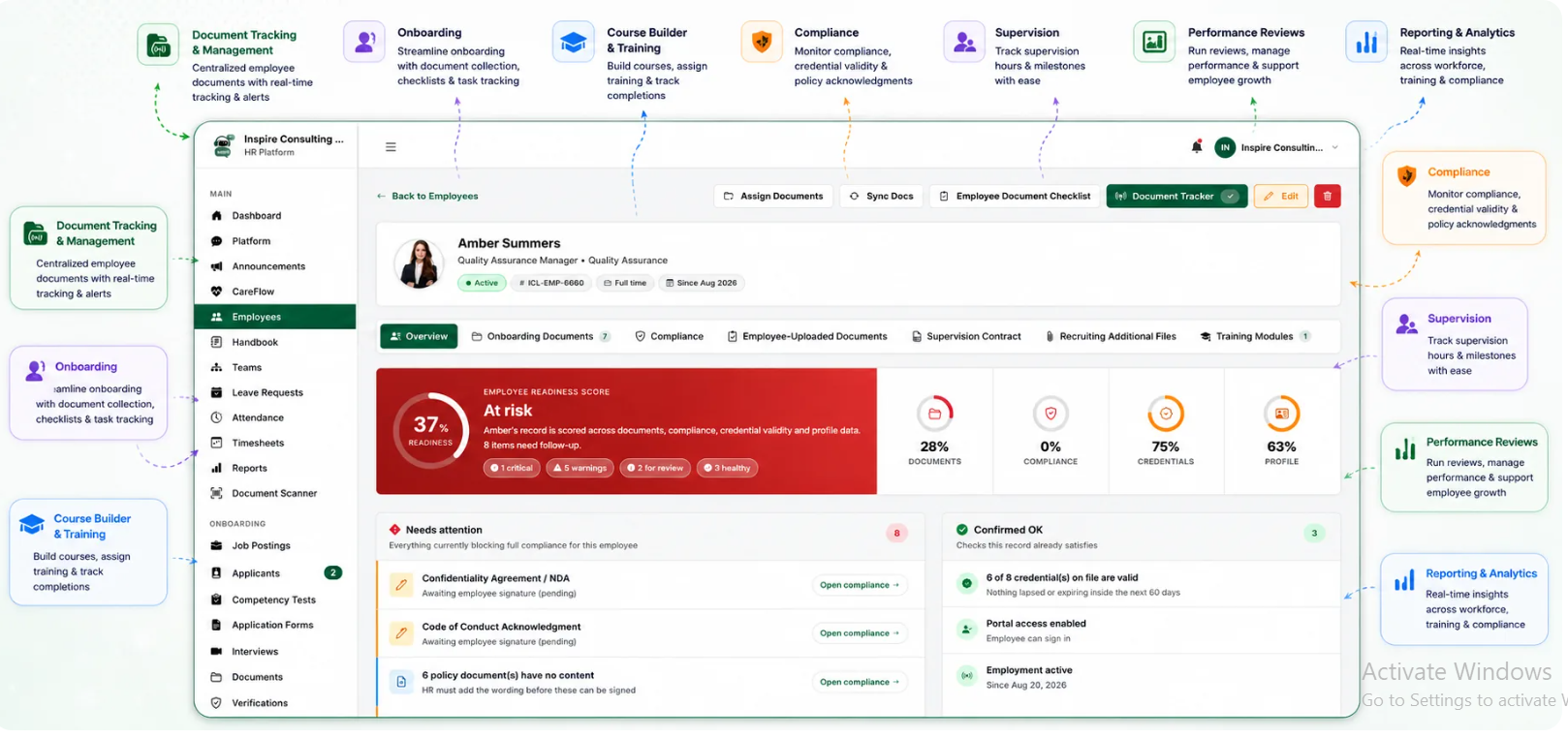
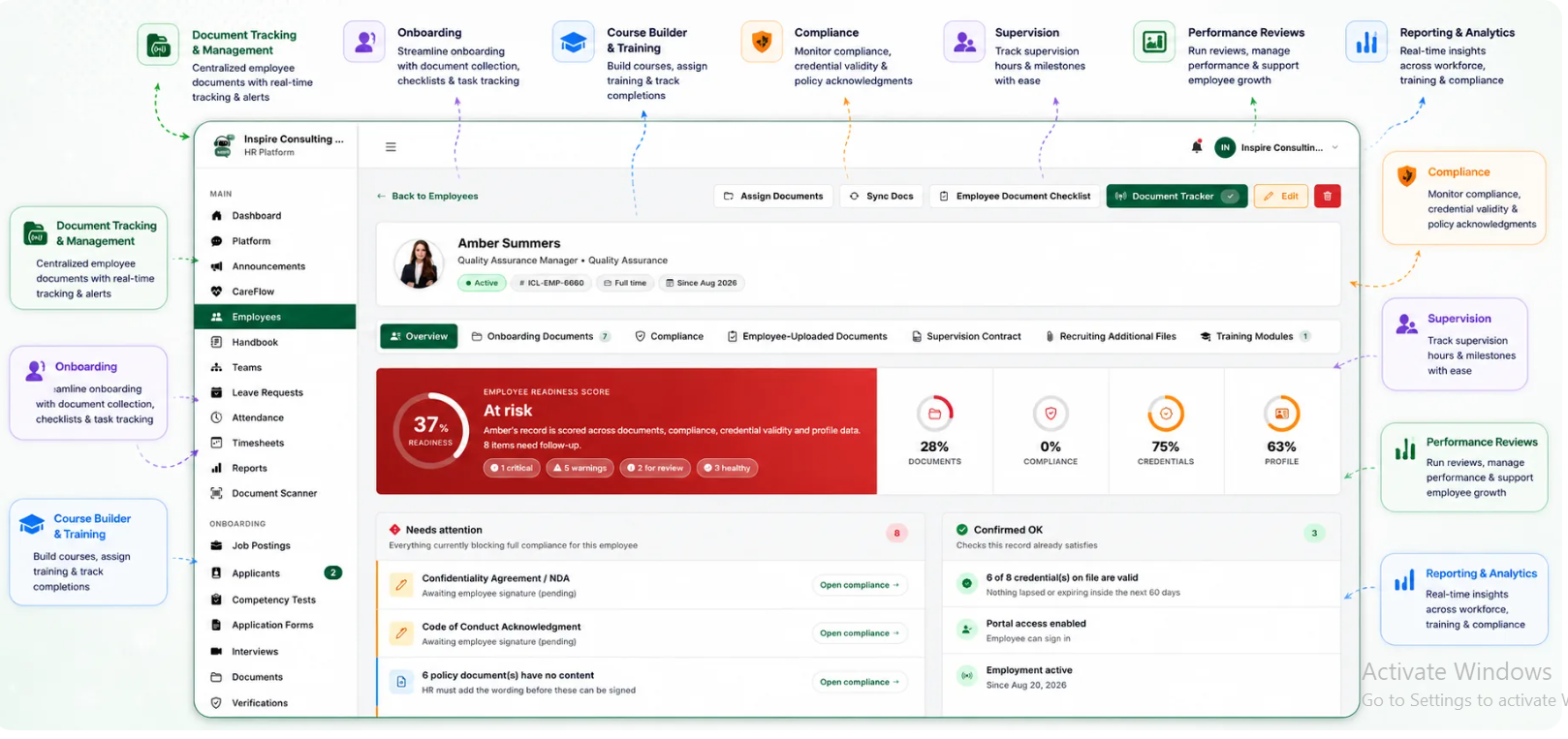
BUAMS HR helps behavioral health providers organize employee compliance records, supervision-related workflows, and readiness checkpoints in one system. For teams managing provisional or temporary credentials, that structure makes it easier to connect the credential record to the employee file, role expectations, deadline tracking, and follow-up tasks that determine whether a clinician can stay on track toward full readiness.
Instead of relying on disconnected spreadsheets and email reminders, organizations can keep credential milestones, required documentation, and supervisory context visible in a cleaner workflow. That supports faster internal follow-up, better audit preparedness, and more confident staffing decisions when temporary approvals carry limits or deadlines.
For behavioral health providers trying to reduce compliance surprises without slowing hiring, that kind of visibility matters. BUAMS HR helps teams stay organized around the details that often determine whether a promising new clinician keeps moving forward or becomes a last-minute risk.
Final Thoughts
Temporary license tracking software gives behavioral health providers a practical way to manage one of the most sensitive parts of clinician readiness. When provisional credentials, supervision requirements, and conversion deadlines are visible, teams can support employees more effectively and reduce avoidable compliance exposure.
In an environment where staffing gaps can directly affect access to care, better control over temporary credential workflows helps organizations protect continuity, improve documentation, and make smarter workforce decisions before a deadline becomes a crisis.