Workforce Credential Management Software for Behavioral Health Providers: How to Keep Renewals, Role Readiness, and Compliance Evidence Aligned
Behavioral health organizations depend on qualified staff, but keeping credentials organized across roles, locations, and renewal cycles is rarely simple. HR teams often have to monitor licenses, certifications, supervisory requirements, and supporting documentation while also helping managers hire, onboard, and retain staff. When this information lives in disconnected spreadsheets and folders, small oversights can turn into hiring delays, expired qualifications, or stressful audit preparation.
Workforce credential management software gives providers a more reliable way to track what each employee needs, when renewals are coming due, and where supporting evidence lives. For behavioral health agencies that need strong compliance and cleaner workforce operations, that structure can reduce risk without adding more administrative burden.
Key Takeaways
What is workforce credential management software?
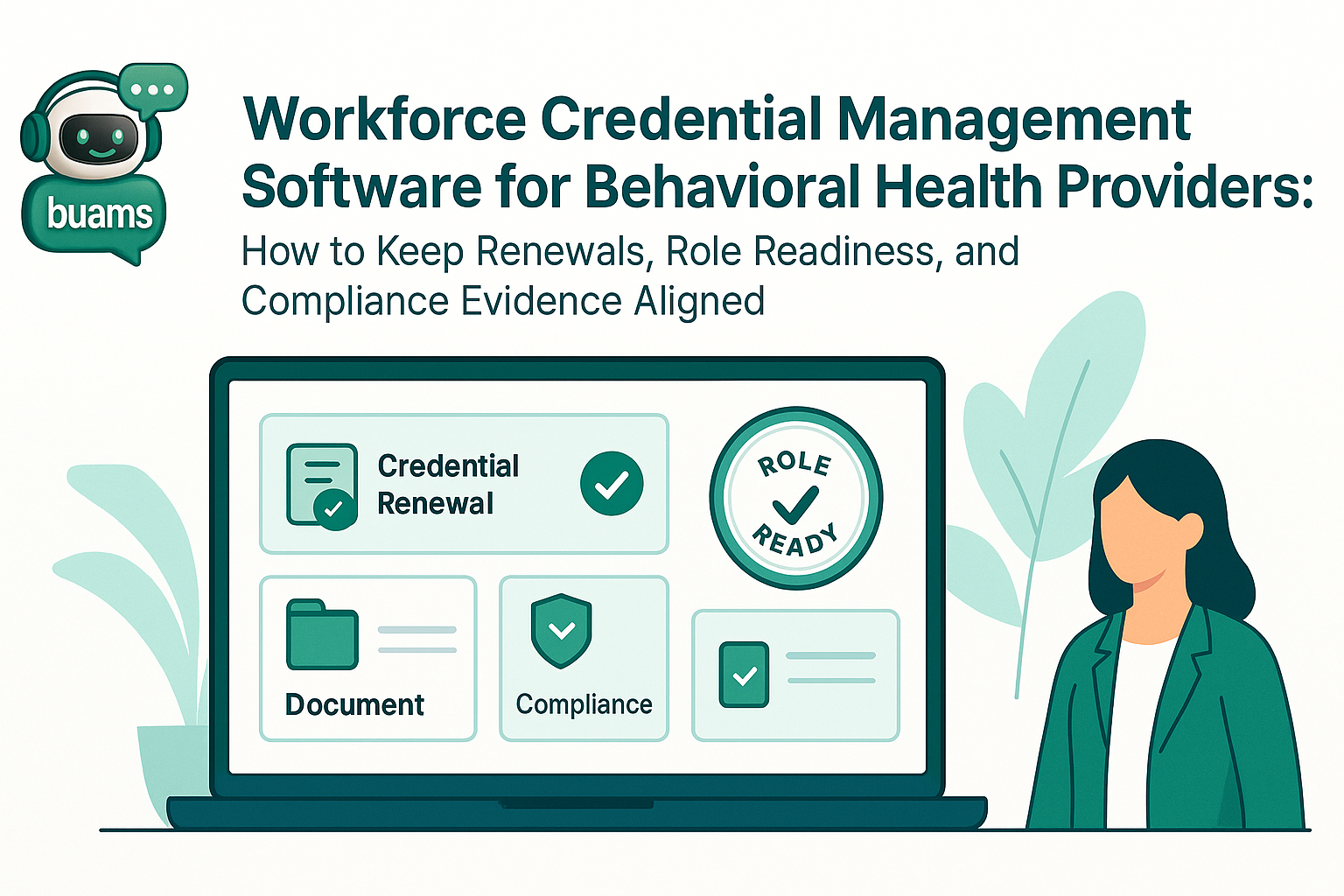
Workforce credential management software is a system that helps organizations track role-based qualifications, renewal dates, supporting documents, and status visibility for employees across the workforce. Instead of treating credentials as isolated paperwork, it creates an operational workflow around who needs what, when action is required, and whether the organization has the right evidence on file.
In behavioral health, that may include professional licenses, certifications, training completion records, supervision-related documentation, background screening records, and role-specific requirements tied to payer expectations or internal policy. A strong system helps HR teams keep all of that aligned with real staffing needs.
Why it matters for behavioral health providers
Credential gaps can affect much more than compliance reporting. They can delay start dates, limit scheduling flexibility, create supervision concerns, and expose the organization to avoidable risk. When leaders do not have a clear view of staff readiness, they may discover problems only after a renewal date passes or a file is requested for review.
Behavioral health providers also face complexity that general employers may not. Requirements can vary by program, discipline, service setting, and level of responsibility. A clinical supervisor, direct care worker, and administrative employee may all need different combinations of documentation. Without a structured system, consistency becomes hard to maintain as the organization grows.
Common breakdowns in manual credential tracking
Many organizations start with spreadsheets and calendar reminders because they feel fast and familiar. The problem is that manual processes usually depend on a few people remembering where everything is, which version is current, and who already followed up.
What to look for in a practical system
The best system does more than send reminders. Behavioral health HR teams need a workflow that supports accountability, fast retrieval, and role-aware tracking.
Role-based requirement mapping
A useful platform should make it easy to define which credentials or documents apply to which roles. That prevents teams from relying on memory or one-off checklists when positions change or new programs are added.
Document storage tied to status
It is not enough to know that a renewal is due. Teams also need fast access to the latest license copy, certificate, acknowledgment, or related evidence. When status and documents are connected, follow-up becomes much easier.
Clear alerts and ownership
Notifications matter, but they work best when responsibility is also clear. HR, supervisors, and program leaders should know who is expected to act, who can monitor progress, and what remains incomplete.
Visibility across onboarding and active employment
Credential management should not stop after hiring. A strong workflow carries forward from pre-start readiness through recurring renewals, updated role requirements, and ongoing file maintenance.
Best practices for keeping workforce credentials under control
Technology works best when paired with simple operating habits that teams can sustain.
How BUAMS HR helps
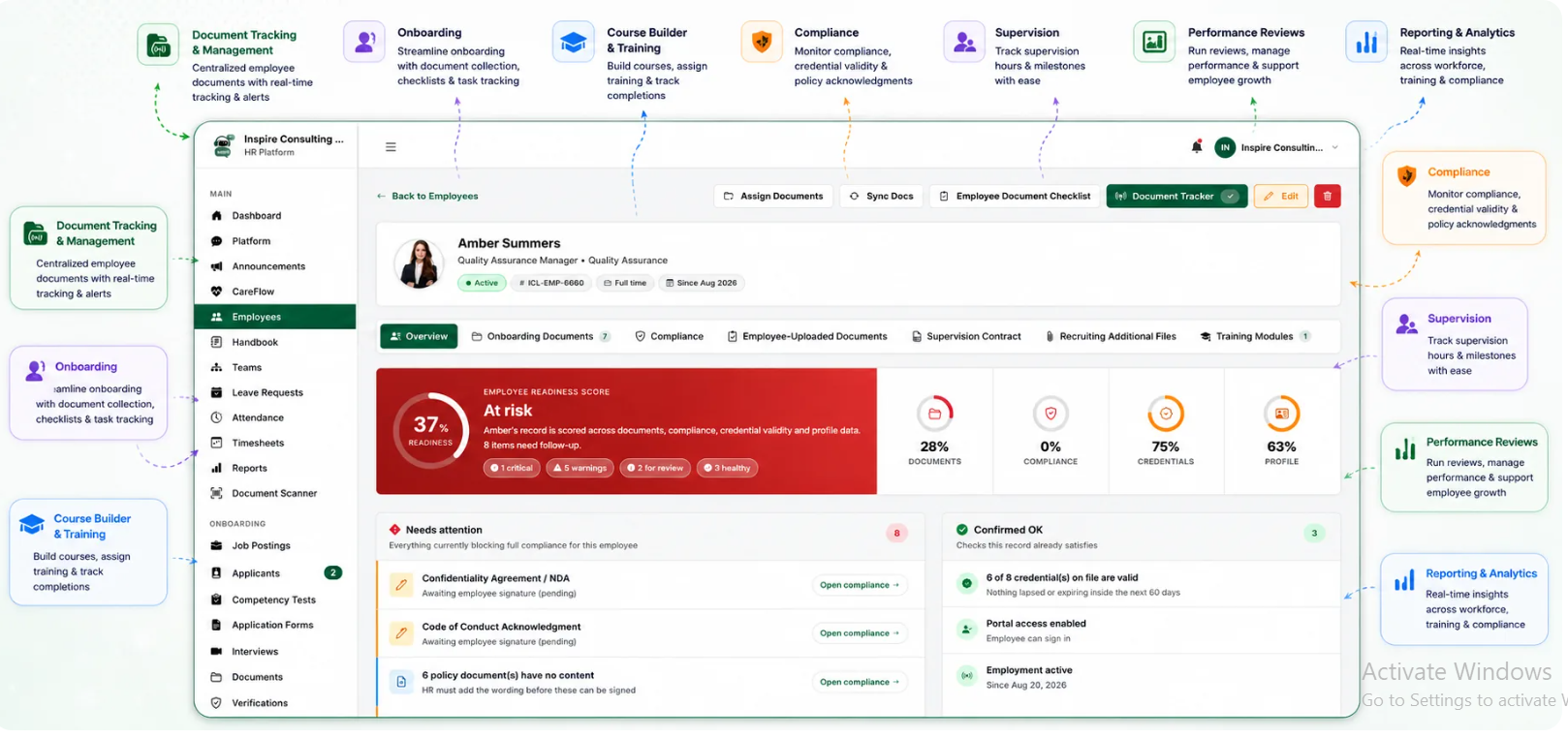
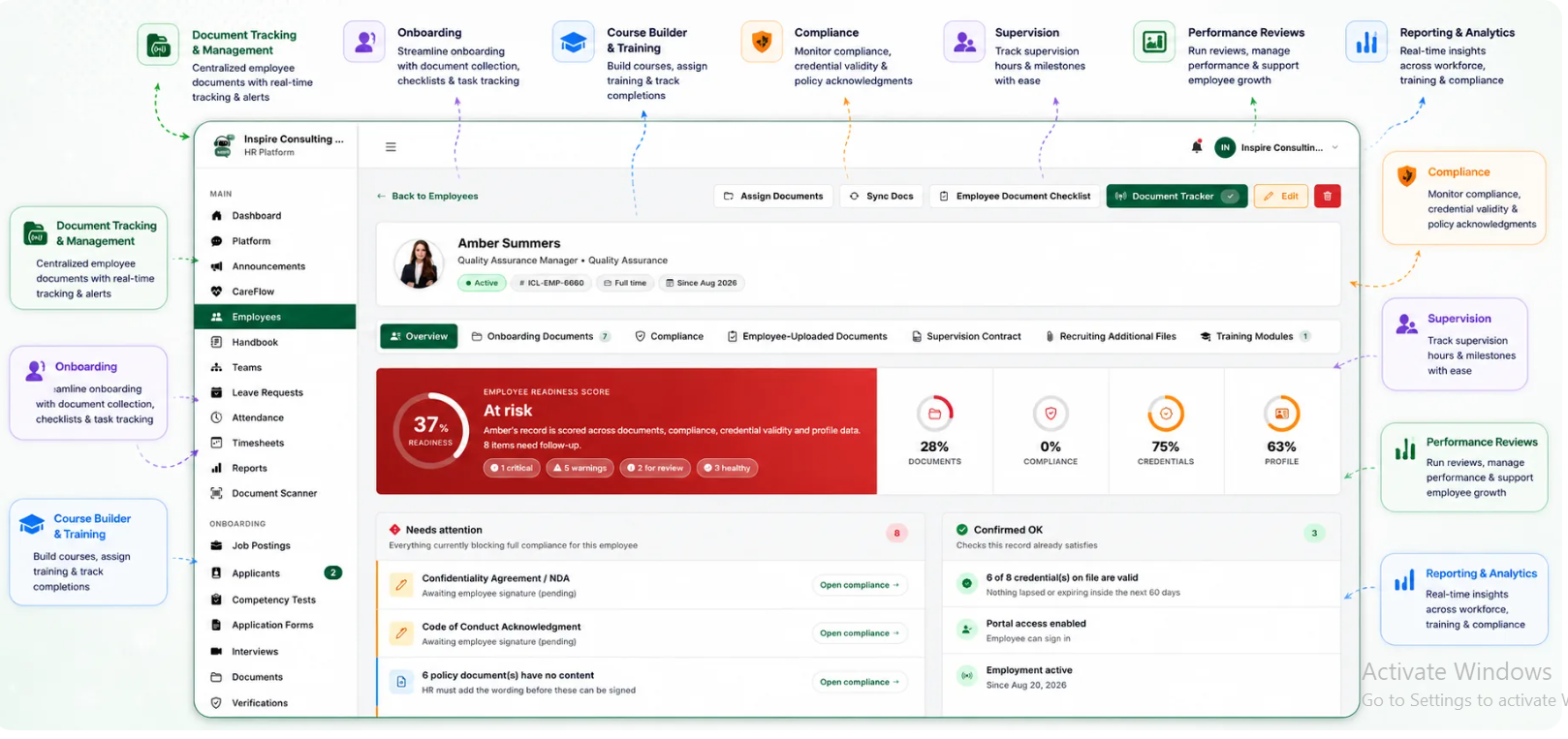
BUAMS HR helps behavioral health providers bring workforce information into a more organized, connected system. When employee files, onboarding steps, and compliance-related documents are easier to manage in one place, teams can spend less time chasing paperwork and more time supporting readiness across the organization.
That matters for agencies that need to keep renewals visible, reduce disconnected handoffs, and respond quickly when managers or auditors ask for documentation. A cleaner system helps HR leaders maintain confidence that staff records reflect current responsibilities and required evidence.
Final thoughts
Workforce credential management software is valuable because it turns a fragile manual process into a repeatable operational one. For behavioral health providers, that means fewer surprises, better visibility into staff readiness, and a more dependable way to support hiring, compliance, and everyday workforce decisions.
As organizations grow, the challenge is not just collecting more documents. It is keeping qualifications, role expectations, and proof of compliance aligned over time. A practical system helps make that possible.