Behavioral Health Employee Retention: Strategies to Keep Employees Engaged
Employee retention is an important challenge for behavioral health organizations. Therapists, counselors, clinical supervisors, and support staff play an essential role in delivering consistent care. When experienced employees leave, organizations may face recruitment costs, staffing gaps, increased workloads, and disruptions to team continuity.
Retaining employees requires more than offering competitive salaries. Organizations also need supportive leadership, clear expectations, professional development opportunities, and organized human resources processes.
With a structured employee retention strategy, behavioral health organizations can better understand workforce challenges and create an environment where employees want to continue working.
Why Employee Retention Matters in Behavioral Health
Behavioral health professionals often work in demanding environments that require emotional commitment, professional responsibility, and consistent interaction with clients.
High employee turnover can create several operational challenges:
- Increased recruitment and onboarding expenses
- Additional workloads for remaining employees
- Loss of experienced staff and institutional knowledge
- Disruptions to team communication and continuity of care
- More administrative work for HR teams and supervisors
Employee departures can happen for many reasons, so organizations should avoid assuming that one solution will work for every employee. Understanding the reasons behind turnover is an important first step.
Common Reasons Behavioral Health Employees Leave
1. Heavy Workloads and Burnout
Behavioral health professionals may manage demanding caseloads, extensive documentation, and emotionally challenging situations. When workloads remain difficult to manage over time, employees may experience exhaustion and consider leaving.
Organizations should regularly review workload expectations, staffing levels, and opportunities for employees to raise concerns.
Supervisors can also help by identifying workload problems early and directing employees toward appropriate organizational support.
2. Limited Career Development
Employees may become dissatisfied when they cannot see a clear path for professional growth.
Behavioral health organizations can support development by identifying training opportunities, discussing career goals, providing relevant supervision, and helping employees understand the qualifications required for more advanced responsibilities.
Development plans should reflect each employee's role, professional requirements, and career interests.
3. Inconsistent Management and Communication
Employees need clear expectations, constructive feedback, and consistent communication from supervisors.
When policies differ between departments or managers fail to address workplace concerns, employees may feel unsupported.
Organizations should establish clear management expectations, provide regular opportunities for feedback, and ensure employees understand how workplace concerns can be raised.
4. Ineffective Onboarding
The employee experience begins before the first day of work. Confusing onboarding procedures, missing documentation, unclear responsibilities, and delayed training can create a frustrating start.
A structured onboarding process helps new employees understand their responsibilities, workplace policies, required training, and available support.
HR teams should also check in with new hires after onboarding to identify questions or problems that may otherwise go unnoticed.
Practical Employee Retention Strategies for Behavioral Health Organizations
Improve the Onboarding Experience
Create a consistent onboarding process for every new employee. Explain job responsibilities, introduce key team members, organize required documents, and ensure that relevant training is completed.
Managers should schedule follow-up conversations during the first few months to discuss progress, workload, and any concerns.
A good onboarding experience helps employees understand how they fit into the organization and where to find support.
Support Professional Development
Provide opportunities for employees to strengthen their skills and work toward relevant career goals.
Depending on the role, this may include professional training, continuing education, appropriate clinical supervision, or preparation for additional responsibilities.
Maintain clear records of training and development activities so managers can identify completed requirements and discuss future learning needs.
Conduct Regular Performance Reviews
Performance reviews should be more than an annual administrative task. Regular conversations can help managers recognize achievements, clarify expectations, and identify barriers affecting employee performance.
Useful review topics include:
- Job responsibilities and performance expectations
- Professional goals and development needs
- Workload and available resources
- Feedback about management and workplace processes
- Opportunities for additional training or support
Performance reviews should encourage constructive discussion rather than focus only on problems.
Recognize Employee Contributions
Employees want to know that their work matters. Recognition can include acknowledging achievements, providing constructive feedback, highlighting professional development, and creating fair opportunities for advancement.
Recognition should be consistent and based on meaningful contributions rather than personal relationships or favoritism.
Monitor Workloads and Staffing Needs
Organizations should regularly review staffing levels, scheduling demands, and workload distribution.
Managers should look for recurring coverage gaps, excessive workloads, and patterns that may indicate employees need additional support.
Where workforce reporting is available, HR teams can use it alongside employee feedback to identify operational issues that may contribute to turnover.
Ask Employees for Feedback
Employee surveys, one-to-one meetings, and exit interviews can help organizations understand why employees stay or leave.
Questions should focus on areas the organization can realistically improve, such as onboarding, communication, workload, training, and management support.
Feedback should be reviewed regularly, and employees should be informed when meaningful changes are made in response to common concerns.
How HR Processes Can Support Employee Retention
Employee retention is influenced by the overall employee experience. Disorganized HR processes can add unnecessary frustration, while clear procedures can help employees and managers work more effectively.
Behavioral health organizations should review the following HR processes:
Employee onboarding: Ensure new employees receive clear information, complete required documentation, and understand their responsibilities.
Training management: Organize learning requirements and maintain accurate completion records.
Credential tracking: Keep relevant licenses, certifications, and renewal information organized according to role requirements.
Performance management: Document reviews, communicate expectations, and support professional development.
Clinical supervision: Where applicable, maintain appropriate supervision arrangements and records according to professional and organizational requirements.
Workforce reporting: Review available workforce information to identify patterns, gaps, and areas that need attention.
These processes do not replace supportive leadership or fair employment practices. They provide an organized foundation for delivering them consistently.
How BUAMS HR Can Help Organize Employee Management
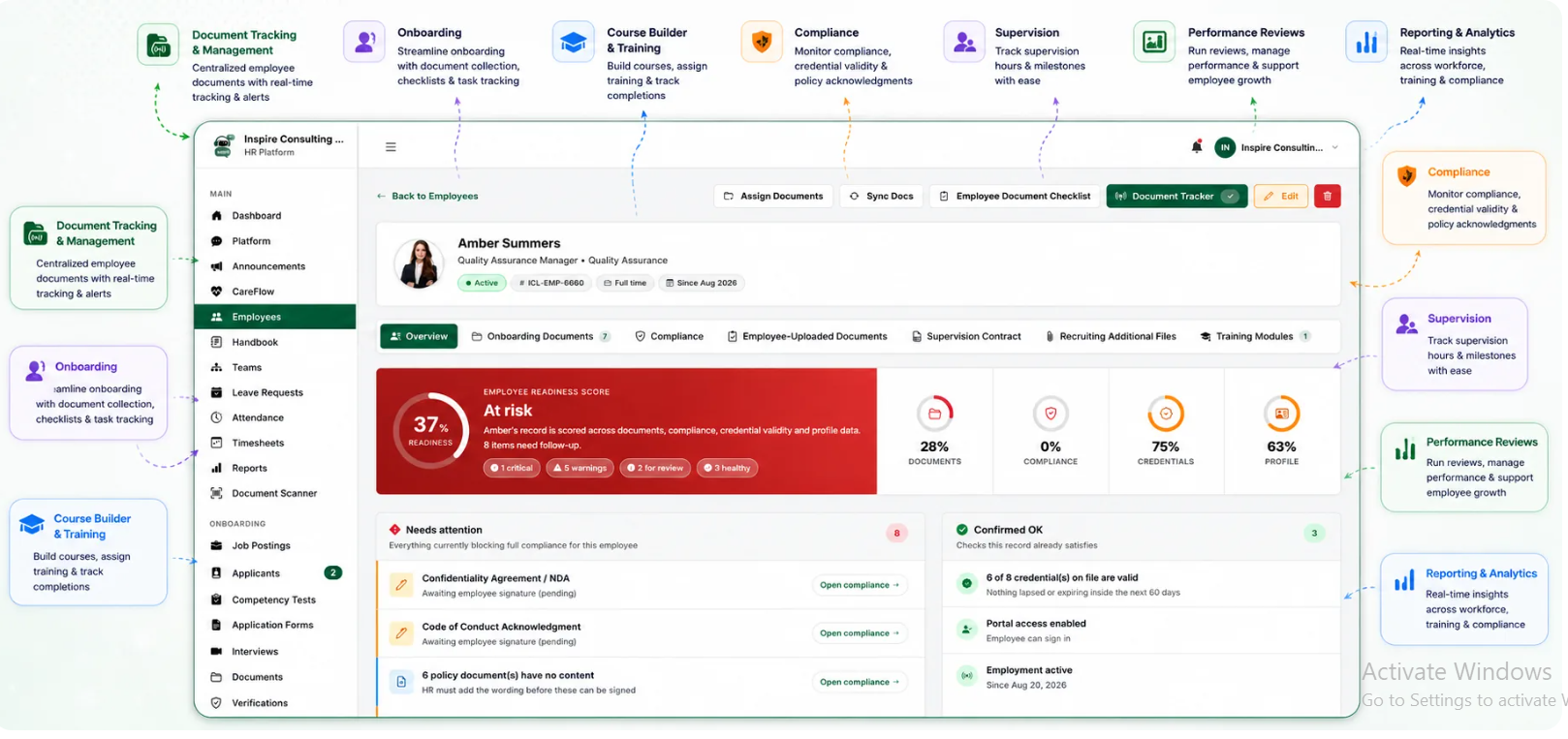
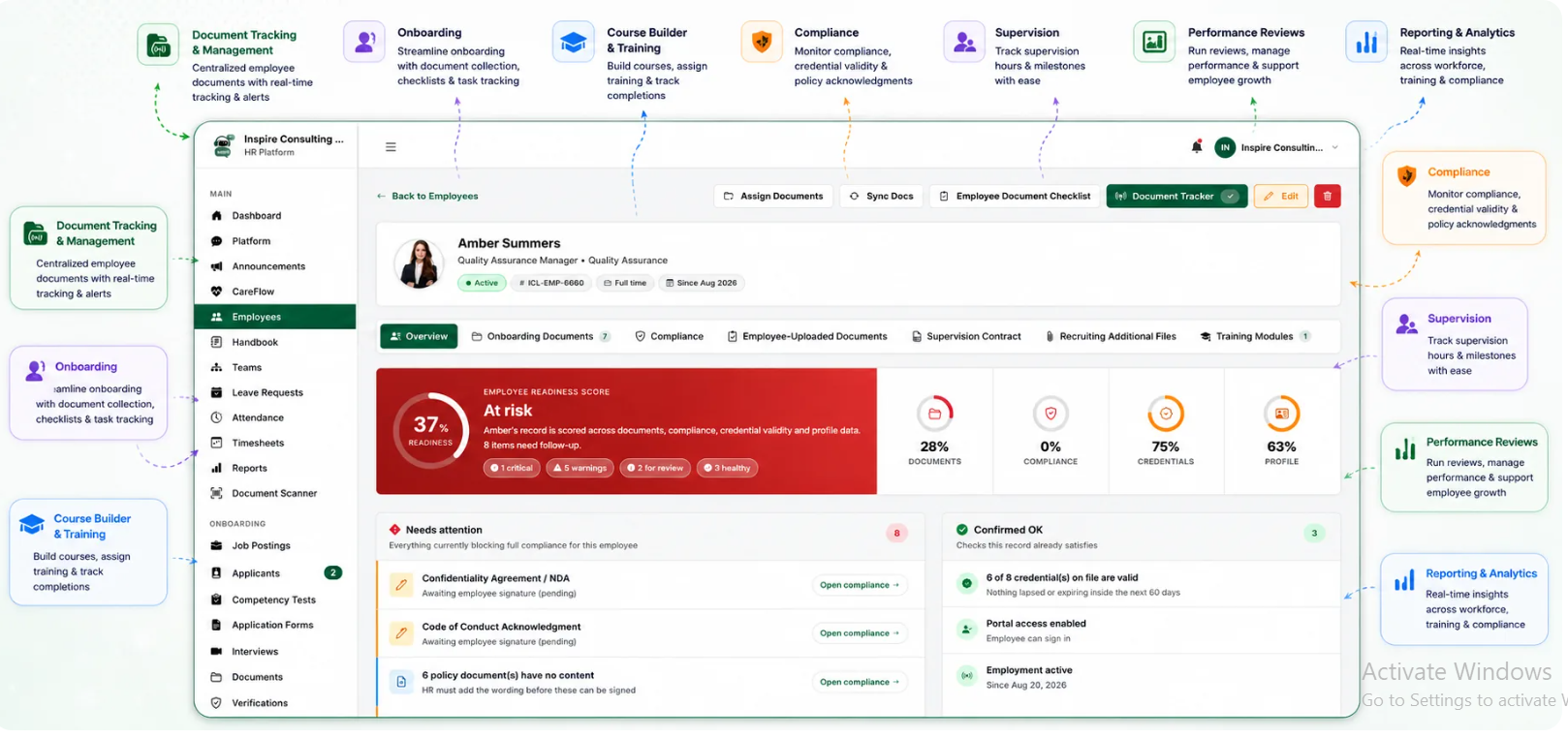
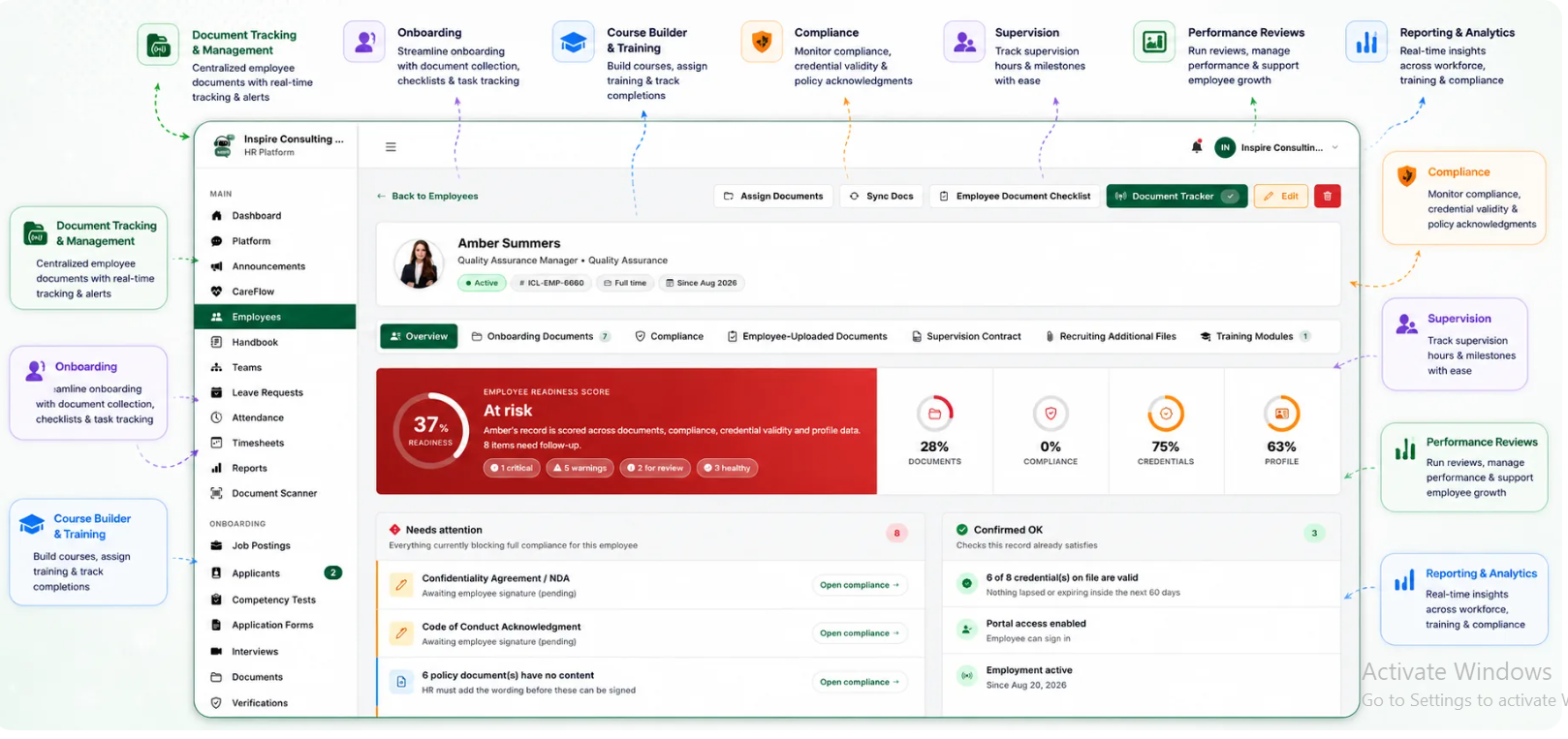
BUAMS HR supports behavioral health organizations in managing workforce processes and employee information.
Depending on the features available, organizations can evaluate BUAMS HR for employee records, onboarding, training management, credential tracking, performance reviews, and related HR workflows.
Organizing these processes can help HR teams maintain clearer records and reduce repetitive administrative work. This may give managers more time to focus on employee communication, professional development, and workplace improvement.
Organizations should confirm the platform's available features and reporting capabilities before implementation.
Measuring Employee Retention Efforts
Behavioral health organizations should evaluate whether their retention strategies are producing meaningful improvements.
Useful measures may include:
- Employee turnover rate
- New-hire retention after 90 days or one year
- Employee feedback and engagement trends
- Training completion rates
- Performance review completion
- Exit interview findings
For example, the employee turnover rate can be calculated by dividing the number of employees who leave during a defined period by the average number of employees during that period, then multiplying by 100.
Organizations should interpret these measures in context. A single number rarely explains why employees leave, and results may vary by role, location, and workforce size.
Build a Workplace Where Employees Can Grow
Employee retention requires ongoing attention to workplace conditions, management practices, and professional development. Behavioral health organizations can make progress by improving onboarding, supporting supervisors, reviewing workloads, recognizing contributions, and listening to employee feedback.
Organized HR processes can support these efforts by making employee information, training records, and performance documentation easier to manage.
BUAMS HR provides workforce management capabilities that behavioral health organizations can evaluate as part of a broader strategy to improve employee management and support long-term workforce stability.
Explore BUAMS HR to learn how its available HR tools may fit your organization's employee management needs.
Frequently Asked Questions
What is employee retention in behavioral health?
Employee retention refers to an organization's ability to keep qualified employees over time while creating a supportive and sustainable work environment.
Why is employee retention important for behavioral health organizations?
Retention can help reduce recruitment and onboarding costs, preserve organizational knowledge, support team stability, and reduce disruptions associated with frequent staffing changes.
How can behavioral health organizations improve employee retention?
Organizations can improve retention by supporting manageable workloads, providing professional development, improving onboarding, recognizing employee contributions, and responding to employee feedback.
How does HR software support employee retention?
HR software can help organize employee records, onboarding, training, credentials, and performance documentation. These processes support employee management, although retention also depends on leadership, workplace conditions, and compensation.
Which employee retention metrics should organizations track?
Organizations may track turnover rates, new-hire retention, employee feedback, training completion, performance review completion, and findings from exit interviews. Metrics should be reviewed together to identify meaningful patterns.