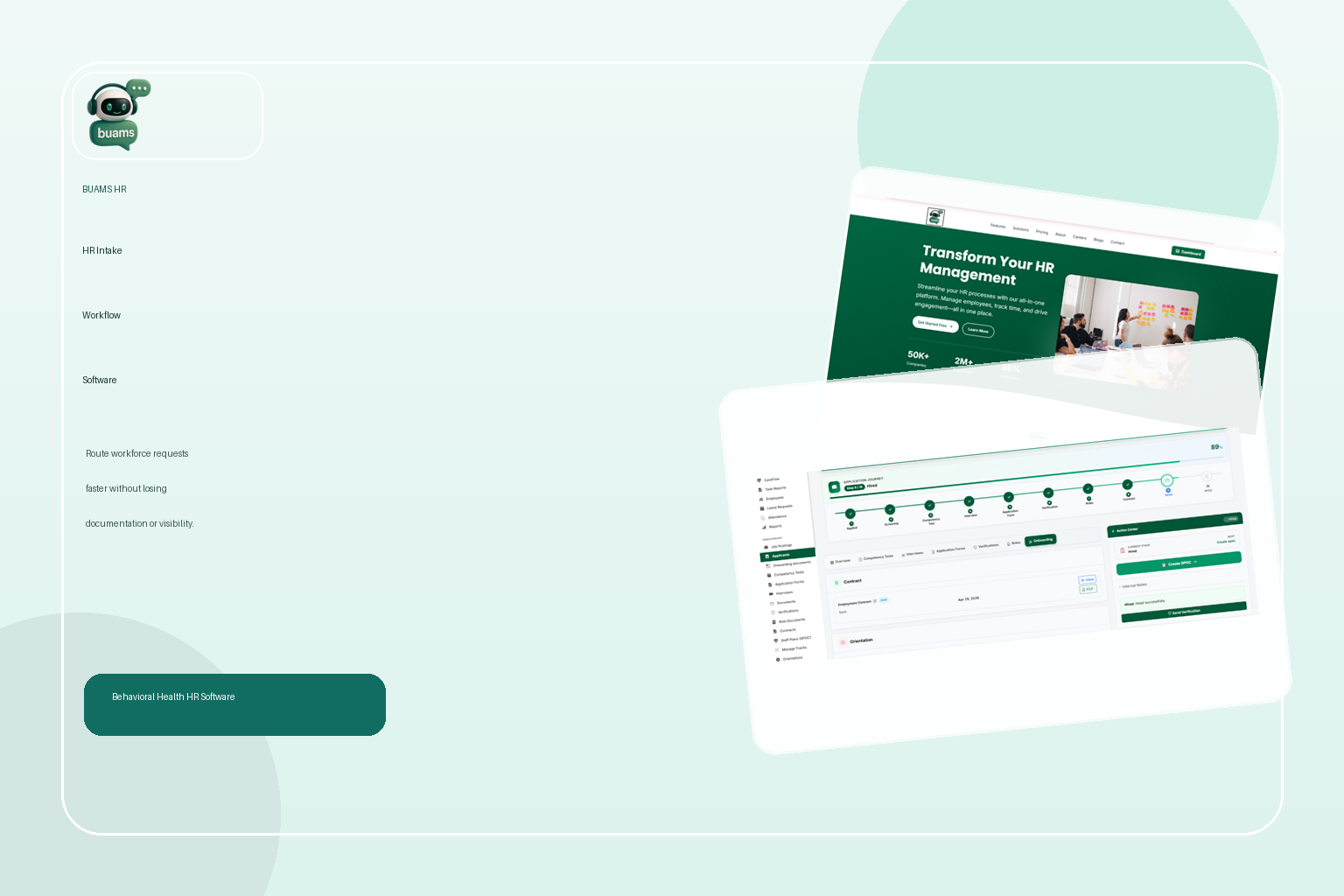
Behavioral health providers deal with a constant stream of workforce requests that do not fit neatly into one inbox. Supervisors need status changes processed, recruiters need approval on offers, compliance teams need missing documents, program leaders need file corrections, and employees need updates to records before payroll, licensing, or onboarding deadlines are affected. When all of those requests move through scattered emails, hallway conversations, spreadsheets, and shared folders, HR teams lose time and leadership loses visibility. HR intake workflow software gives organizations a more reliable way to collect, route, prioritize, and document workforce requests without adding more manual follow-up.
Key Takeaways
What Is HR Intake Workflow Software?
HR intake workflow software is a structured system for collecting and managing workforce-related requests. Instead of asking staff to remember the right person to email or the right form to attach, the software creates a defined path for common HR needs. A request can be submitted, categorized, routed to the correct owner, tracked through review, and closed with documentation preserved in one place.
For behavioral health providers, that structure matters because HR work touches many departments at once. A request about a new hire can involve recruiting, onboarding, credentialing, supervisor assignment, training, and access setup. A request about an existing employee might involve a promotion, a leave, a location change, a file correction, or updated compliance evidence. Intake workflow software helps HR teams handle those requests in a repeatable way rather than rebuilding the process each time.
Why It Matters for Behavioral Health Providers
Behavioral health organizations often run lean HR teams while supporting multiple sites, service lines, and job types. The same day can include urgent hiring questions, documentation follow-up for audits, corrections to employee records, and manager requests tied to program operations. If intake is informal, the loudest request often gets attention first while lower-visibility items sit unresolved until they become bigger problems.
That risk is higher in organizations with high hiring volume, distributed supervisors, telehealth staff, contract clinicians, or frequent internal movement. A missed request can delay a start date, leave a file incomplete, create confusion about approvals, or make leadership think work is finished when it is still sitting in someone's inbox. A defined intake workflow improves responsiveness, but just as importantly, it creates accountability. Teams can see what came in, who owns it, what is blocked, and what still needs follow-up.
What to Look For in HR Intake Workflow Software
Standard request categories
The best systems make it easy to separate different types of HR work, such as hiring requests, employee changes, compliance issues, supervisor follow-up, document corrections, and policy questions. Clear categories help teams route work faster and measure where delays are happening.
Required fields and attachments
Behavioral health HR requests often fail because the original request is incomplete. Good intake tools can require essential information up front, such as employee name, location, effective date, reason for the request, and supporting documentation. That reduces back-and-forth and improves first-pass accuracy.
Routing and ownership
Requests should move automatically to the right coordinator, manager, or reviewer based on category, site, or workflow stage. This is especially useful for multi-site providers where local leaders may submit requests but centralized HR or compliance teams complete the work.
Status visibility
Supervisors and operations leaders should be able to see whether a request is new, in review, waiting on documents, approved, or complete. Visibility reduces duplicate follow-up messages and helps teams set better expectations.
Audit-friendly history
A strong system preserves timestamps, comments, attachments, approvals, and completion records. That matters when HR needs to explain why a change was made, who approved it, or whether required documentation was present before the request moved forward.
Common Problems When HR Intake Is Managed by Email
Many providers still depend on direct emails, shared spreadsheets, and ad hoc messaging for workforce requests. That creates predictable bottlenecks:
These issues are not minor process annoyances. In behavioral health, they can affect staffing readiness, start dates, audits, supervisor confidence, and service continuity. Informal intake may feel flexible at first, but it becomes harder to control as the organization grows.
Best Practices for Building a Better Intake Process
How BUAMS HR Helps
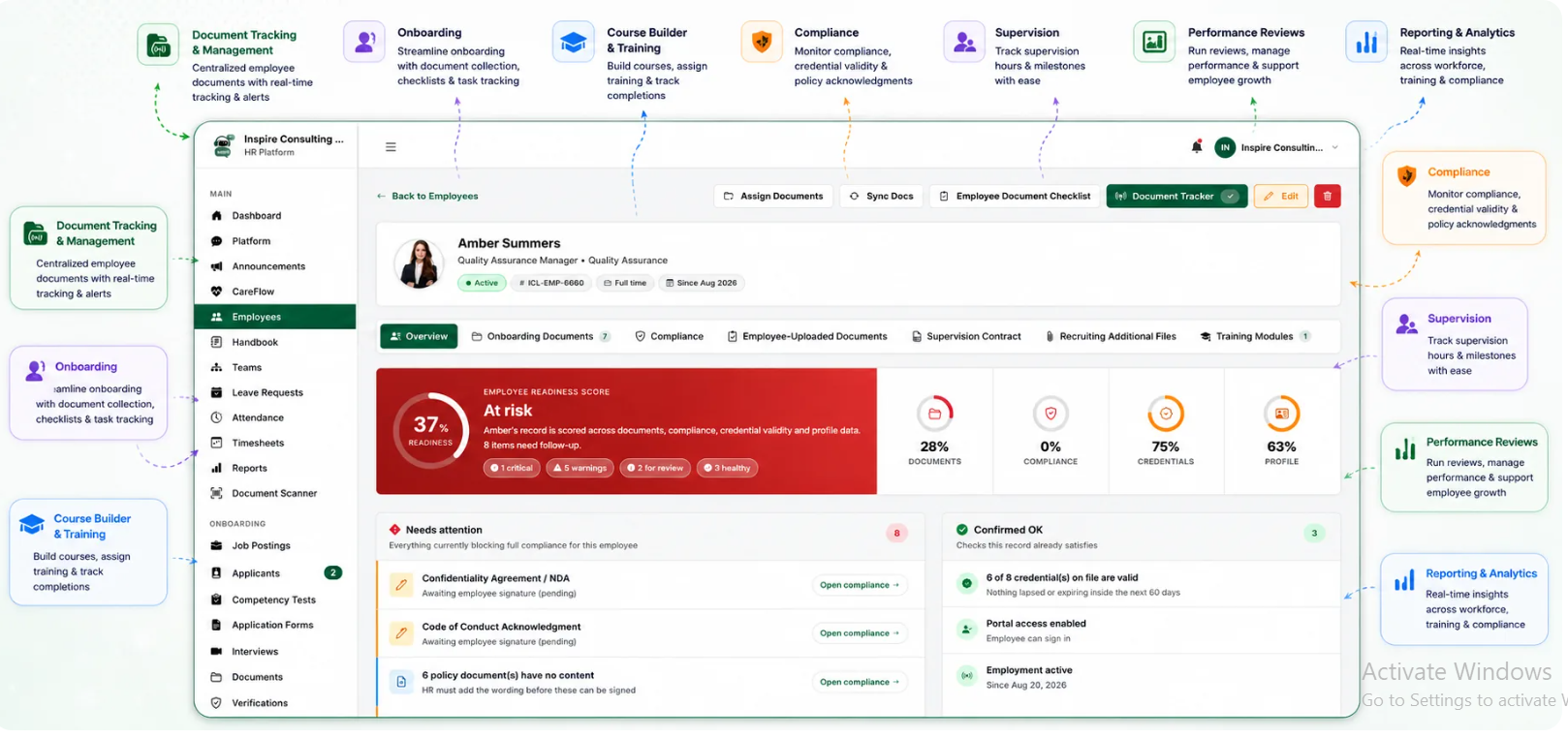
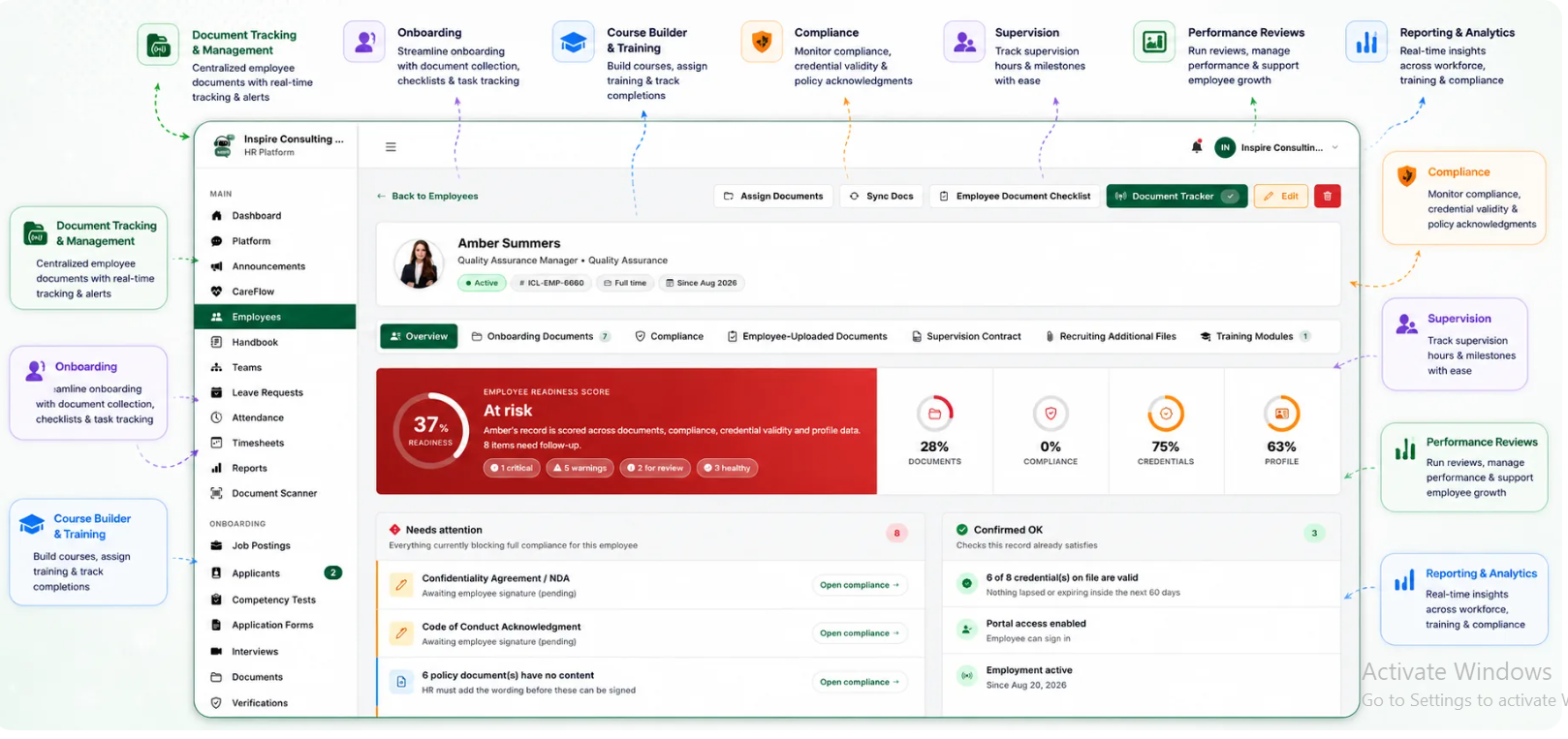
BUAMS HR helps behavioral health providers bring structure to workforce requests without forcing teams into disconnected systems. Requests tied to onboarding, employee records, approvals, compliance follow-up, and role changes can be managed alongside the underlying workforce information that HR already needs. That means teams spend less time digging through inboxes and more time moving work forward with the right documentation attached.
For growing providers, this matters because intake workflow is not just an administrative convenience. It shapes how quickly organizations can act on hiring needs, how accurately they maintain employee records, and how confidently they respond to audits or internal reviews. BUAMS HR supports a cleaner operating model where requests are easier to submit, easier to route, and easier to verify later.
Final Thoughts
HR intake workflow software gives behavioral health providers a better way to manage the front door of HR operations. When requests are standardized, routed intentionally, and documented from the start, teams can reduce avoidable delays and make workforce processes more dependable. For organizations that want fewer email bottlenecks and stronger operational control, BUAMS HR provides a practical foundation for organizing workforce requests at scale.