Behavioral health providers often ask employees to disclose outside employment, referral relationships, financial interests, family connections, and other situations that could create real or perceived conflicts of interest. The policy itself is usually straightforward. The hard part is making sure every disclosure form is completed, reviewed, updated when roles change, and easy to retrieve during audits or investigations. Conflict of interest disclosure software gives HR teams a more reliable way to manage those requirements without chasing forms through email, paper files, or disconnected spreadsheets.
Key Takeaways
What Is Conflict of Interest Disclosure Software?
Conflict of interest disclosure software is a system for managing the collection and review of employee disclosures related to outside work, relationships, gifts, vendor ties, referral arrangements, or other situations that may require oversight. Instead of relying on shared drives and reminder emails, the software gives HR and compliance leaders a structured process for distributing forms, recording responses, routing issues for review, and storing final documentation.
For behavioral health providers, this matters because conflicts are not always dramatic or intentional. A clinician may have secondary employment with another provider. A supervisor may need to disclose a family relationship in the same reporting line. A staff member may participate in a vendor arrangement that requires review under organizational policy. The organization needs a consistent way to capture those disclosures and show that they were handled appropriately.
Why It Matters for Behavioral Health Organizations
Behavioral health organizations operate in environments where trust, documentation, and policy enforcement matter every day. Employees may work across community programs, outpatient settings, school-based services, residential environments, or telehealth models. That complexity creates more opportunities for side arrangements, dual relationships, referral concerns, and supervisory conflicts that need to be documented carefully.
When disclosure tracking is informal, HR teams face several risks at once. Annual attestation cycles get delayed. Managers are unsure who reviewed a disclosure or what decision was made. Forms may exist in a file cabinet but not in the digital employee record. If a regulator, accreditor, investigator, or legal team asks for documentation, the organization may spend hours trying to reconstruct the history of a single issue.
Conflict of interest disclosure software helps reduce those gaps by making the workflow repeatable. Everyone knows when disclosures are due, where to submit them, who owns the review, and where the final record lives after a decision is made.
Common Problems With Manual Disclosure Tracking
What to Look For in Conflict of Interest Disclosure Software
Standardized disclosure collection
The system should help HR deliver the same disclosure process across locations, departments, and employment types. Standardized collection reduces guesswork and makes policy enforcement more consistent.
Employee record linkage
Disclosures should live inside or alongside the employee file, not in a separate inbox or folder structure. That makes it easier to review disclosures during promotions, transfers, investigations, or audits.
Review routing and accountability
Some disclosures can be acknowledged quickly, while others need management, compliance, or executive review. Good software supports clear routing so open issues do not stall in email threads.
Renewal and change-based reminders
Behavioral health providers need reminders for annual cycles as well as for role changes, supervisor changes, and other events that may require an updated disclosure. A one-time form is rarely enough.
Searchable documentation and audit history
Teams should be able to prove when a disclosure was submitted, who reviewed it, what action was taken, and whether any restrictions or follow-up steps were documented. That history matters when questions arise later.
Best Practices for Stronger Disclosure Management
How BUAMS HR Helps
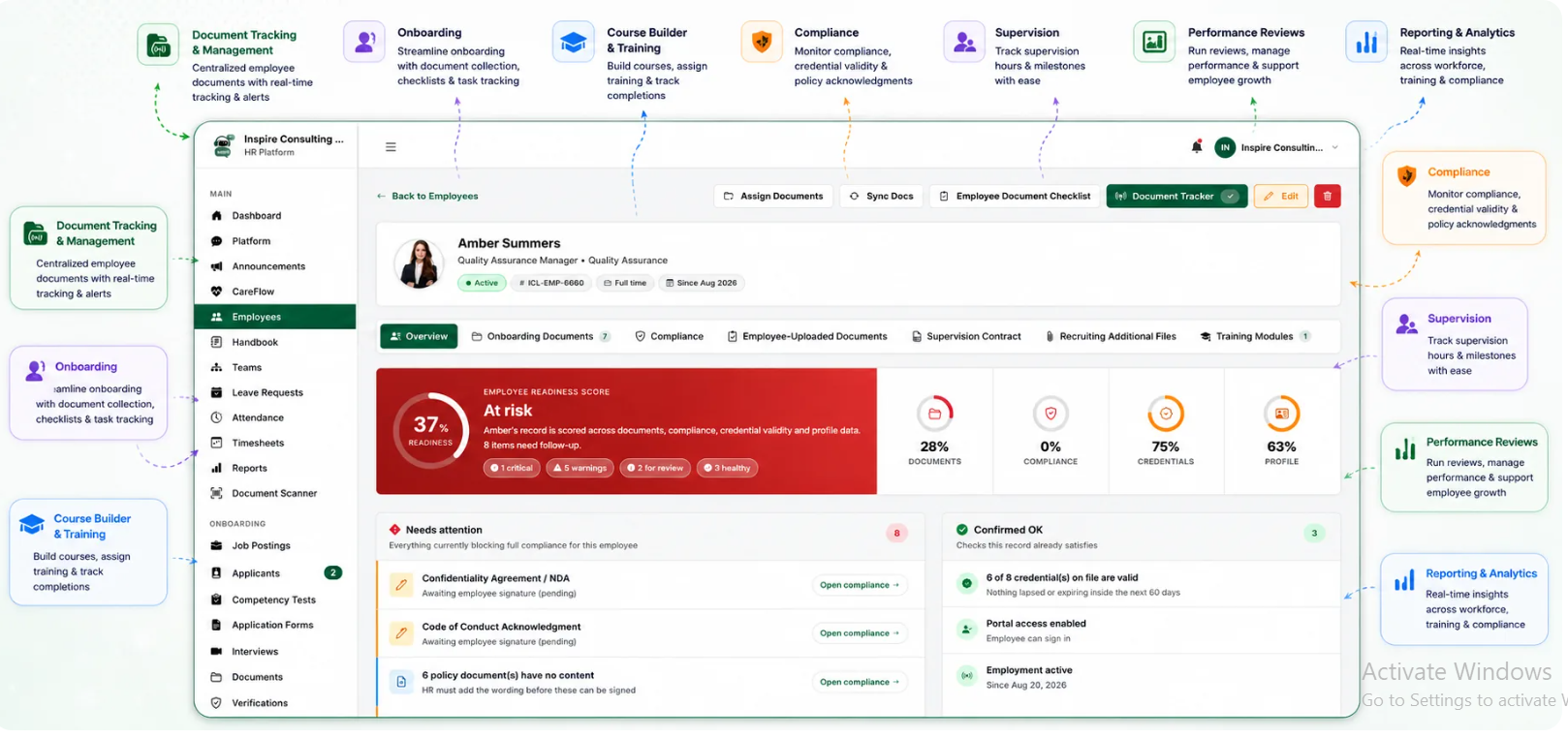
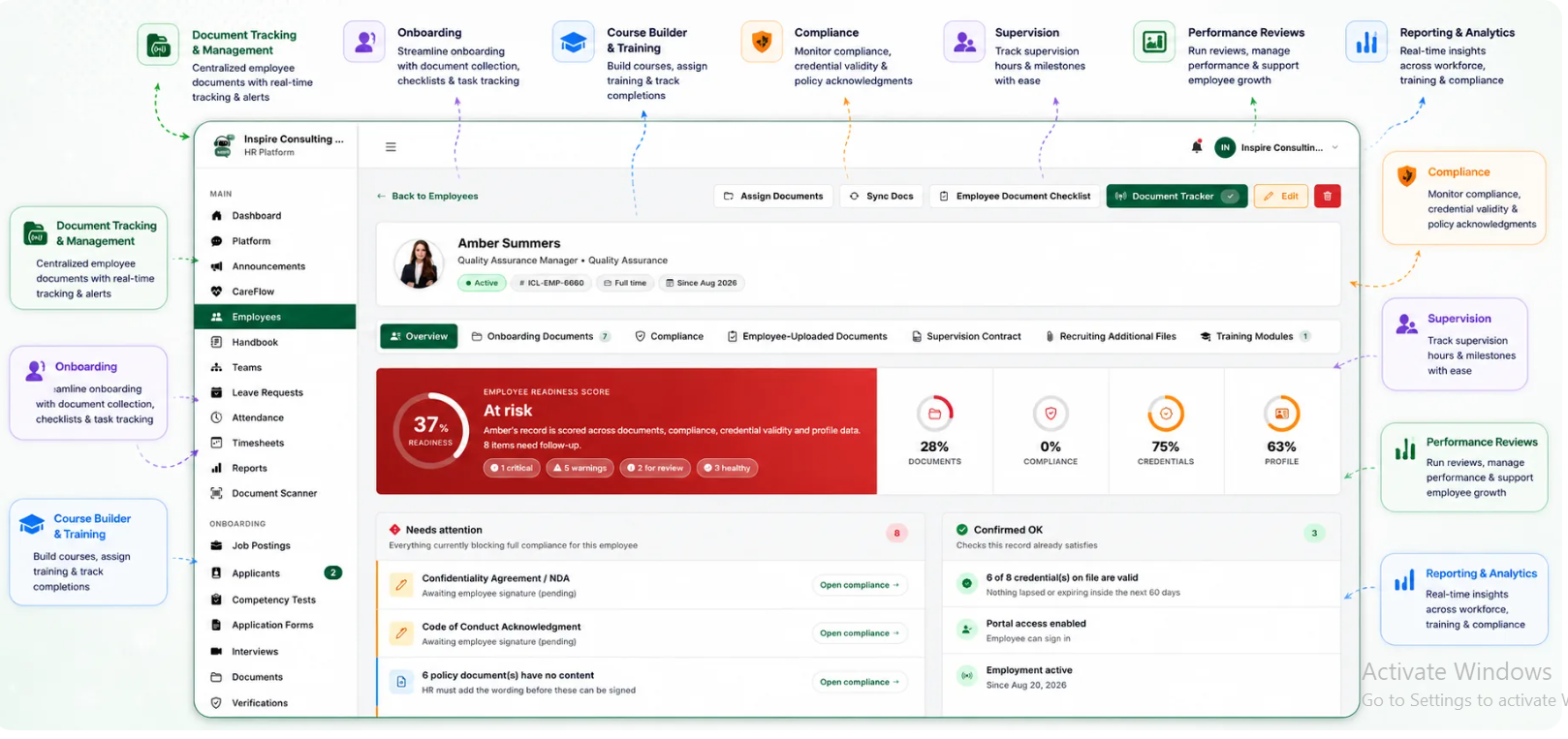
BUAMS HR helps behavioral health providers manage sensitive workforce documentation in a more organized, accountable way. Instead of scattering conflict of interest disclosures across forms, email attachments, and file shares, teams can keep employee records, policy acknowledgments, supporting documents, and compliance follow-up connected in one environment. That makes it easier to see which staff members have completed disclosures, which items still need review, and where final evidence is stored.
For organizations balancing multiple programs or locations, that visibility matters. HR can standardize disclosure collection, managers can participate in the review process without losing documentation, and leadership can respond more confidently when a question arises about policy compliance. BUAMS HR supports a cleaner process for maintaining disclosure records year round rather than reconstructing them under pressure.
Final Thoughts
Conflict of interest disclosure software helps behavioral health providers turn a policy requirement into a manageable workflow. With the right system, HR teams can collect staff disclosures on time, route exceptions for review, preserve an audit trail, and reduce the manual follow-up that often hides risk. For providers that want stronger documentation and steadier compliance operations, BUAMS HR offers a practical foundation for keeping disclosure management organized.