
The Need for Operational Alignment
In today’s complex work environment, organizations in Washington DC face increasing pressure to manage workforce operations, compliance requirements, and service delivery in a structured and efficient way. When systems and departments operate in isolation, inefficiencies grow, communication breaks down, and performance suffers.
Building a unified operational framework allows organizations to connect their processes, teams, and technology into a single, coordinated system. This approach creates clarity, reduces duplication, and strengthens overall performance.
Moving Beyond Disconnected Systems
Many organizations rely on multiple tools for HR, compliance, scheduling, and performance management. While each system may serve a purpose, lack of integration creates silos.
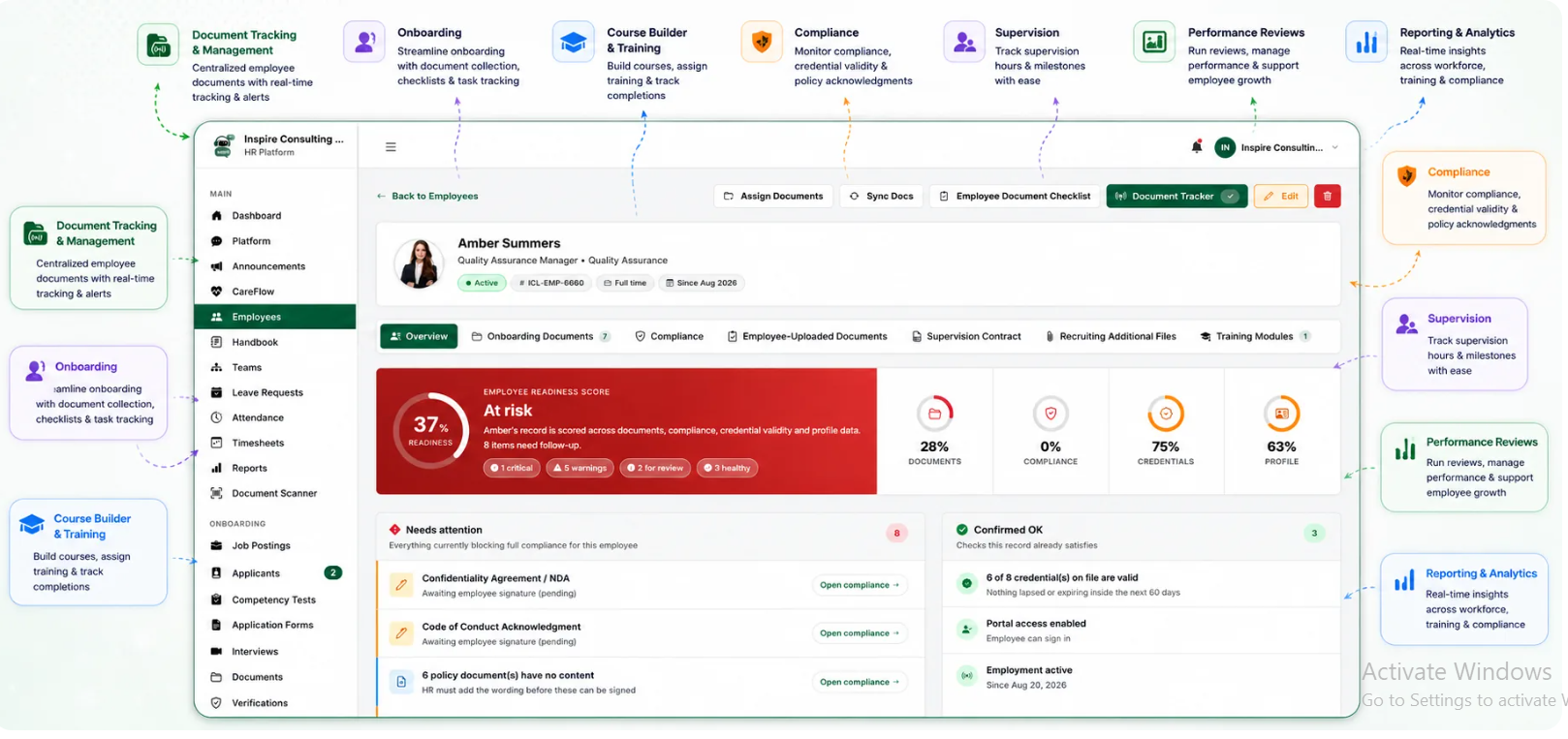
A unified operational framework eliminates these silos by bringing all workforce-related functions into one centralized platform. This ensures that data flows seamlessly across departments, reducing errors and saving time.
For Washington DC organizations, especially those in regulated sectors, this integration supports both operational efficiency and compliance readiness.
Centralizing Workforce Data for Better Visibility
Data is one of the most valuable assets an organization has. However, when it is scattered across different systems, it loses its effectiveness.
A unified framework centralizes workforce data, including employee records, credentials, performance metrics, and compliance documentation. Leadership gains real-time visibility into operations without relying on manual reporting.
This visibility allows executives to make informed decisions quickly and confidently.
Strengthening Compliance and Accountability
Compliance is a critical concern for many Washington DC organizations. Regulatory requirements demand accurate documentation, credential tracking, and consistent reporting.
A unified operational framework embeds compliance into everyday workflows. Automated tracking and centralized documentation ensure that requirements are met without additional administrative effort.
Accountability also improves when processes are standardized. Roles and responsibilities are clearly defined, and leadership can monitor performance across the organization.
Improving Communication Across Teams
Communication challenges often arise when departments operate independently. Misalignment between HR, operations, and leadership can lead to delays and confusion.
A unified operational framework creates a shared system where all teams access the same information. This improves collaboration and ensures that everyone is aligned with organizational goals.
Clear communication strengthens efficiency and reduces operational friction.
Enhancing Workforce Coordination
Coordinating workforce activities becomes easier when systems are connected. Scheduling, staffing, and performance tracking can be managed within a single framework.
This coordination ensures that the right people are assigned to the right roles at the right time. It also helps organizations maintain service quality and meet operational demands.
For Washington DC organizations managing complex teams, this level of coordination is essential.
Reducing Administrative Complexity
Administrative tasks can consume significant time and resources, especially when processes are manual or duplicated across systems.
A unified operational framework reduces complexity by automating workflows and eliminating redundant tasks. Information only needs to be entered once, and updates are reflected across the system.
This efficiency allows HR teams and managers to focus on strategic priorities rather than administrative work.
Supporting Scalable Growth
As organizations grow, operational complexity increases. Without a unified system, managing additional staff, services, and locations becomes difficult.
A unified operational framework scales with the organization. It supports expansion without sacrificing structure or control. Processes remain consistent, and data remains accessible regardless of size.
This scalability is particularly important for Washington DC organizations planning long-term growth.
Enabling Data-Driven Decision Making
Leadership decisions should be based on accurate and timely information. A unified framework provides analytics and reporting tools that turn data into actionable insights.
Executives can track workforce trends, monitor performance, and identify potential risks before they escalate. This data-driven approach improves strategic planning and operational outcomes.
Organizations become more proactive and less reactive.
Strengthening Organizational Resilience
Resilience depends on having systems that can adapt to change. Whether facing workforce disruptions, regulatory updates, or operational challenges, organizations need flexibility.
A unified operational framework provides this flexibility. Centralized systems and automated workflows ensure that operations continue smoothly even during periods of change.
Washington DC organizations benefit from improved stability and reduced risk.
Aligning Workforce Strategy With Organizational Goals
A unified framework connects workforce management with overall business objectives. HR processes, compliance efforts, and operational activities all align with the organization’s mission.
This alignment ensures that every part of the organization is working toward the same goals. It improves efficiency and strengthens long-term performance.
Long-Term Benefits of a Unified Operational Framework
Organizations that invest in unified systems experience lasting benefits. These include improved efficiency, stronger compliance, better communication, and enhanced leadership visibility.
By integrating workforce processes into a single framework, organizations create a solid foundation for growth and sustainability.
Final Thoughts on Building a Unified Operational Framework
Building a unified operational framework is essential for organizations that want to operate efficiently, remain compliant, and scale successfully.
For Washington DC organizations navigating complex environments, this approach provides clarity, structure, and control. It transforms disconnected processes into a cohesive system that supports both people and performance.
A unified operational framework is not just a technical improvement. It is a strategic step toward stronger operations, better decision-making, and long-term success.