Behavioral health organizations depend on approvals every day, even when they do not label them that way. A supervisor may need to sign off on a new hire packet, an HR leader may need to approve a role change, a program director may need temporary authority during a leave, or a site manager may need permission to confirm workforce actions for a specific location. When those approval rights are unclear or tracked informally, routine work slows down and accountability becomes harder to prove. Delegation of authority tracking software gives providers a structured way to manage who can approve what, when those rights apply, and how those decisions are documented.
That structure matters in behavioral health because staffing environments change quickly. Leaders cover for each other, programs expand, supervisors change, and urgent workforce decisions often need to move across multiple sites. If delegation rules only live in emails, spreadsheets, or verbal handoffs, HR teams can end up routing requests to the wrong person or approving actions without a clear record of authority. A stronger process reduces confusion and helps organizations keep approvals moving without weakening oversight.
Key Takeaways
What Is Delegation of Authority Tracking Software?
Delegation of authority tracking software is a system for managing approval rights across an organization. Instead of assuming authority is obvious based on job title alone, the software records which person is authorized to take specific workforce actions, what scope that authority covers, and whether the authority is permanent, temporary, program-specific, or site-specific.
For behavioral health providers, those actions can include approving hiring steps, reviewing personnel file changes, confirming training exceptions, signing off on status changes, authorizing access-related requests, or documenting interim leadership coverage. The goal is not to add bureaucracy. It is to create a clear approval path so HR and operations teams know where to send requests and can show why a decision was valid if someone reviews it later.
Why It Matters for Behavioral Health Providers
Behavioral health agencies rarely operate with a perfectly static org chart. Supervisors go on leave, programs open or close, leaders split responsibilities across locations, and temporary back-up approvers become necessary during busy periods. In that environment, approval confusion spreads quickly. A request may sit untouched because no one knows who owns it. Another request may be approved by someone who can speak to the issue operationally but does not actually have the documented authority to finalize it.
These breakdowns create more than inconvenience. Hiring can stall. Role changes can be processed inconsistently. Sensitive HR actions can move forward without enough documentation. During an audit, investigation, or accreditation review, the organization may struggle to show who approved a workforce action and whether that approval matched established authority. Delegation of authority tracking software helps reduce that risk by making approval structure visible and time-bound instead of informal and assumed.
Common Problems When Delegation Is Managed Informally
Approval delays during absences or turnover
When a primary approver is out and no formal delegate is documented, requests often stall while teams ask around for guidance. That delay can affect hiring timelines, employee changes, and day-to-day workforce operations.
Conflicting instructions across sites or programs
Multi-site behavioral health providers often give local leaders different responsibilities. If those boundaries are not clearly tracked, one team may believe a site director can approve a step while another assumes the decision belongs to central HR. That confusion leads to inconsistent handling.
Weak documentation of temporary authority
Temporary coverage is common, but it is also easy to mishandle. An interim approver may be given verbal permission to act for a week or two, yet there may be no formal record of what was delegated, for how long, or for which employees or programs. That becomes a problem when decisions need to be reviewed later.
Unclear accountability after a workforce action is completed
If the final record only shows that something was approved, but not under whose delegated authority it happened, HR teams have less confidence in the audit trail. That can create unnecessary cleanup when leaders need to reconstruct the decision path.
What to Look for in Delegation of Authority Tracking Software
The most useful delegation of authority tracking software supports both operational speed and documentation discipline. Behavioral health HR teams should look for tools that make authority easier to manage without forcing staff into disconnected manual logs.
Best Practices for Building a Strong Delegation Process
Define authority by action, not only by title
Titles alone rarely explain approval scope well enough. Organizations should specify which actions a leader can approve, what limits apply, and when escalation is required. That approach creates clearer guardrails than relying on assumptions about seniority.
Use start and end dates for temporary coverage
Temporary delegation works best when it is documented with clear timing. A system should show when coverage starts, when it ends, and whether the authority applies to one program, one site, or a broader portion of the workforce.
Keep HR and operations aligned on the same source of truth
Delegation breaks down when one team uses a spreadsheet, another uses email, and a third relies on memory. A single source of truth gives HR, supervisors, and leadership a shared view of who can act at any given time.
Review delegation rules after organizational changes
New programs, supervisor changes, mergers, or site expansions can all affect approval structure. Reviewing delegation rules after those shifts helps prevent outdated permissions from lingering longer than intended.
How BUAMS HR Helps
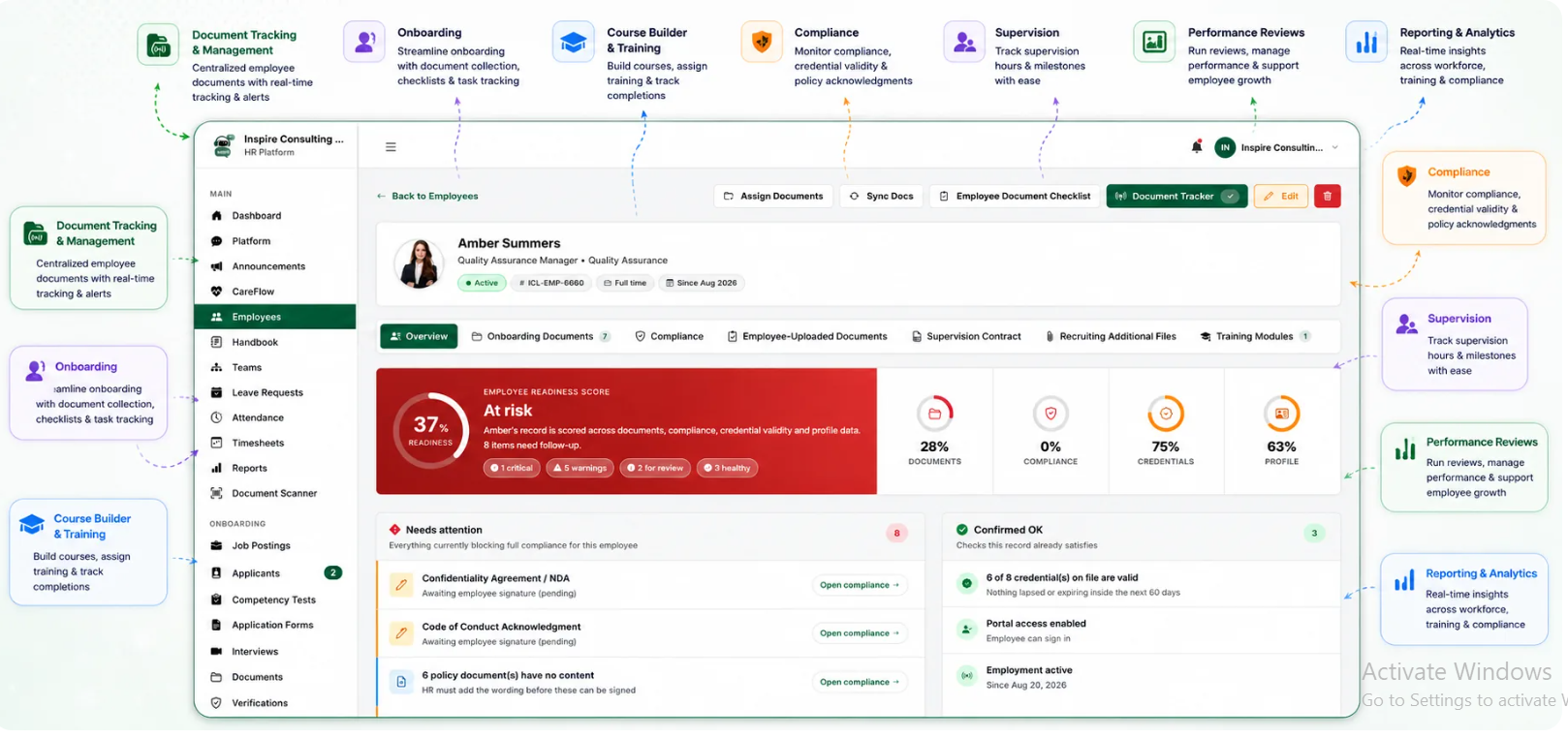
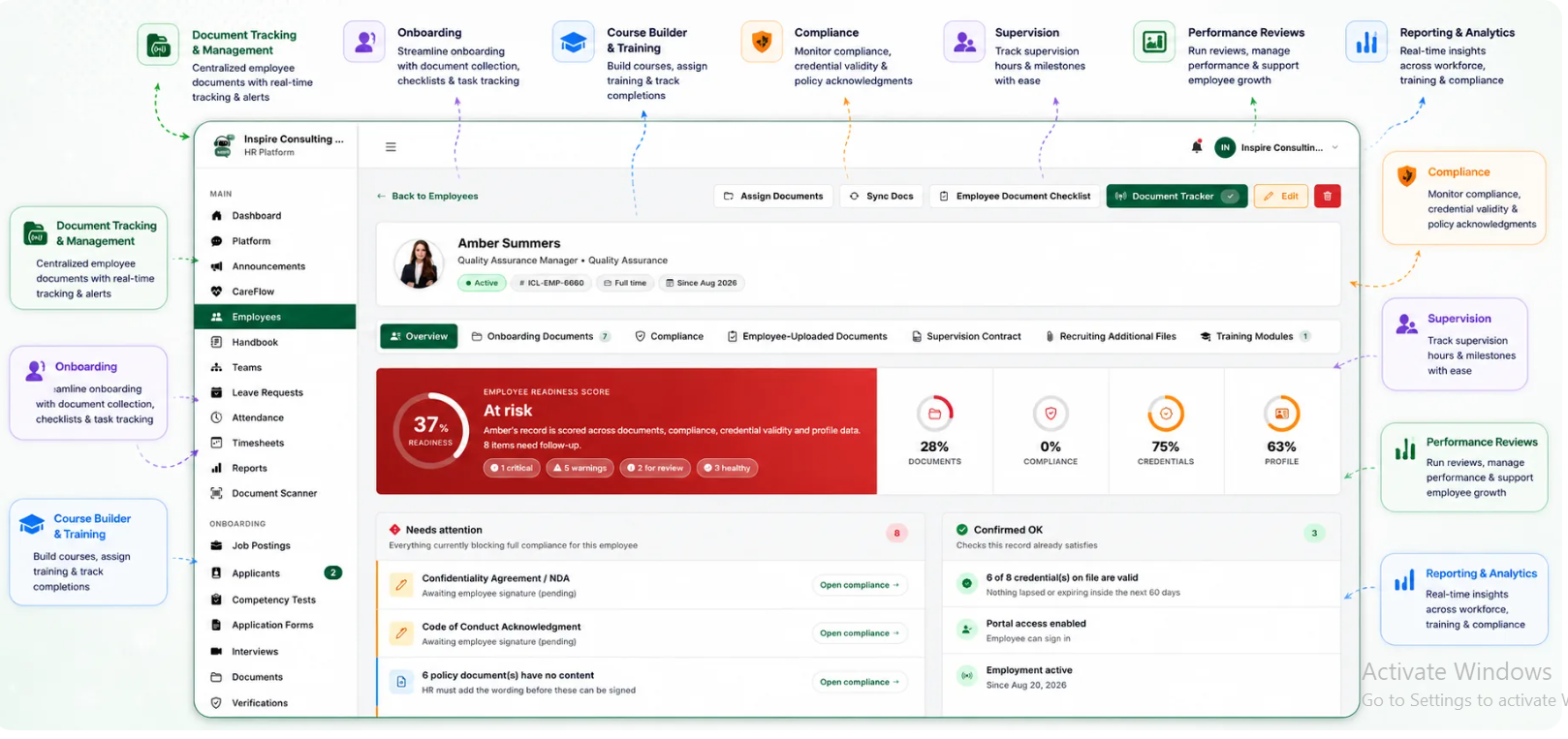
BUAMS HR helps behavioral health organizations manage workforce processes in a more organized, documented way. By centralizing employee records, HR actions, and supporting documentation, BUAMS HR gives teams a stronger foundation for handling approval workflows that depend on role clarity and accountability. When a request touches hiring, compliance, employee files, or role changes, teams are better positioned to see the full record in one place instead of piecing it together after the fact.
For providers managing multiple leaders across sites or programs, that visibility is especially valuable. BUAMS HR can support cleaner routing, stronger documentation of workforce actions, and more consistent follow-up when approval responsibilities shift temporarily or need to be verified. Instead of relying on scattered messages to explain why a decision moved forward, teams can maintain a more reliable system of record around the action itself.
Final Thoughts
Delegation of authority tracking software gives behavioral health providers a practical way to reduce approval confusion without slowing the work down. When organizations can clearly document who is authorized to approve workforce actions, when that authority applies, and how it should be used, HR operations become more dependable and easier to review.
For growing providers, the benefit is not just cleaner administration. It is stronger control during the messy real-world moments when leaders change, coverage shifts, and urgent decisions still need to move. BUAMS HR helps make that control more achievable by keeping workforce records, workflows, and documentation connected in one system.