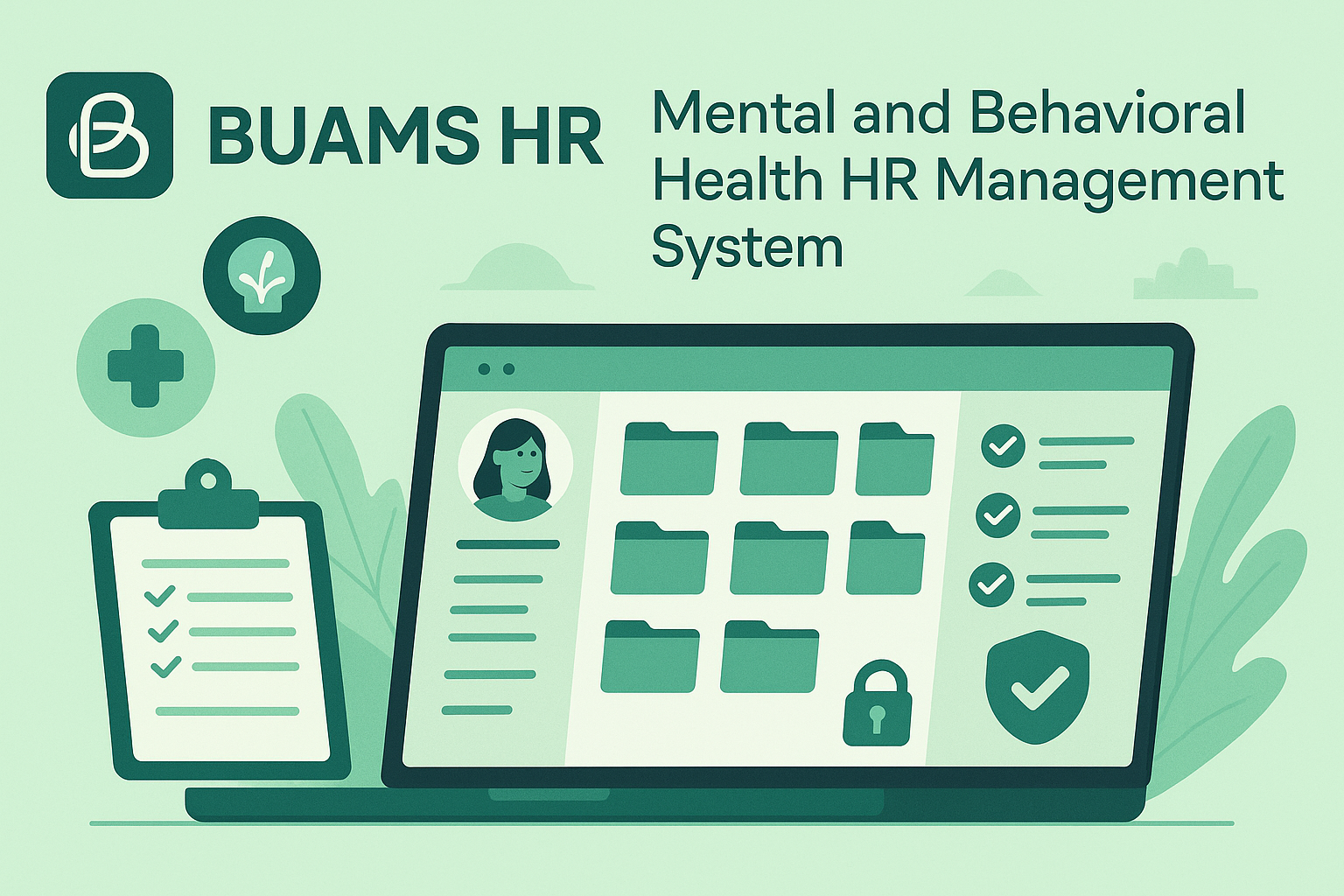
Behavioral health organizations manage a steady flow of HR paperwork, from offer letters and licenses to policy acknowledgments, background checks, supervision notes, and annual training records. When those documents live across inboxes, shared drives, and paper folders, small delays turn into larger compliance and operational risks. A structured approach to digital employee files gives HR teams a faster, more reliable way to keep records complete and accessible.
For mental health and human services providers, this matters beyond basic administration. Teams often need to confirm onboarding status quickly, respond to internal reviews, support supervisors across programs, and produce documentation during accreditation, funding, or payer-related requests. A digital file system makes those moments easier to manage without constant last-minute searching.
Key Takeaways
What Are Digital Employee Files?
Digital employee files are secure electronic records that store the documents and milestones associated with each staff member. Instead of relying on paper binders or disconnected folders, agencies can keep hiring documents, signed forms, credentials, trainings, evaluations, and other employment records in one structured system.
For behavioral health employers, file completeness matters because each employee record often supports multiple operational needs. HR may need one document for onboarding verification, a supervisor may need another for oversight, and compliance staff may need fast proof that a requirement was met on time. Digital records make that coordination much easier when the system is consistent and searchable.
Why It Matters for Behavioral Health Agencies
Behavioral health staffing environments are fast-moving. New hires are often needed quickly, programs may operate across multiple locations, and requirements can vary by role, funding source, or accrediting body. In that environment, fragmented records create unnecessary drag.
When employee files are digitized and standardized, agencies can reduce manual follow-up, avoid duplicate requests for the same documents, and give the right people visibility into file status. That means fewer onboarding bottlenecks, fewer compliance surprises, and less time spent chasing paperwork that should already be easy to locate.
Digital records also support continuity. If a staff member changes programs, a supervisor leaves, or a reviewer asks for documentation with short notice, the organization is less dependent on one person remembering where everything was saved.
What to Include in a Strong Digital File Process
A strong digital file process does more than store PDFs. It gives HR teams a repeatable structure for collecting, reviewing, protecting, and retrieving the records that support each employee relationship. The following elements make that process easier to maintain over time.
Consistent document categories
Employee files should follow a standard structure so every record is easy to understand. Typical sections might include recruiting and offer materials, onboarding documents, licensure and certifications, trainings, acknowledgments, evaluations, supervision records, and separation-related paperwork when applicable.
Clear access controls
Not everyone should see every document. A strong system allows agencies to limit access based on role while still giving HR, leadership, and compliance staff the visibility they need. This is especially important when files include sensitive personal information.
Required-document tracking
Digital storage alone is not enough if teams still need to guess whether a file is complete. The best process makes missing items visible, flags expiring records, and helps HR teams follow up before a gap becomes a compliance issue.
Fast search and retrieval
A digital file process should make it easy to find records by employee, document type, or status. During audits, internal reviews, or urgent staffing questions, retrieval speed matters almost as much as document completeness.
Common Problems Agencies Can Avoid
Without a reliable digital system, agencies often run into the same avoidable issues. Signed forms are stored in email but never added to the official file. A renewal document is uploaded to one folder but not reflected in the employee's compliance status. Different locations use different naming conventions, so corporate HR cannot quickly confirm what is complete and what is missing.
These are not just filing annoyances. They can slow hiring, create inconsistent oversight, and make agencies look less prepared during reviews. Even when teams are working hard, weak file processes make the organization feel less organized than it really is.
How BUAMS HR Helps
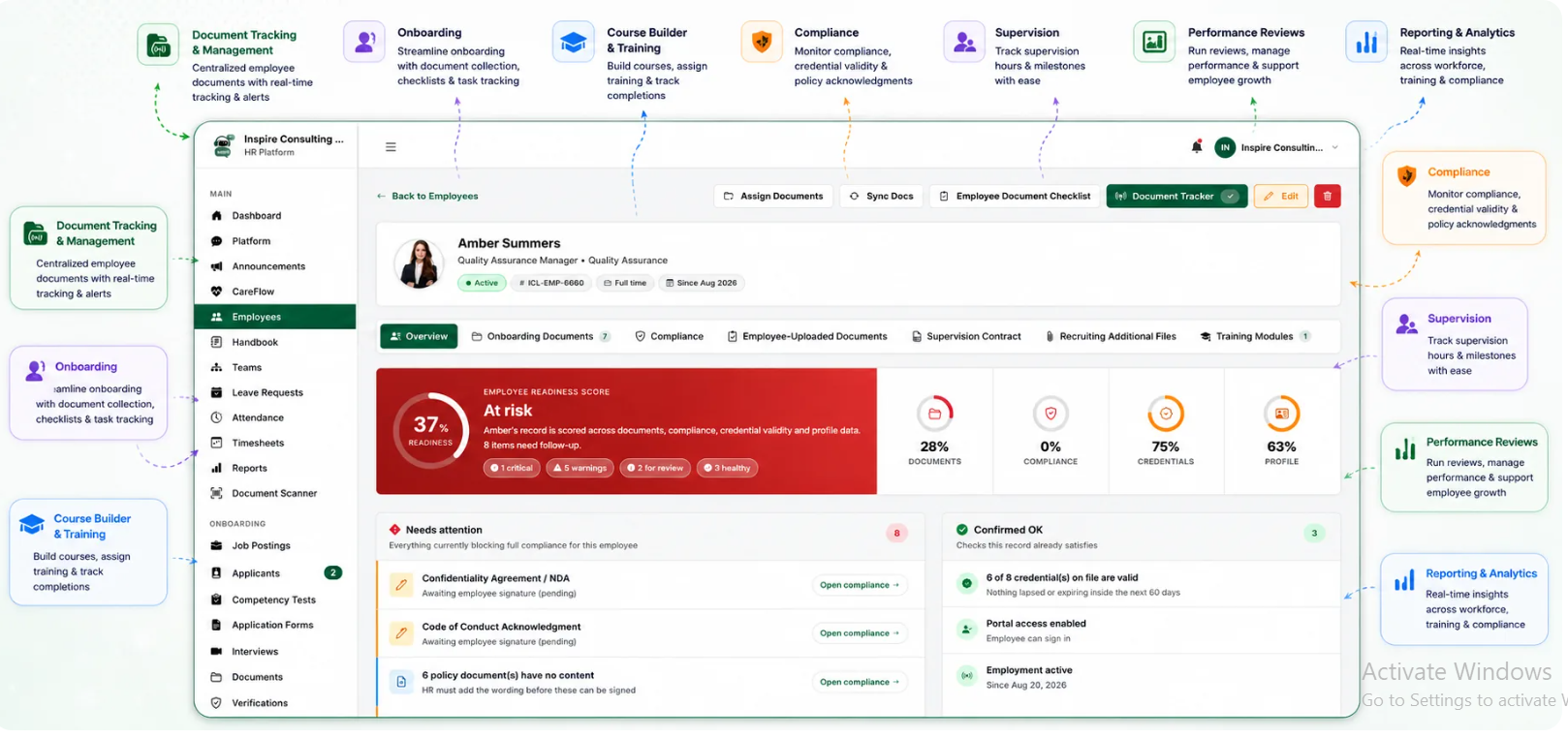
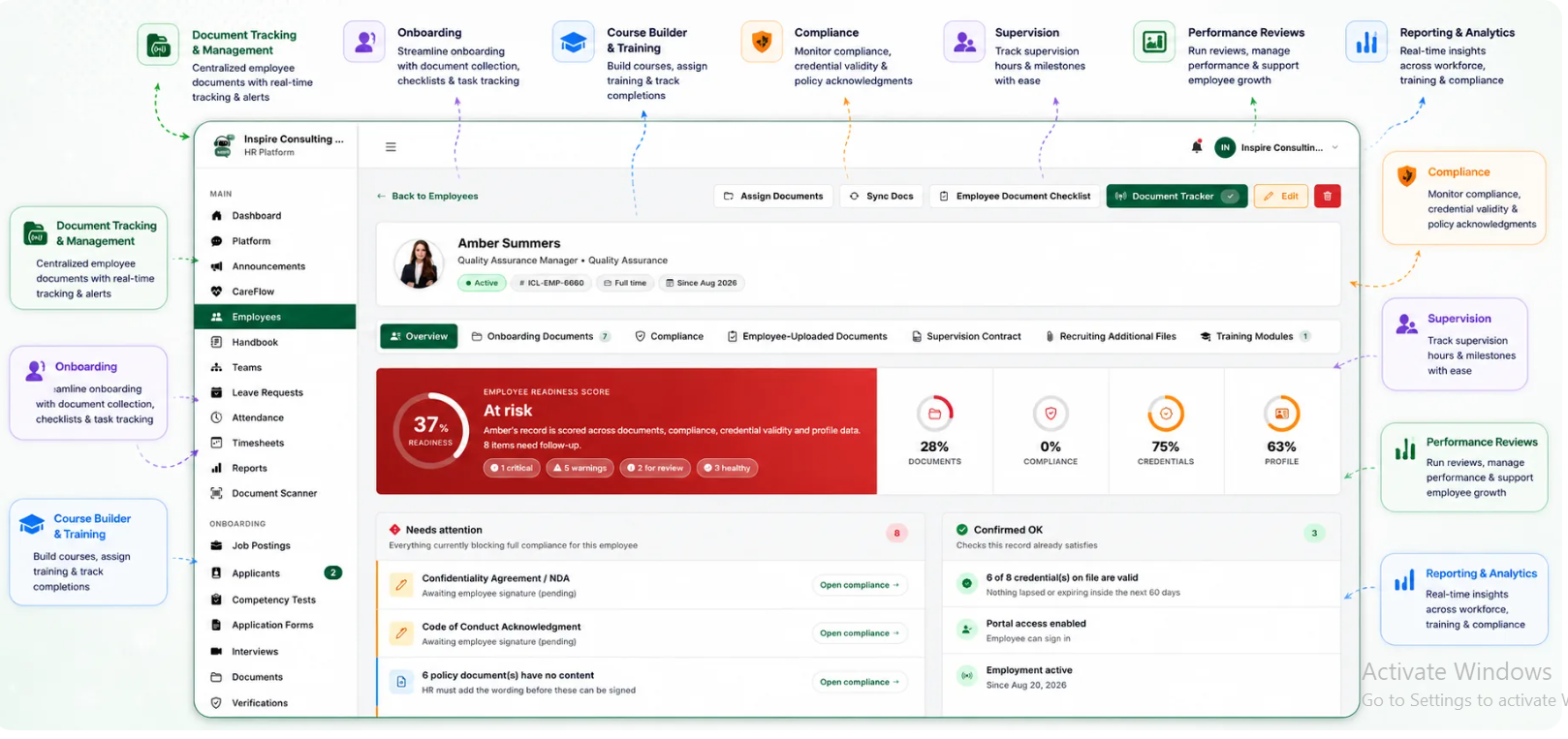
BUAMS HR helps behavioral health organizations build a more dependable approach to digital employee files by connecting recordkeeping with the workflows that produce those records. Instead of treating files as a separate archive, teams can manage onboarding, compliance-related documents, and employee information within one HR-focused system.
That makes it easier to see what has been collected, what is still missing, and where follow-up is needed. For growing agencies, BUAMS HR also supports more consistent practices across programs and locations, reducing the chance that each team develops its own disconnected filing habits.
When agencies need to prepare for audits, accreditation activity, or internal leadership review, centralized records can shorten response time and improve confidence that the underlying documentation is accurate and current.
Final Thoughts
For behavioral health agencies, digital employee files are not just about reducing paper. They are about creating a dependable HR foundation that supports hiring, compliance, supervision, and organizational growth. A well-run file process helps teams move faster without losing control of important documentation.
As workforce requirements become more complex, agencies that invest in organized digital employee files are better positioned to respond quickly, stay audit ready, and give HR teams a more manageable day-to-day workflow.