Employee Credentialing Software for Behavioral Health Organizations: How to Reduce Approval Delays and Keep Staff Start Dates on Track
In behavioral health, hiring is only the beginning. A promising candidate can accept an offer, complete most onboarding tasks, and still miss their intended start date because licensure checks, role-based approvals, payer enrollment details, and internal signoffs are scattered across email, spreadsheets, and paper files. For HR leaders, those delays create staffing gaps, frustrated supervisors, and avoidable compliance risk.
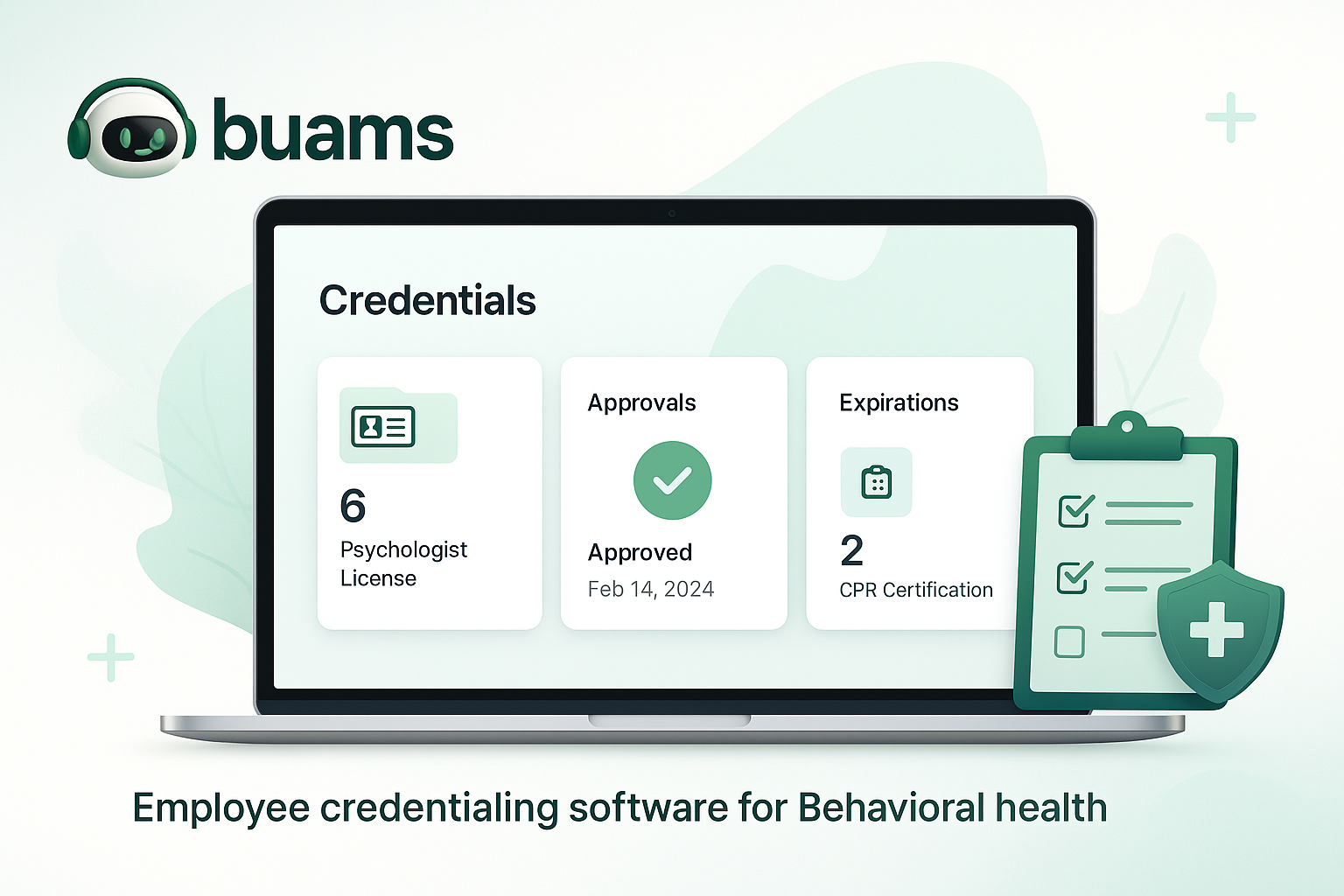
Employee credentialing software gives behavioral health organizations a structured way to track what each role requires before a staff member is fully cleared to work. Instead of relying on manual follow-up, teams can move candidates and employees through a defined credentialing workflow with clearer visibility, faster issue resolution, and stronger documentation.
Key Takeaways
What employee credentialing software means in a behavioral health setting
Employee credentialing software is not just a storage folder for licenses and certificates. In a behavioral health environment, it acts as an operational control point for confirming that each worker has the qualifications, documents, training completions, and internal approvals tied to their role before they begin serving clients.
That can include professional licenses, degree verification, background screening status, CPR or other certifications, supervisory assignments, policy acknowledgments, role-specific training, and evidence that all required file items are complete. The goal is to move from a reactive process to a repeatable one.
Why credentialing delays are so costly for behavioral health providers
When credentialing takes longer than expected, the impact spreads quickly. Clinical supervisors may have approved schedules based on projected start dates. Existing staff may be covering extra caseload or shifts. Finance teams may be planning around faster ramp-up. Every unresolved credentialing item makes those plans less reliable.
Behavioral health organizations also face a more complex regulatory environment than many other employers. Requirements can vary by program, location, payer expectations, service type, and staff discipline. If those requirements are tracked informally, it becomes easy to miss a document, approve a person too early, or leave a file incomplete until an audit exposes the gap.
Signs your current credentialing process needs a better system
Many organizations know they have a credentialing problem long before they name it. The warning signs usually show up in day-to-day friction.
What to look for in employee credentialing software
The best system is one that supports real operational discipline, not one that simply stores documents. Behavioral health organizations should look for features that make the process easier to manage across HR, compliance, and program leadership.
Role-based requirement tracking
Different roles need different credentialing packages. A therapist, psychiatric rehabilitation specialist, program director, and administrative employee should not all follow the same checklist. Role-based requirement sets help ensure each person is measured against the right standard from the beginning.
Status visibility across the workflow
Teams need to see whether an item is pending, submitted, reviewed, approved, expired, or blocked. Clear status labels reduce back-and-forth and make it easier to intervene before a delayed item affects the start date.
Document collection tied to approval steps
Storing a file is not enough if nobody knows whether it was reviewed or whether it satisfies the requirement. The software should connect uploaded documents to specific approval checkpoints so HR and compliance can confirm completion with confidence.
Renewal and expiration monitoring
Credentialing is not just for new hires. Existing staff need ongoing monitoring for expiring licenses, certifications, and other compliance-sensitive items. Automated reminders and dashboard visibility help organizations avoid last-minute scrambles.
Audit-ready file organization
When surveyors, accrediting bodies, or internal reviewers ask for evidence, teams should be able to retrieve a clean record quickly. Centralized files, timestamps, and status history make audit response faster and more credible.
Best practices for reducing start-date delays
Software works best when paired with a disciplined process. Behavioral health providers can improve outcomes by standardizing how credentialing is assigned and reviewed.
How BUAMS HR helps behavioral health organizations manage credentialing
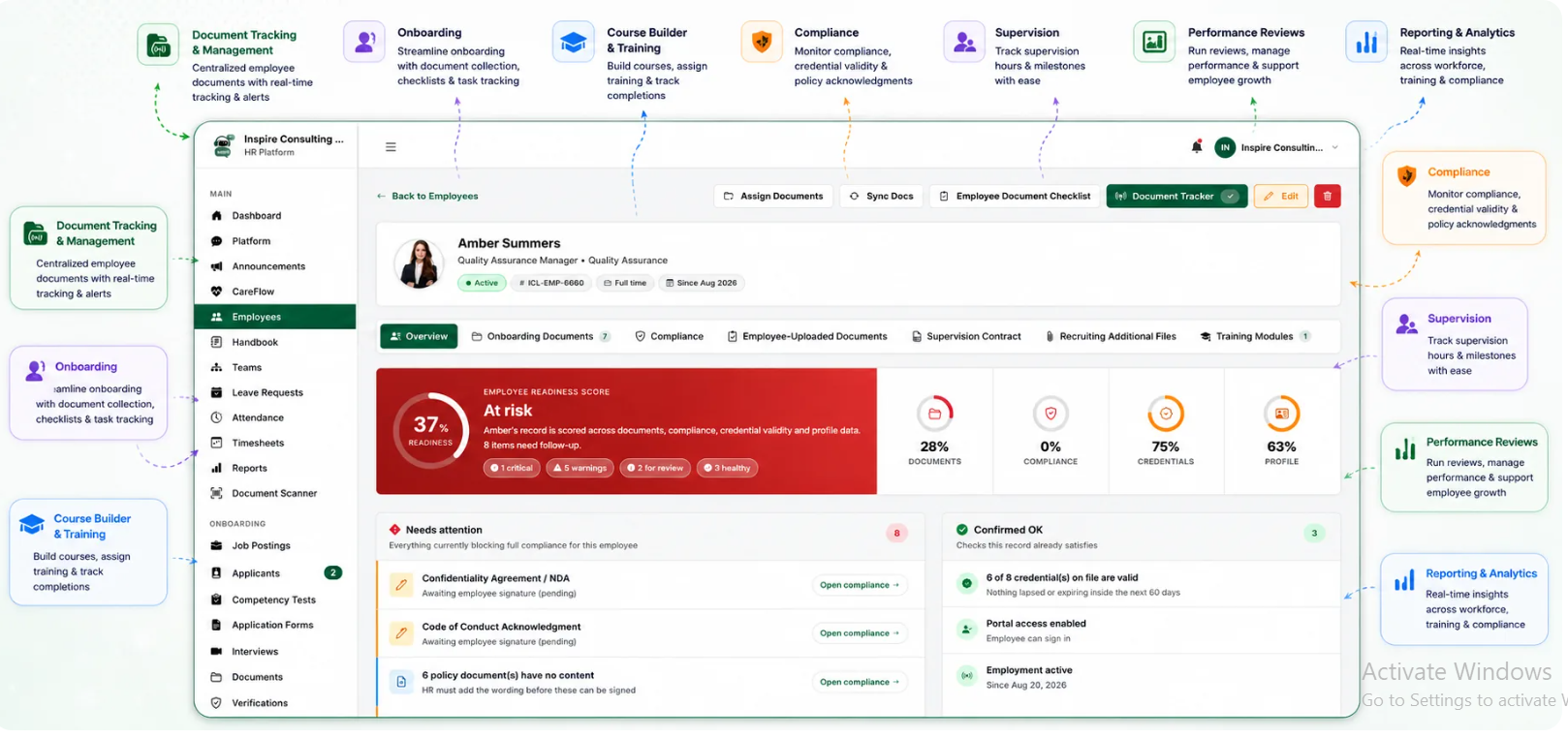
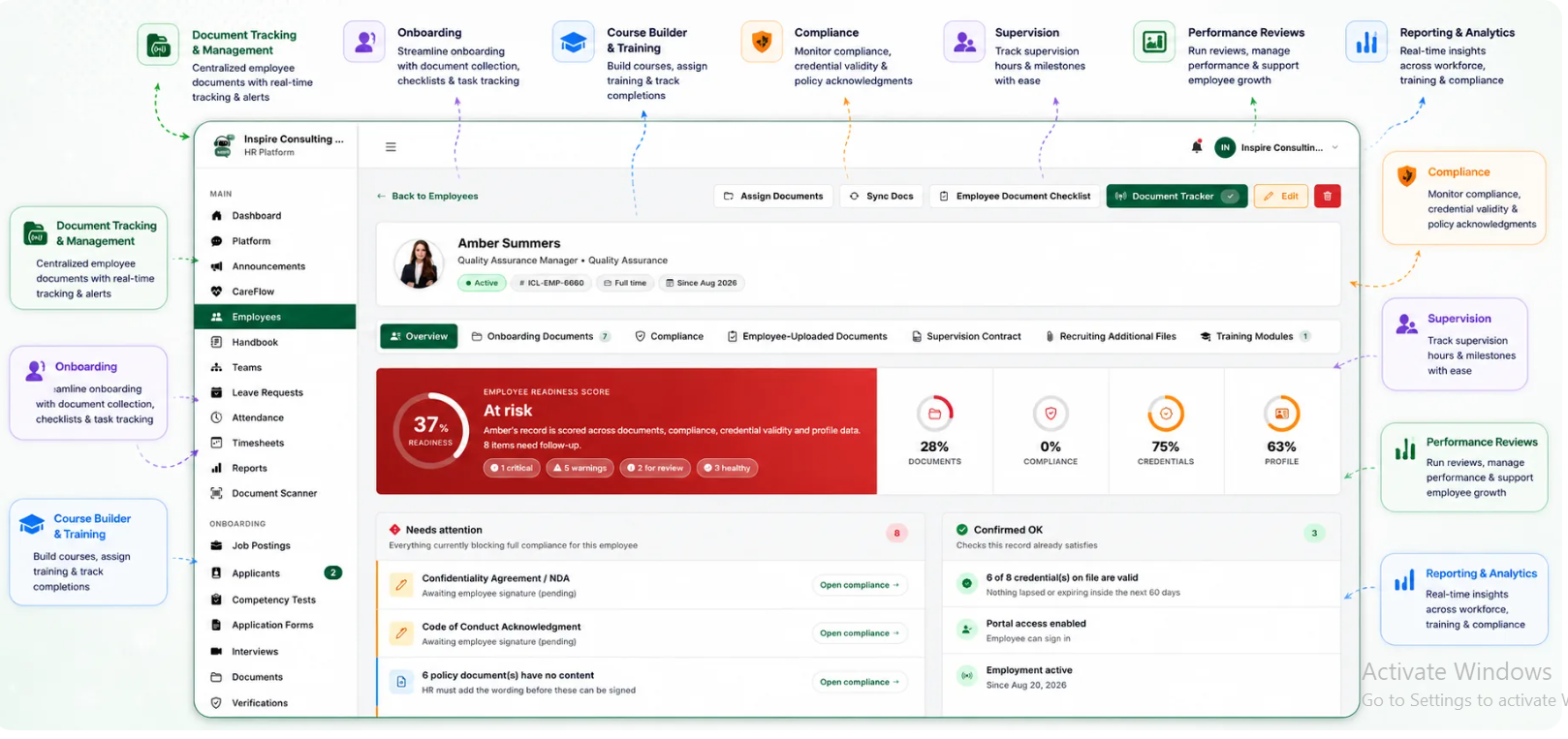
BUAMS HR helps behavioral health organizations bring employee credentialing into the same operational system used for onboarding, document management, and compliance tracking. Instead of splitting requirements across disconnected tools, teams can organize role-based file expectations, monitor progress, and keep employee records aligned in one place.
That matters when hiring volume increases or when programs operate across multiple teams and locations. HR leaders need a practical way to see what is complete, what is still pending, and which staff members are approaching renewal deadlines. With a more centralized workflow, organizations can reduce approval delays, improve handoffs, and maintain clearer audit evidence without adding more manual tracking.
Final thoughts
Credentialing delays are rarely caused by one big failure. More often, they come from small gaps in ownership, visibility, and follow-up. Employee credentialing software helps behavioral health organizations close those gaps by turning a patchwork process into a structured workflow.
For providers trying to protect start dates, reduce compliance risk, and keep workforce records organized, that structure can make a measurable difference. A cleaner credentialing process supports both operational readiness and better support for the teams delivering care.