Emergency contact information seems simple until a behavioral health organization needs it quickly and discovers that records are incomplete, outdated, or buried in disconnected files. A missing phone number, an old relationship label, or inconsistent record ownership can slow response during employee medical events, weather disruptions, safety incidents, or urgent schedule changes. For HR teams that support clinical, residential, and community-based services, that kind of gap creates unnecessary risk.
Employee emergency contact management software gives behavioral health providers a more reliable way to collect, organize, update, and review this information as part of normal workforce operations. Instead of treating emergency contacts like a one-time onboarding field, organizations can make them part of a controlled HR workflow that supports accuracy, visibility, and better documentation standards over time.
Key Takeaways
What Is Employee Emergency Contact Management Software?
Employee emergency contact management software is used to store and maintain the people, phone numbers, and related details an employer may need when an urgent employee situation occurs. In practice, the value is not just a place to save names. The value comes from having a repeatable workflow for gathering the information, confirming it is complete, updating it when circumstances change, and keeping it connected to the right employee record.
For behavioral health providers, that workflow matters because the workforce is often distributed across programs, sites, and schedules. Employees may work in outpatient clinics, residential settings, schools, or community environments where communication needs can change quickly. If emergency contact information is inconsistent across systems or trapped in outdated paper forms, HR and supervisors may not be able to act with confidence when time matters most.
Why Emergency Contact Accuracy Matters in Behavioral Health
Behavioral health organizations operate in settings where continuity, safety, and rapid coordination all matter. When an employee experiences a medical issue at work, is involved in a transportation incident, misses contact during a severe weather event, or must be reached because of an urgent workplace matter, leaders need dependable information. Delays caused by incomplete employee records add friction at exactly the wrong moment.
This is also an organizational trust issue. Employees expect basic HR records to be handled carefully, and emergency contacts are part of that expectation. If the organization has not reviewed those details since hire date, there is a good chance some information is stale. People move, change phone numbers, update family relationships, or want a different contact order over time. A process that never prompts review quietly becomes less reliable every quarter.
There is also an operational side. In behavioral health, staffing disruptions can affect coverage, supervision, transportation, and client schedules. When emergency communication workflows are unclear, even small documentation gaps can create confusion for HR, managers, and program leaders trying to respond quickly and responsibly.
Where Manual Emergency Contact Tracking Breaks Down
Many providers collect emergency contacts during onboarding and assume the task is finished. The initial form may be complete, but the long-term process often is not. Records can end up spread across paper packets, HR folders, payroll notes, and onboarding checklists. Over time, nobody is fully sure which version is current.
These problems are easy to overlook because emergency contact data is not used every day. That is exactly why disciplined management matters. If the record only becomes visible during a stressful moment, there is very little room for cleanup.
What to Look For in Employee Emergency Contact Management Software
The best employee emergency contact management software for behavioral health providers should support both record quality and operational consistency.
Structured data collection
HR teams should be able to standardize what is collected for each employee, including contact name, relationship, phone details, and any additional fields the organization considers necessary. Structured fields reduce incomplete entries and make records easier to review later.
Update workflows tied to employee changes
Emergency contact information should not live outside the rest of the employee lifecycle. Good software helps providers prompt updates during onboarding, annual record review, location transfers, leave events, and other status changes that commonly affect employee information.
Clear visibility in the employee record
When HR or an authorized leader opens an employee profile, emergency contact details should be easy to find and verify. Critical data should not require searching across folders or interpreting scanned documents when time is limited.
Controlled record maintenance
Organizations need confidence that updates are intentional, current, and attached to the right employee. A controlled system helps reduce duplicate records, conflicting versions, and missed follow-up.
Connection to broader HR documentation
Emergency contact records are more useful when they live within a complete employee file strategy. That allows providers to maintain continuity across onboarding forms, policy acknowledgments, status changes, compliance records, and core workforce data.
Best Practices for Managing Emergency Contact Records
First, collect emergency contact data in a standardized format from the start. Free-text collection creates inconsistent entries and leaves too much room for missing details. A consistent structure makes later review faster and more reliable.
Second, build review points into normal HR operations. Annual acknowledgments, file audits, benefits-related changes, and role transitions are all practical moments to confirm whether emergency contact information still reflects the employee's wishes. If the organization never asks again, the data will age quietly.
Third, define who owns follow-up when information is missing or unclear. Employees may submit incomplete entries, supervisors may notice outdated details, or HR may identify gaps during file review. Ownership should be obvious so updates do not stall.
Fourth, keep emergency contact management aligned with access and documentation practices. Behavioral health providers need employee information to be available to the right people without turning workforce data into an uncontrolled shared file problem. A centralized HR system supports cleaner access and better record discipline than scattered local copies.
How BUAMS HR Helps
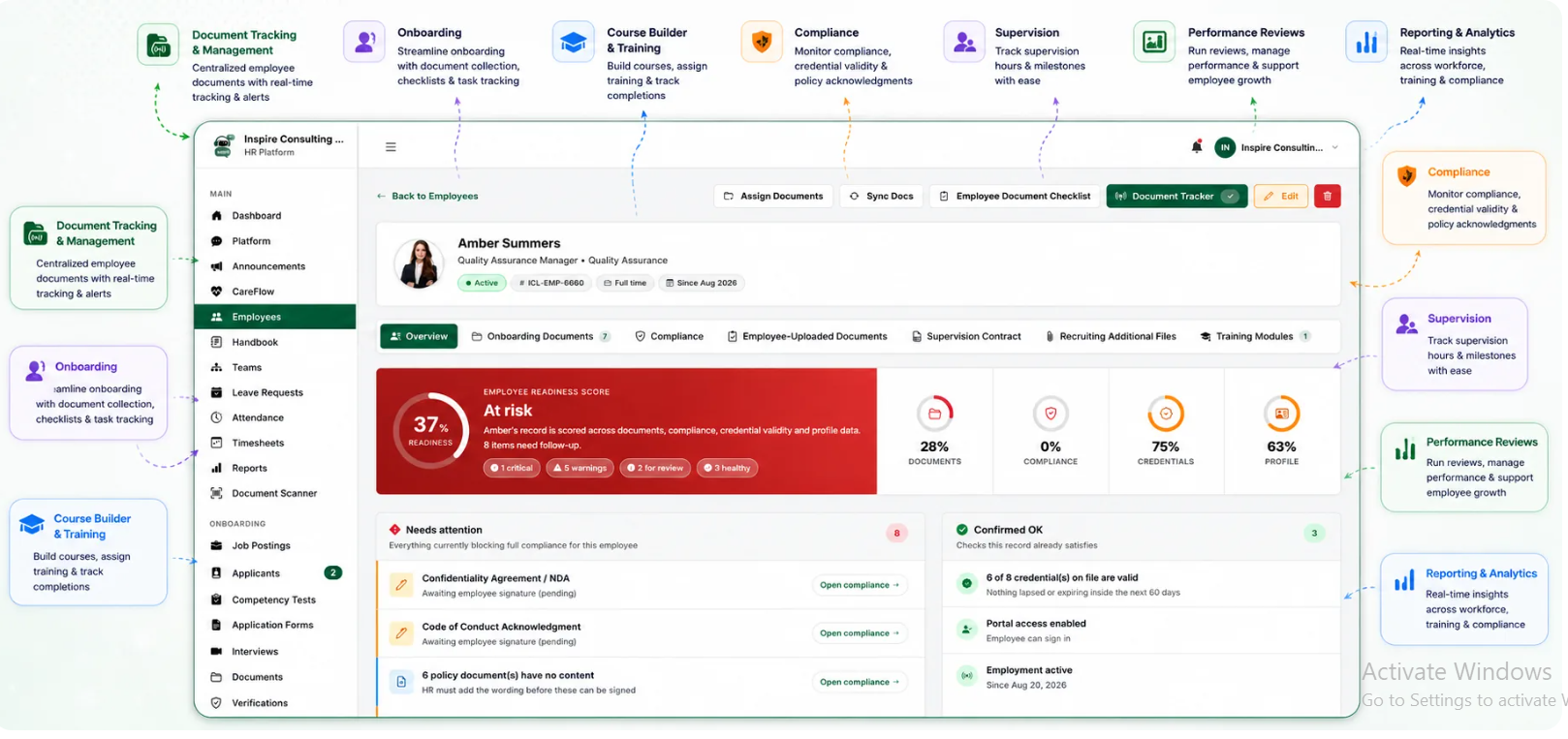
BUAMS HR helps behavioral health organizations maintain complete employee records in a more organized and structured system. Instead of relying on disconnected forms and folders, teams can manage workforce information in one place so important details remain easier to find, review, and maintain over time.
That supports stronger HR operations across onboarding, employee file management, compliance documentation, and day-to-day record updates. When emergency contact details are treated as part of a broader employee record strategy, organizations are better positioned to reduce outdated information, improve consistency, and respond with more confidence when urgent situations arise.
For providers operating across multiple programs or locations, BUAMS HR also helps standardize record expectations. HR leaders can reduce administrative sprawl, improve documentation continuity, and maintain clearer oversight of the information that supports both workforce operations and employee care.
Final Thoughts
Employee emergency contact management software is not just about storing an extra form field. It is about making sure critical workforce information stays usable when it is needed most. Behavioral health providers that build a cleaner process around collection, review, and record maintenance are better equipped to respond quickly without scrambling through outdated files.
BUAMS HR gives organizations a practical foundation for keeping employee records organized, current, and easier to manage across the full HR lifecycle, including the critical details that matter during urgent moments.