Healthcare Credential Tracking for Behavioral Health Organizations
Behavioral health organizations manage employees who may need different licenses, certifications, training records, background checks, and other required credentials. Keeping these records accurate and up to date is an important part of workforce and compliance management.
When credential information is stored across spreadsheets, email inboxes, paper files, and individual employee folders, it can become difficult for HR teams and managers to know what is current and what needs attention.
Healthcare credential tracking software can help organizations centralize these records and create a more organized process for monitoring employee credentials.
What Is Healthcare Credential Tracking?
Healthcare credential tracking is the process of maintaining and monitoring employee licenses, certifications, qualifications, and other required documents.
For behavioral health organizations, credential records may include:
- Professional licenses
- Certifications
- CPR or BLS certifications
- Background checks
- Insurance documentation
- Training certificates
- Employee qualifications
- Required compliance documents
- Other organization-specific credentials
The exact requirements can vary depending on the employee's role, profession, location, and organization.
Why Credential Tracking Matters in Behavioral Health
Behavioral health organizations often have employees working in different roles, including therapists, counselors, clinicians, administrative staff, and other healthcare professionals.
Each role may have different documentation and credential requirements.
If HR teams cannot quickly determine whether a credential is current, they may have to manually search through multiple systems and files.
A centralized credential tracking process makes it easier to:
- Maintain organized employee records
- Monitor credential expiration dates
- Identify missing documentation
- Follow up on upcoming renewals
- Keep compliance records organized
- Reduce manual administrative work
The Problem With Spreadsheet-Based Credential Tracking
Many organizations start credential tracking with spreadsheets.
A spreadsheet can work when the organization is small and has relatively few employees. However, maintaining the process becomes more difficult as the workforce grows.
HR teams may need to manually update expiration dates, check employee records, send follow-up emails, and determine which credentials need attention.
There is also a risk of outdated information when multiple spreadsheets or document folders are being used.
What Should a Credential Tracking System Monitor?
A credential tracking system should help organizations maintain important employee information in one centralized location.
Depending on the organization, the system may track:
Employee Licenses
Professional licenses can have expiration dates and renewal requirements. Keeping license information connected to the employee record makes it easier for HR teams to monitor their status.
Certifications
Employees may need specific certifications depending on their role and responsibilities.
The organization can maintain certification records and monitor when documentation needs to be renewed.
Background Checks
Background check documentation can also be part of an organization's employee compliance process.
Keeping these records organized helps HR teams quickly determine whether the required documentation is available.
Insurance Documentation
Certain employees or professional roles may require insurance-related documentation.
Instead of searching through separate folders, HR teams can maintain these records alongside other employee documents.
Training Records
Credential management can also connect with employee training. Organizations can maintain records showing whether employees have completed required courses or training.
Credential Expiration Tracking
One of the most important parts of credential management is knowing when a document or credential will expire.
For example, an HR team may need to know that an employee's certification is approaching its renewal date.
Without a centralized system, HR staff may rely on calendar reminders, spreadsheets, emails, or manual follow-ups.
A credential tracking system can make expiration information easier to monitor and help HR teams identify records that require attention.
Centralized Employee Credential Records
Instead of storing employee credentials in different locations, organizations can maintain them within a centralized HR system.
This can make it easier for authorized HR staff and managers to access relevant employee information when needed.
A centralized record can connect employee information with:
- Documents
- Credentials
- Training
- Compliance requirements
- Performance information
- Other HR records
This creates a more connected employee management process.
Credential Tracking and Compliance
Credential tracking is one part of a broader compliance process.
Behavioral health organizations may need to manage several requirements at the same time. Tracking employee credentials separately from training, documents, and other compliance information can create unnecessary administrative work.
A centralized HR platform can bring these areas together.
For example, HR teams can maintain employee documentation while also monitoring training and credential requirements.
The goal is not simply to store documents. It is to create a process where HR teams can identify missing, outdated, or upcoming requirements more efficiently.
How Software Can Improve Credential Management
Healthcare credential tracking software can reduce the amount of manual work involved in maintaining employee records.
Instead of repeatedly checking different spreadsheets and folders, HR teams can use a centralized system to organize credential information.
A software-based process can help organizations:
- Organize employee credentials
- Maintain digital records
- Monitor expiration dates
- Identify missing documentation
- Support compliance processes
- Reduce repetitive administrative tasks
- Improve visibility across employee records
How BUAMS HR Supports Credential Management
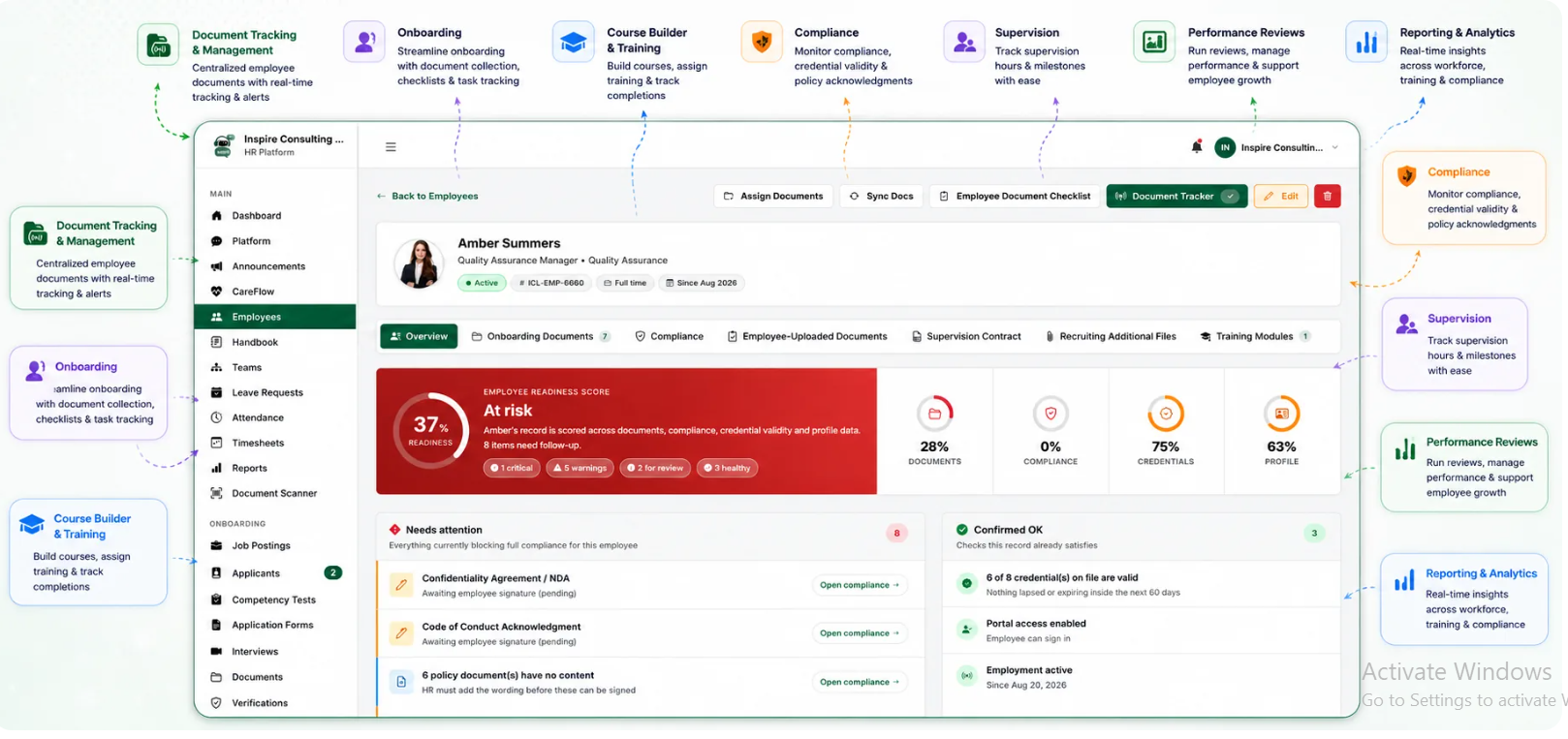
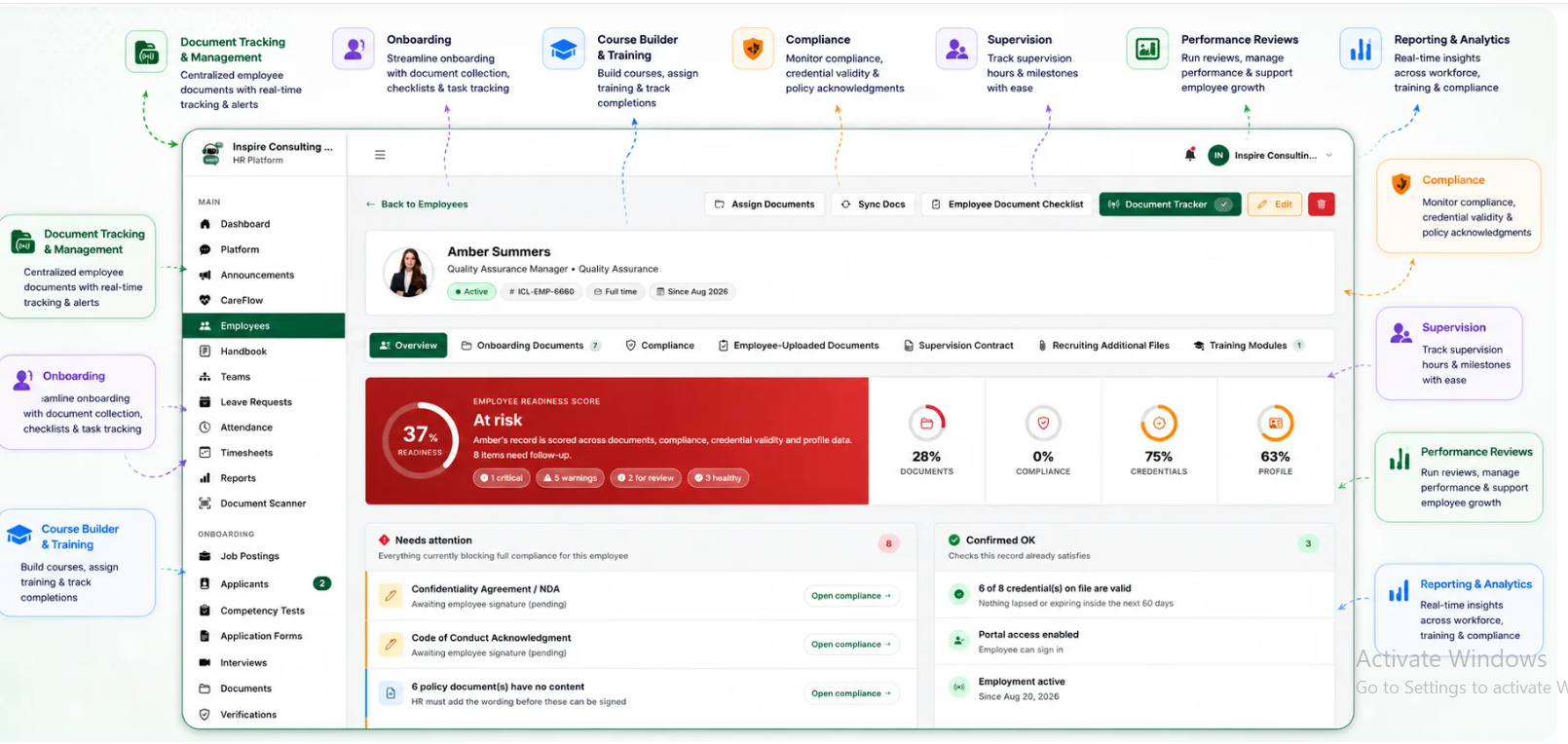
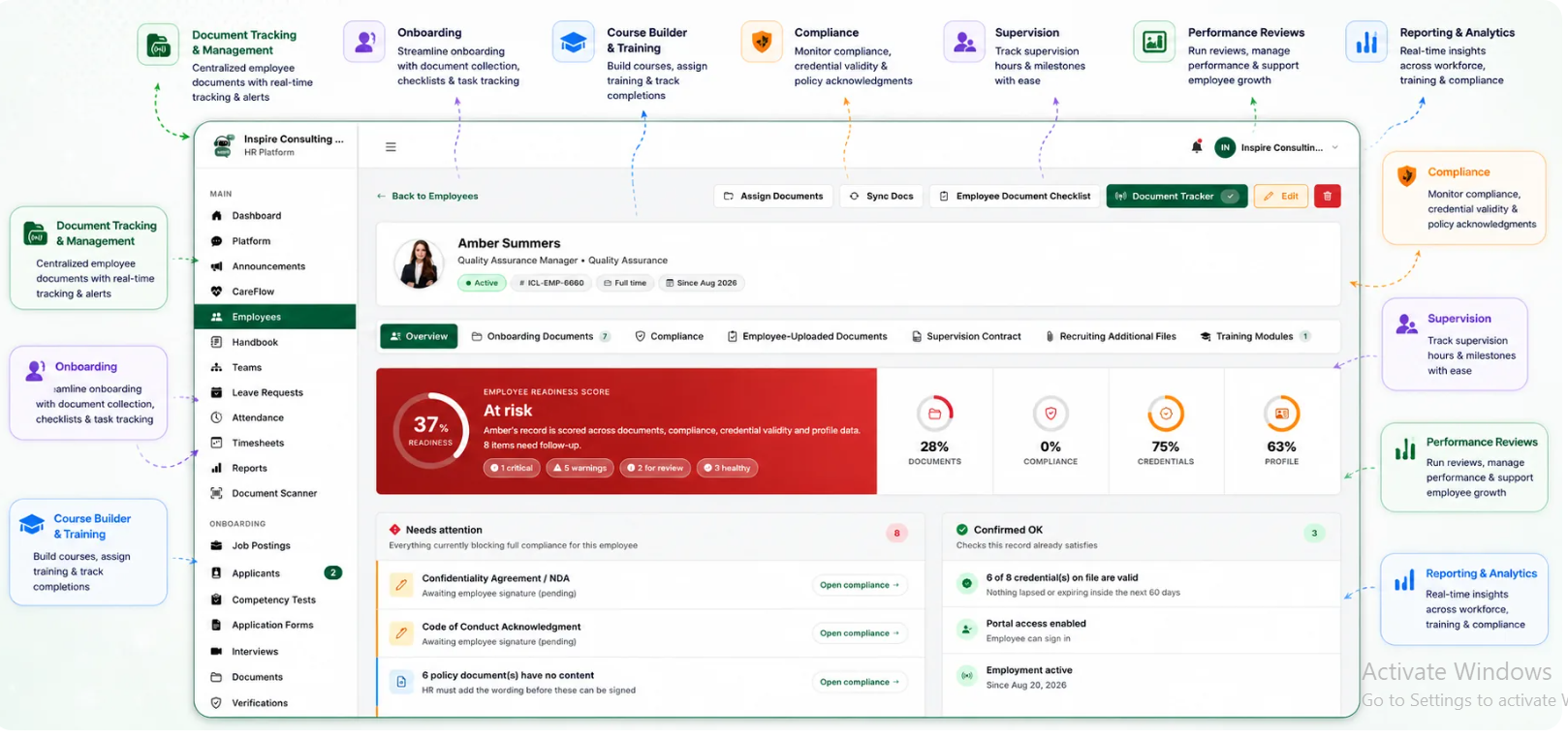
BUAMS HR provides a centralized environment for managing employee information and HR records for behavioral health organizations.
Organizations can use the platform to organize employee documents, monitor relevant requirements, manage training records, and keep workforce information connected.
Credential management can also work alongside other HR processes such as onboarding, compliance management, employee training, clinical supervision, and performance management.
This gives HR teams a more connected way to manage employee records instead of maintaining separate processes for every requirement.
Healthcare Credential Tracking Checklist
Before choosing a credential tracking process, behavioral health organizations should consider whether they can:
- Maintain credentials in one centralized location
- Track employee license information
- Store certification records
- Monitor expiration dates
- Identify missing documents
- Maintain training records
- Review employee compliance information
- Follow up on upcoming renewals
- Access organized employee records
- Reduce reliance on manual spreadsheets
If several of these processes are currently handled manually, a centralized HR system may help simplify credential management.
Final Thoughts
Healthcare credential tracking is an important part of employee and compliance management for behavioral health organizations.
As the workforce grows, managing licenses, certifications, documents, training records, and expiration dates manually can become increasingly difficult.
A centralized system can give HR teams a clearer way to organize employee credentials and monitor requirements.
For behavioral health organizations looking to improve their HR and compliance processes, credential tracking can be an important part of building a more organized workforce management system.