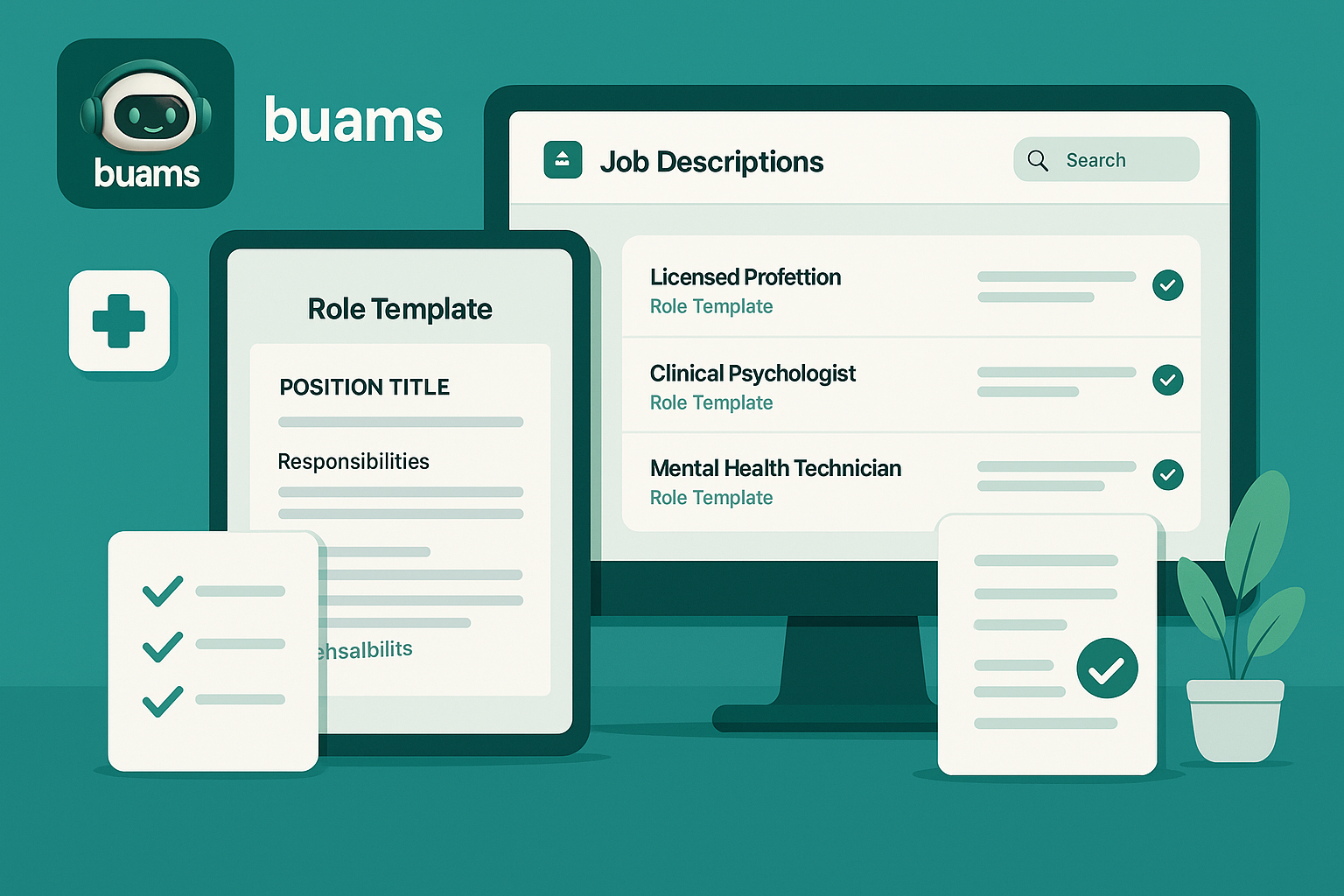
Job Description Management Software for Behavioral Health Providers: How to Keep Hiring, Supervision, and Compliance Aligned
Behavioral health organizations rely on clear role definitions to hire the right people, assign work safely, and prove that staff responsibilities match program requirements. When job descriptions live in scattered files, email attachments, and outdated templates, HR teams can lose control of one of the most important workforce documents they manage.
Job description management software gives providers a more reliable way to maintain role expectations across clinical, administrative, and support positions. With a centralized process, organizations can reduce confusion during hiring, support better supervision, and stay prepared when regulators, accreditors, or internal leaders ask for evidence.
Key Takeaways
What is job description management software?
Job description management software is a structured system for creating, reviewing, approving, storing, and updating role descriptions across the organization. Instead of treating job descriptions as one-time hiring documents, it turns them into living HR records that connect recruiting, onboarding, supervision, and compliance workflows.
For behavioral health providers, that matters because many positions carry specific expectations around licensure, supervision eligibility, documentation duties, training completion, direct care responsibilities, or access to sensitive information. A strong process keeps those expectations visible and current.
Why it matters for behavioral health providers
In behavioral health settings, role clarity affects more than recruiting. It influences care quality, staffing decisions, audit readiness, and day-to-day accountability. If an employee is hired under an outdated role description, the organization may discover gaps later in onboarding, supervision, or performance review cycles.
Clear and current job descriptions also help multi-program organizations stay aligned. Community-based teams, outpatient clinics, residential programs, and administrative departments often need similar roles with different operational details. A managed system helps HR distinguish what is standardized from what must be program-specific.
Common problems when job descriptions are managed manually
Manual processes usually create risk slowly, then all at once. Teams may not notice the problem until a hiring manager uses an old file, a supervisor questions responsibilities, or an audit uncovers inconsistency between documented duties and actual practice.
What to look for in a practical system
The best approach is not just a document folder. Behavioral health HR teams need a workflow that supports consistency, ownership, and traceability.
Centralized templates and version control
A useful system should make it easy to maintain approved templates and distinguish current versions from retired ones. That reduces the chance that managers pull outdated files during an urgent hire.
Role-specific compliance fields
Behavioral health providers often need to track more than duties. Job descriptions may need to reflect education, licensure, certifications, supervision requirements, physical demands, background screening expectations, or documentation responsibilities. A system should support those details without forcing teams into ad hoc edits every time.
Approval and review accountability
HR leaders, program directors, and compliance stakeholders should be able to review and approve changes in a defined process. Even a lightweight review cadence can improve consistency and reduce informal edits that create downstream confusion.
Connection to onboarding and employee files
Once a role description is finalized, the correct version should flow into hiring and onboarding workflows. That helps ensure the signed document in the employee file actually matches the role the person was hired to perform.
Best practices for keeping role documentation current
Behavioral health organizations do not need a perfect overhaul to improve job description control. A few operational habits can make the system far more reliable.
How BUAMS HR helps
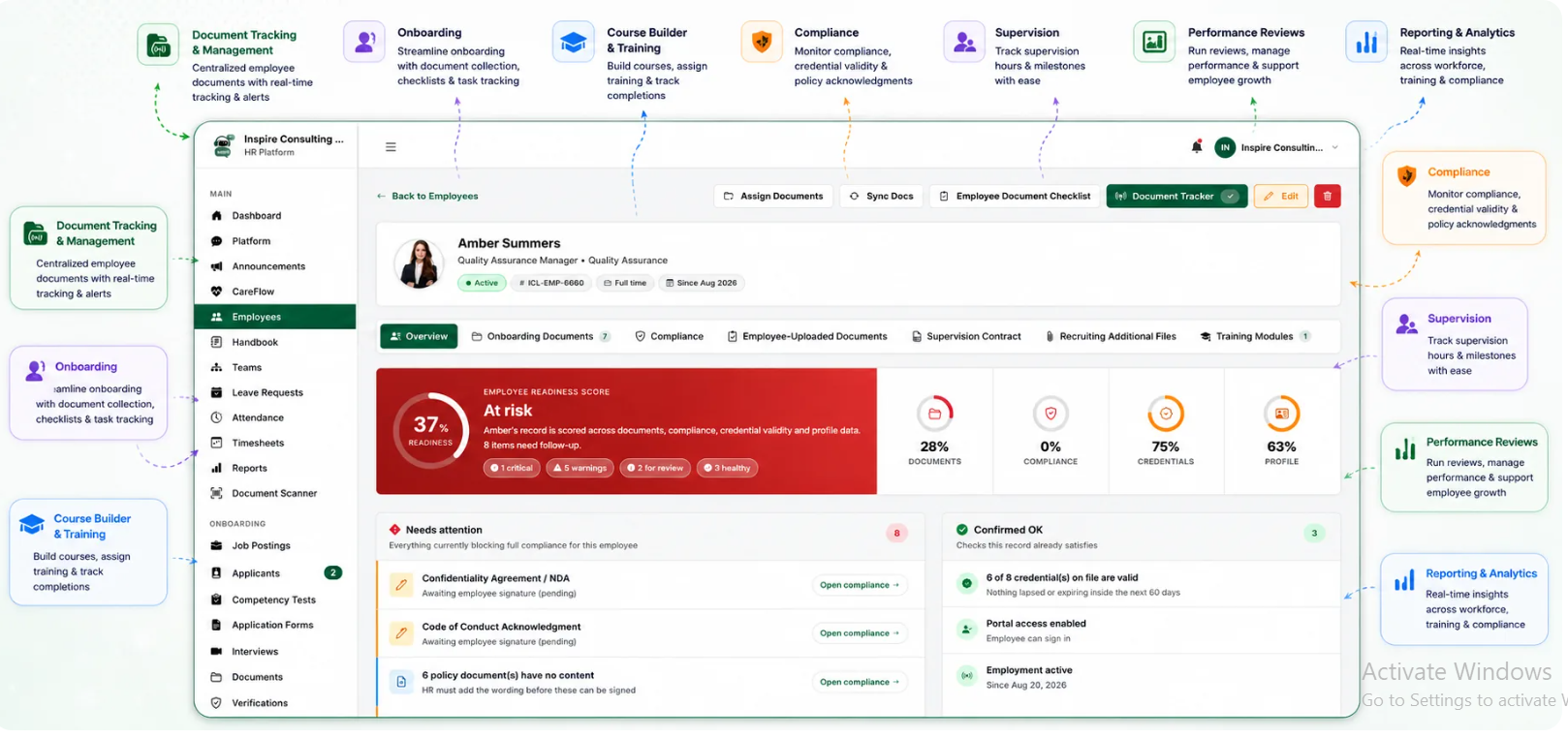
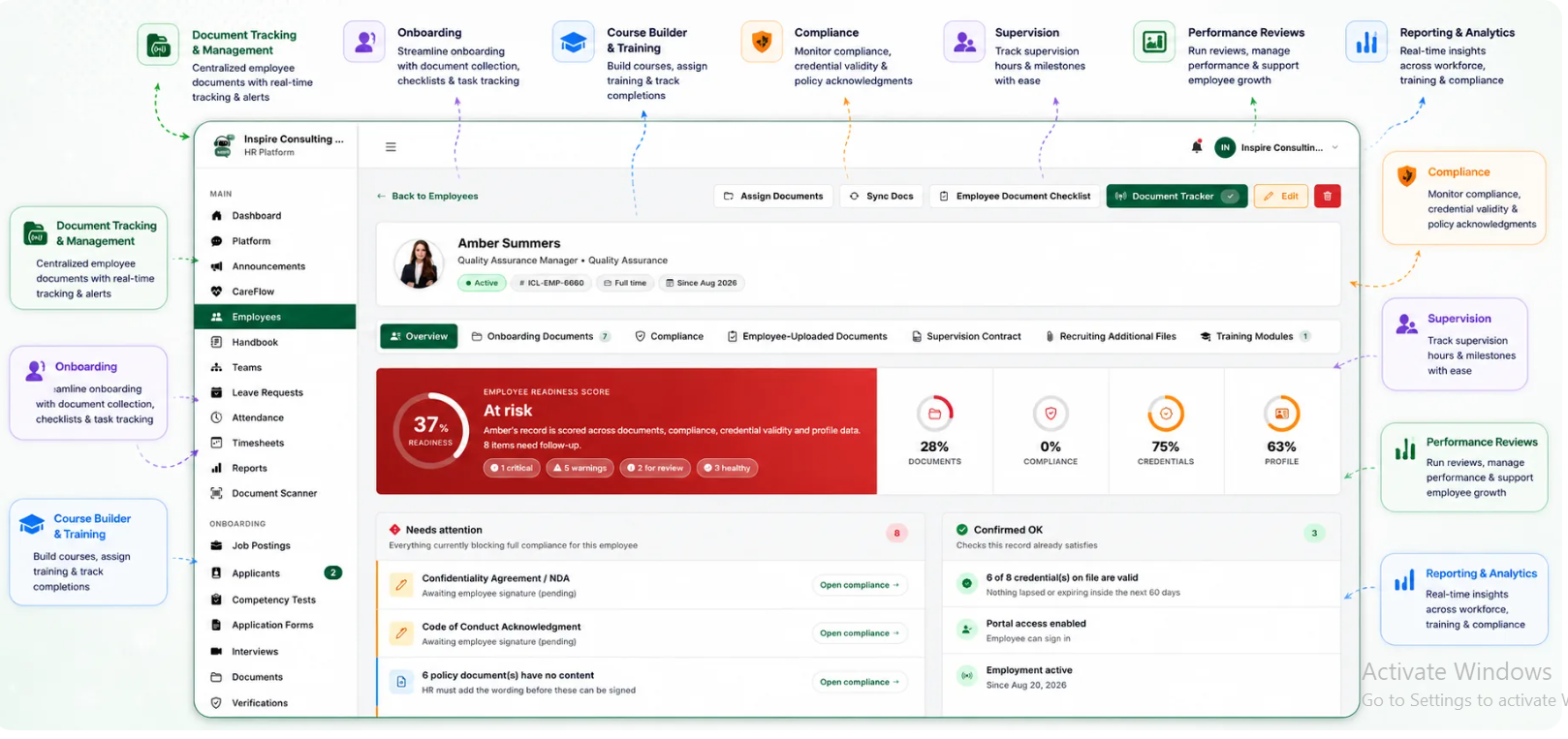
BUAMS HR supports behavioral health providers that need cleaner HR operations without adding more administrative sprawl. When organizations centralize workforce records in one system, they can keep job documentation closer to the employee lifecycle instead of letting it drift into disconnected folders.
That matters when HR teams need to connect role expectations with onboarding tasks, document collection, compliance review, and file readiness. A more organized system helps leaders respond faster to internal questions, support supervisors with accurate role records, and reduce last-minute scrambling during audits or accreditation prep.
Final thoughts
Job descriptions are easy to underestimate because they often look like static paperwork. In practice, they shape hiring quality, supervision clarity, and compliance consistency across the organization. For behavioral health providers, a stronger process around job description management can remove friction from everyday HR work while reducing avoidable risk.
Providers that treat these documents as active workforce records, not forgotten attachments, are in a better position to grow responsibly and stay aligned across teams.