
The Problem With Disconnected Systems
Many organizations still rely on multiple tools to manage HR, compliance, scheduling, and workforce data. While each system may serve a specific purpose, the lack of integration creates operational challenges. Information becomes scattered, processes become inconsistent, and teams struggle to stay aligned.
In Washington DC, where organizations often operate in regulated environments, disconnected systems increase risk. Missing data, duplicate records, and delayed reporting can impact both compliance and performance. Without a unified approach, leadership lacks a clear view of workforce operations.
How Fragmentation Impacts Daily Operations
Disconnected systems slow down everyday tasks. Employees may need to enter the same information in multiple places. Managers spend time verifying data instead of focusing on team performance. HR teams struggle to maintain accurate records across platforms.
These inefficiencies create frustration and reduce productivity. Over time, they also increase the likelihood of errors. In regulated industries, even small mistakes can lead to compliance issues.
For Washington DC organizations, operational efficiency depends on eliminating these gaps and creating a more connected system.
The Need for Integrated HR Technology
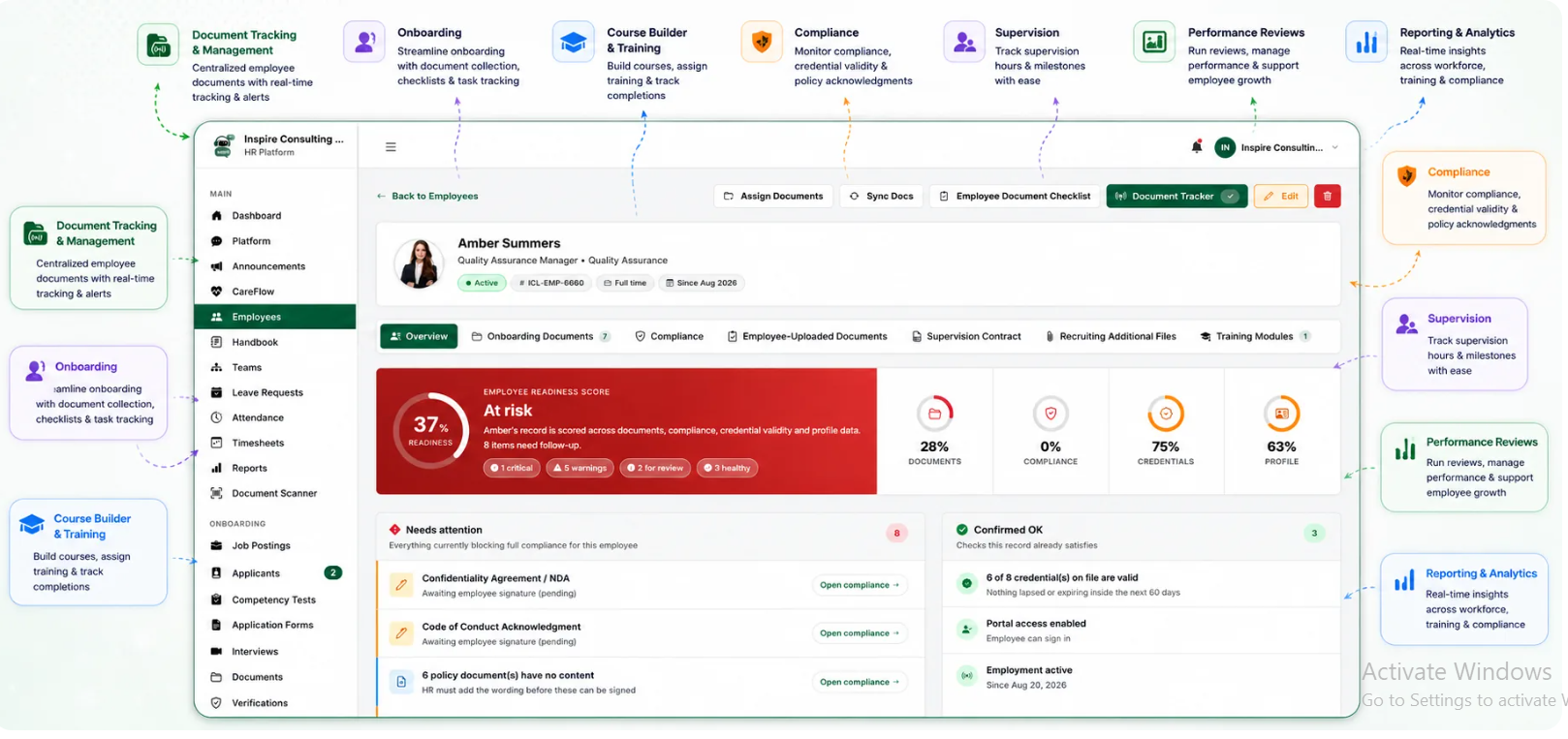
Moving beyond disconnected systems requires a shift toward integrated HR technology. A unified platform brings together workforce data, compliance tracking, performance management, and communication tools into one system.
This integration ensures that information flows smoothly across departments. When data is updated in one place, it is reflected everywhere. This reduces duplication and improves accuracy.
For organizations in Washington DC, integrated HR technology provides the structure needed to manage complex workforce requirements efficiently.
Improving Data Accuracy and Reliability
Accurate data is essential for effective decision-making. Disconnected systems often lead to inconsistencies because information is stored in multiple locations.
A unified system centralizes data, ensuring that all teams work from the same information.
This improves reliability and reduces confusion. Leadership can trust the data they see and make decisions with confidence.
In regulated environments, accurate records also support compliance and audit readiness.
Enhancing Workforce Visibility
Leadership visibility is limited when systems are not connected. Executives may need to request reports from multiple departments, leading to delays and incomplete insights.
Integrated HR technology provides real-time dashboards that offer a complete view of workforce operations. Leaders can monitor staffing levels, compliance status, and performance metrics in one place.
This visibility allows Washington DC organizations to respond quickly to challenges and plan effectively for the future.
Reducing Administrative Burden
Manual processes and duplicate data entry increase administrative workload. HR teams spend valuable time managing systems instead of supporting employees.
By moving beyond disconnected systems, organizations can automate workflows and streamline processes. Tasks such as onboarding, document management, and compliance tracking become more efficient.
Reducing administrative burden allows teams to focus on strategic initiatives that drive growth and performance.
Strengthening Compliance Management
Compliance requires accurate documentation, timely reporting, and consistent processes. Disconnected systems make it difficult to maintain these standards.
A unified HR platform embeds compliance into daily workflows. Credential tracking, policy acknowledgments, and documentation are managed in one place. Automated alerts ensure that deadlines are not missed.
For Washington DC organizations, this structured approach reduces risk and simplifies audit preparation.
Improving Communication and Collaboration
Communication gaps often arise when teams use separate systems. Information may not be shared consistently, leading to misunderstandings.
Integrated systems improve collaboration by providing a shared platform where all teams can access the same information. This alignment strengthens coordination between HR, operations, and leadership.
Better communication leads to faster decision-making and improved organizational performance.
Supporting Organizational Growth
As organizations grow, disconnected systems become harder to manage. Additional staff, services, and locations increase complexity.
A unified system scales with the organization, maintaining consistency across all operations. Processes remain structured, and data remains accessible regardless of size.
For Washington DC organizations planning expansion, integrated HR technology provides the foundation needed for sustainable growth.
Enabling Data-Driven Decision Making
Leadership decisions are more effective when based on accurate and timely data. Disconnected systems limit access to meaningful insights.
A centralized HR platform provides analytics and reporting tools that transform data into actionable information. Leaders can identify trends, monitor performance, and plan strategically.
This data-driven approach improves both short-term decisions and long-term planning.
Building a More Efficient Organization
Efficiency improves when systems are connected. Employees spend less time navigating multiple tools and more time focusing on their responsibilities.
A unified approach reduces duplication, streamlines workflows, and improves overall productivity. Organizations become more agile and better equipped to handle change.
Final Thoughts on Moving Beyond Disconnected Systems
Moving beyond disconnected systems is essential for organizations that want to improve efficiency, strengthen compliance, and enhance leadership visibility.
For Washington DC organizations, integrated HR technology provides the structure needed to manage complex workforce operations with confidence. It transforms fragmented processes into a cohesive system that supports both people and performance.
By adopting a unified approach, organizations create a more efficient, reliable, and future-ready operational environment.