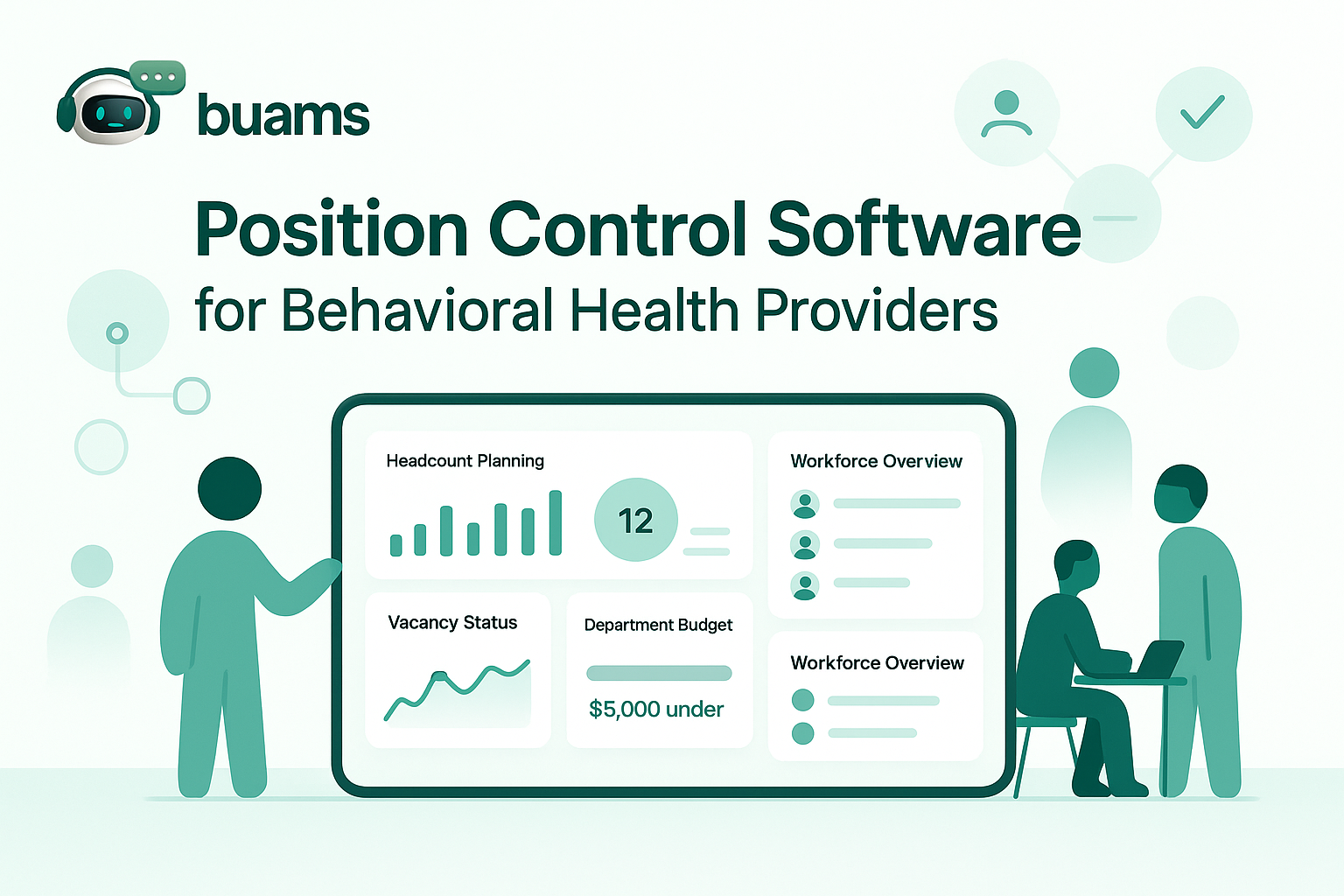
Behavioral health organizations rarely struggle with hiring alone. The harder problem is knowing which roles are approved, which openings are truly funded, which teams are overextended, and where compliance-sensitive vacancies create operational risk. That is where position control software becomes valuable. Instead of treating every requisition as a standalone task, HR leaders can manage headcount against real positions, budget expectations, and workforce requirements.
For behavioral health providers, this matters even more because staffing gaps can affect supervision coverage, credentialed service delivery, documentation timelines, and care continuity. A clear position control process helps HR, operations, and finance stay aligned before hiring delays become service disruptions.
Key Takeaways
What Is Position Control Software?
Position control software is a system for tracking the roles an organization is allowed to fill, not just the people currently employed. Each position can include details such as department, location, supervisor, employment type, funding source, required credentials, and current status.
That distinction matters. If HR only tracks active employees, it becomes harder to answer basic planning questions. Which roles are vacant today? Which openings were approved but never opened? Which positions require licensure or supervision before a start date? Which programs are carrying hidden overtime because approved headcount is not visible in one place?
A position-based view gives leadership a cleaner operational map. It helps teams plan hiring with less guesswork and prevents important workforce decisions from being scattered across spreadsheets, emails, and disconnected approvals.
Why Position Control Matters in Behavioral Health
Behavioral health providers operate in environments where staffing is tied to service quality, reimbursement, compliance, and safety. A vacancy is not only a recruiting issue. It can affect caseload balance, supervision capacity, documentation review, and client access.
For example, a program may know it needs another therapist, residential counselor, or compliance-related support role, but the exact position status may be unclear. One department may believe the role is approved, while finance still treats it as pending. Another team may post a vacancy without confirming whether the role requires a specific license, background check package, or program assignment. These small disconnects create slowdowns that compound quickly.
Position control software gives organizations a more disciplined way to manage headcount. It creates clarity around which roles exist, who owns them, what requirements apply, and where hiring activity stands. That clarity supports faster decisions and fewer last-minute surprises.
Common Problems Without a Position Control Process
When behavioral health providers rely on informal headcount tracking, the same issues tend to repeat.
These problems are especially costly when organizations operate across multiple sites or service lines. Without structured position data, even simple workforce questions turn into manual investigations.
What to Look For in Position Control Software
The best position control software for behavioral health providers should do more than store job titles. It should help teams manage workforce planning and hiring readiness with enough structure to support compliance and operational accountability.
Centralized position records
Each approved role should have a clear record with department, reporting line, status, location, employment type, and key requirements. This gives HR and operations one shared reference point.
Vacancy and backfill visibility
Teams should be able to distinguish between open approved positions, newly requested roles, frozen positions, and active backfills. That prevents confusion when hiring priorities shift.
Role-specific requirement tracking
Behavioral health roles often require different onboarding packages, credentials, training paths, or supervision structures. Position data should make those expectations visible early, not after a candidate is selected.
Workflow alignment across HR and leadership
Approvals, status changes, and ownership should be easy to follow. The system should reduce email-based handoffs and make it obvious where a request is waiting.
Connection to employee records
Once a role is filled, HR should be able to connect the position to the employee record, onboarding tasks, and ongoing compliance documentation. That continuity helps organizations keep workforce records accurate over time.
How BUAMS HR Supports Better Position Control
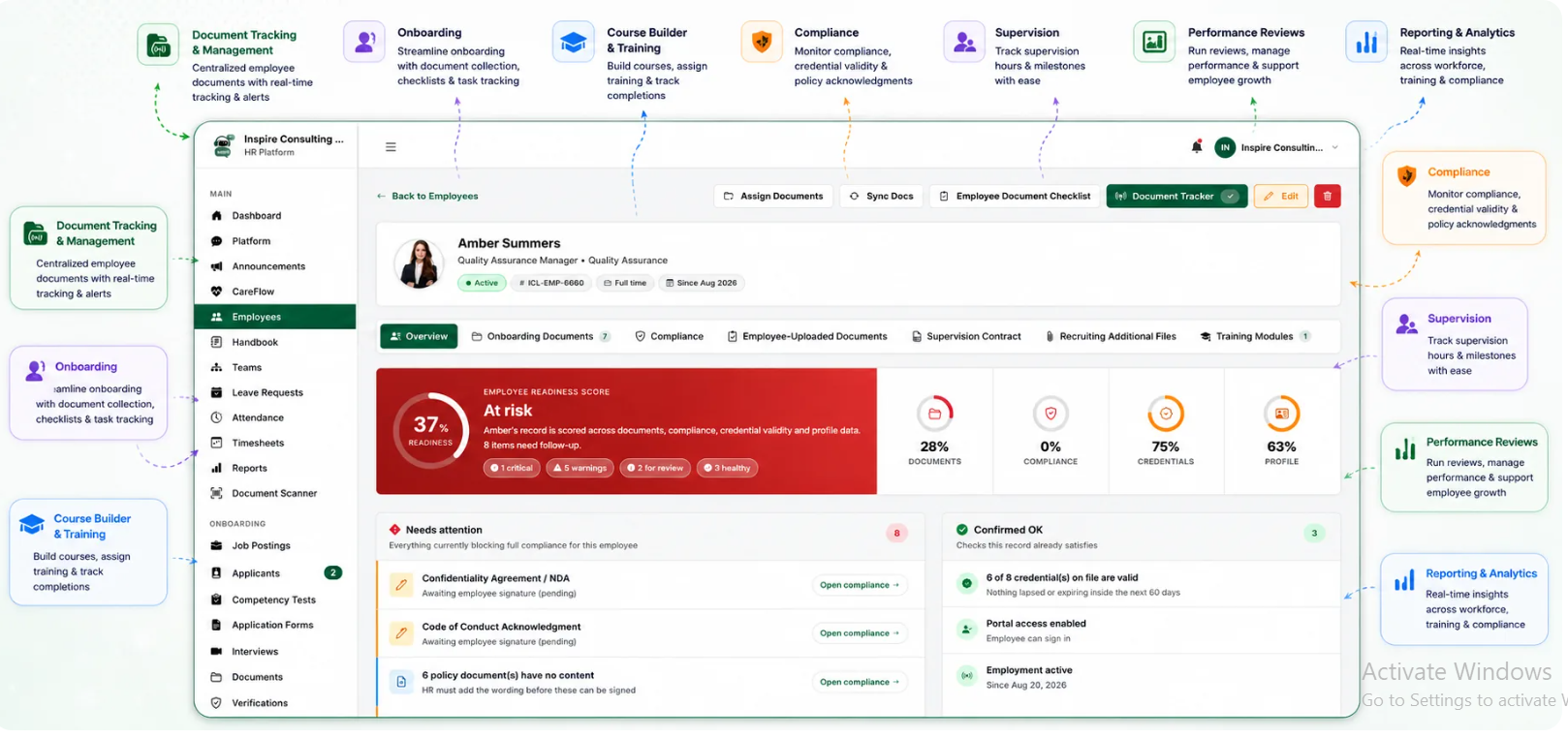
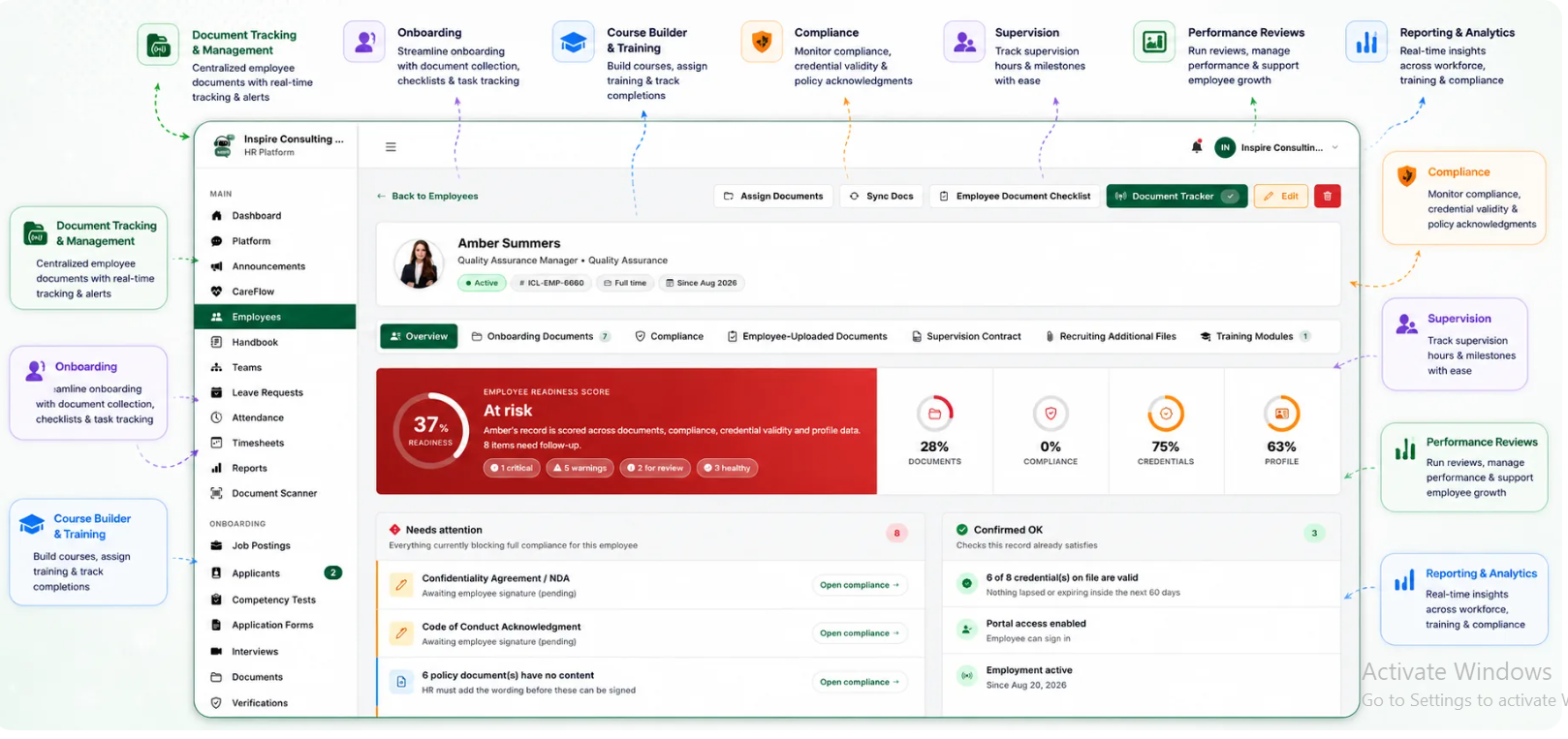
BUAMS HR helps behavioral health organizations build more structure around workforce operations by connecting HR workflows that are often managed separately. While every provider may define position control differently, the platform supports the practical foundations teams need to improve visibility and execution.
For growing providers, the real benefit is control. When workforce information is organized in one system, HR can spend less time reconciling conflicting records and more time helping leaders fill the right roles at the right time.
Best Practices for Rolling Out Position Control
Providers do not need a perfect redesign on day one. A strong rollout usually starts with a few practical decisions.
These habits help position control become an operational discipline instead of a one-time cleanup effort.
Final Thoughts
Position control software gives behavioral health providers a more reliable way to manage headcount, hiring readiness, and workforce accountability. In a field where open roles can affect compliance, client access, and team stability, clearer position data is not just administrative housekeeping. It is part of running a healthier organization.
BUAMS HR helps providers strengthen that foundation by connecting employee records, onboarding workflows, and compliance-related HR processes in one place. When staffing decisions are backed by structured workforce data, organizations can move faster with less confusion and better oversight.