Behavioral health providers often rely on shift differentials to staff evenings, overnights, weekends, crisis coverage, and hard-to-fill programs. The challenge is that premium pay decisions are frequently managed through side emails, verbal approvals, spreadsheet notes, or last-minute payroll handoffs. When the workflow is inconsistent, HR teams can struggle to prove why a differential was approved, which employees were eligible, and whether the payment matched policy across sites.
Shift differential approval software gives behavioral health organizations a cleaner way to manage premium pay rules, document exceptions, and keep payroll-related decisions aligned with job roles, locations, schedules, and supervisor approvals. Instead of treating differentials like one-off adjustments, providers can build a repeatable process that supports fairness, audit readiness, and faster workforce coordination.
Key Takeaways
What Is Shift Differential Approval Software?
Shift differential approval software is a workflow system for reviewing, approving, and documenting premium pay tied to specific work conditions. In behavioral health, those conditions may include overnight residential coverage, weekend crisis response, holiday staffing, bilingual assignments, high-acuity programs, or rural and difficult-to-cover locations. The software creates a trackable record of who requested the differential, why it applies, who approved it, and what dates or shifts it covers.
The value is not just speed. A good workflow also reduces ambiguity. It helps organizations distinguish between a standing differential built into a role, a temporary coverage differential, and a one-time exception that needs stronger review. That matters because premium pay decisions can affect employee morale, supervisor accountability, and payroll accuracy at the same time.
Why It Matters for Behavioral Health Providers
Behavioral health organizations operate with complex staffing models. They may run outpatient clinics during business hours, residential services overnight, mobile crisis response after hours, and multi-site programs with different labor pressures. A shift that requires premium pay in one program may not qualify in another. If those distinctions live only in managers' heads or scattered policy documents, approvals become inconsistent quickly.
That inconsistency creates real risk. Employees may feel the process is unfair, payroll teams may have to unwind avoidable errors, and HR leaders may struggle to explain why one supervisor approved premium pay while another denied a nearly identical request. Over time, the issue becomes bigger than a paycheck adjustment. It becomes an operations and compliance problem because the organization cannot show that compensation-related decisions are being handled with consistent controls.
Shift differential approval software gives HR, operations, and supervisors a shared workflow. It makes eligibility rules clearer, creates documentation for audits or internal reviews, and gives leadership a better view of where premium pay is being used most often.
Common Problems With Manual Differential Workflows
What To Look For in Shift Differential Approval Software
Role and site-based eligibility rules
Behavioral health providers need more than a generic approval form. The system should support differential rules based on program, role, shift type, location, and employment category so managers are not starting from scratch each time.
Clear approval routing
Some differentials may need only a supervisor sign-off, while others require HR, operations, or finance review. The workflow should route requests to the right approver automatically and show where each request stands.
Effective dates and expiration controls
Premium pay changes should not remain active indefinitely because someone forgot to revisit them. Strong software should capture start dates, end dates, review triggers, and reminders for temporary approvals or exceptions.
Documentation of the business reason
Each approval should show why the differential was granted, such as overnight staffing, a hard-to-fill weekend rotation, temporary crisis coverage, or a site-specific incentive. That documentation matters when employees ask questions or leadership reviews compensation practices later.
Exception and trend reporting
If one site depends heavily on premium pay, leadership should know whether the root issue is turnover, chronic vacancies, poor schedule design, or a market compensation problem. Reporting turns approvals into useful workforce insight instead of isolated transactions.
How BUAMS HR Helps
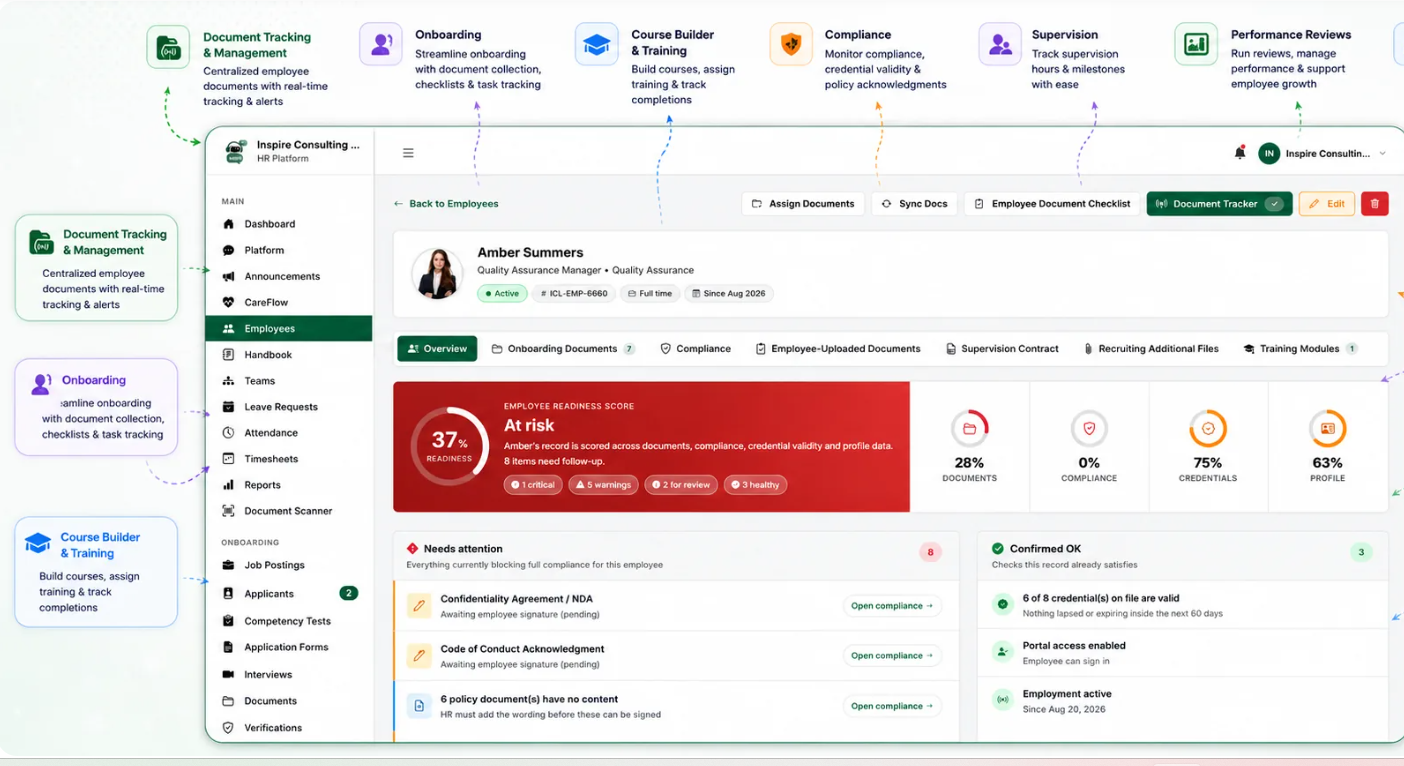
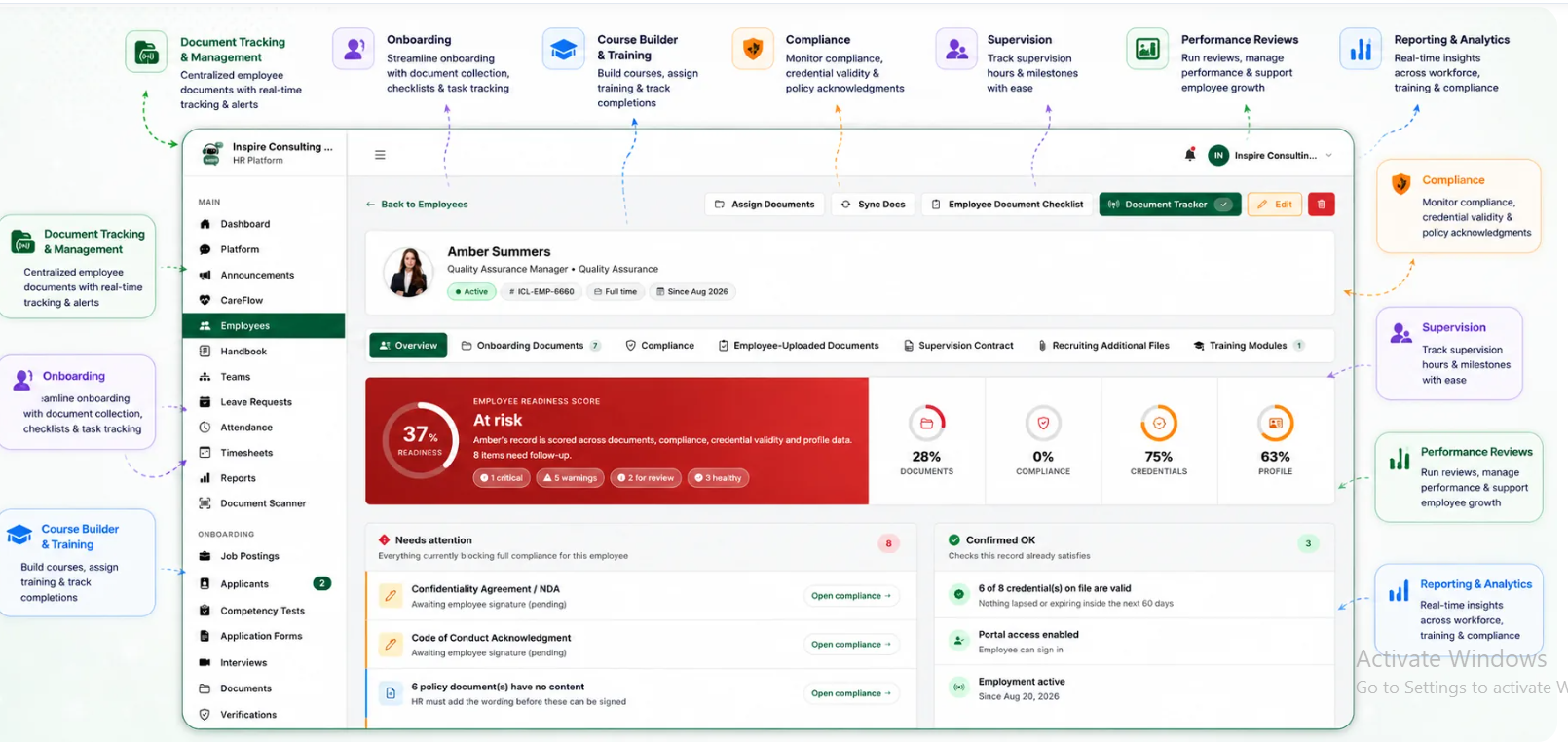
BUAMS HR helps behavioral health organizations bring compensation-related approvals closer to the rest of the workforce record. When employee roles, site assignments, status changes, and supporting HR documentation are already organized in one system, teams can manage differential approvals with better context and less manual back-and-forth.
That matters because shift differential decisions do not happen in isolation. A weekend premium may be tied to a location assignment, a temporary overnight role, a staffing emergency, or a coverage plan for a specific program. BUAMS HR gives organizations a stronger operational foundation by keeping employee information centralized, improving workflow visibility, and making it easier to document who approved what and when.
For growing providers, that kind of structure also supports consistency across multiple programs. Instead of every manager interpreting policy differently, HR can standardize requests, required fields, review paths, and follow-up expectations in a way that is easier to scale.
Practical Use Cases
Final Thoughts
Shift differential approval software helps behavioral health providers control premium pay without turning every exception into a manual cleanup project. It improves fairness, reduces payroll confusion, and gives HR and leadership better visibility into how compensation decisions are being made across the organization.
For providers trying to balance staffing pressure, cost control, and workforce consistency, a structured differential workflow is a practical upgrade. It keeps approvals documented, policy-driven, and easier to review before small compensation decisions create larger operational drift.