Behavioral health providers often manage staff across outpatient clinics, community programs, school-based services, residential settings, and telehealth coverage models. As organizations grow, it becomes harder to answer simple workforce questions quickly: who is assigned to each location, which roles are currently covered, who is cleared for a specific program, and where compliance gaps could disrupt scheduling or supervision. Staff roster management software gives HR and operations teams a more reliable way to keep that information current.
For behavioral health organizations, a roster is not just a contact list. It is a living operational record tied to roles, supervisors, credentials, work locations, employment status, onboarding progress, and readiness to serve. When roster data is scattered across spreadsheets, inboxes, and disconnected systems, leaders spend more time reconciling information and less time solving workforce issues.
Key Takeaways
What Is Staff Roster Management Software?
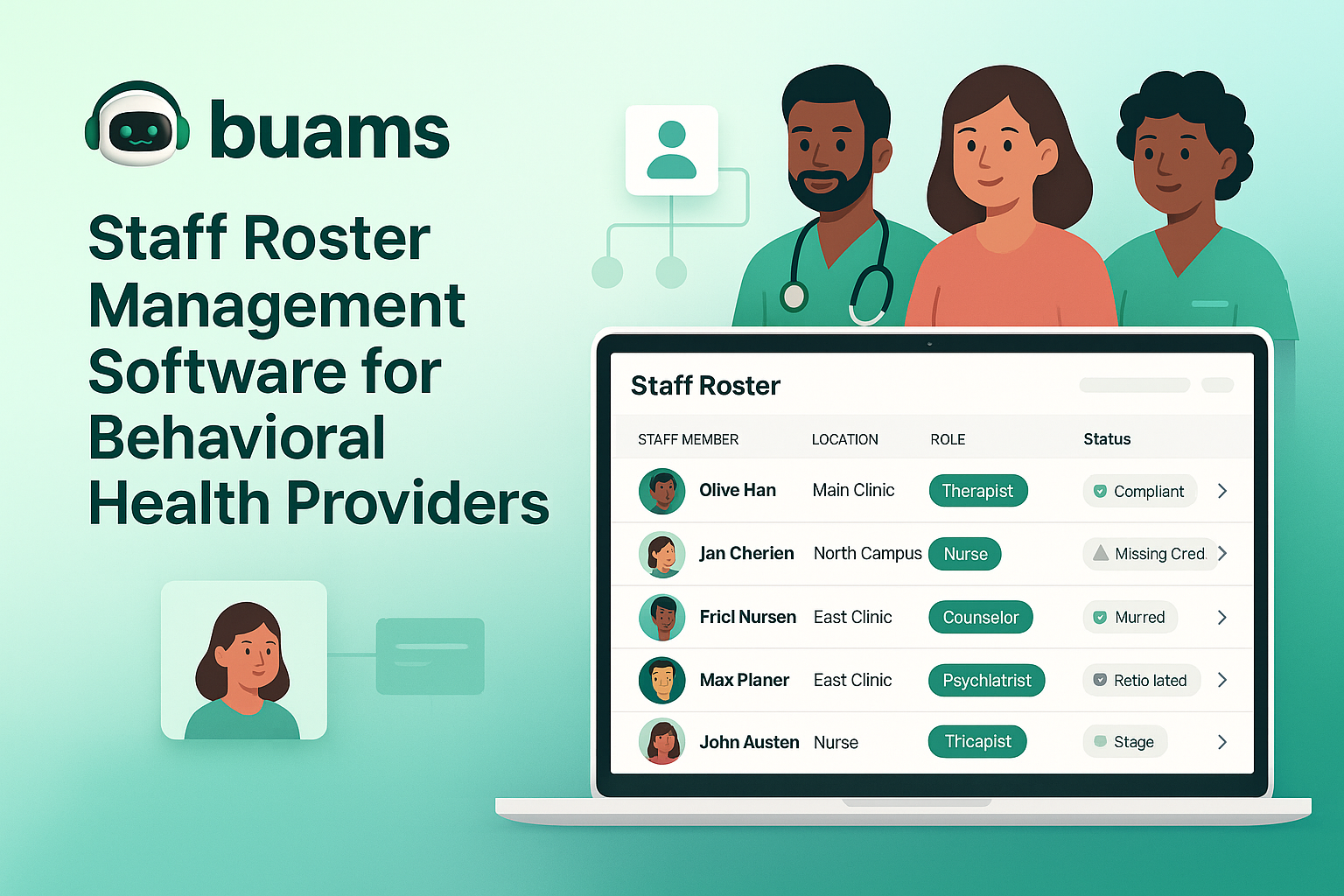
Staff roster management software is a system for organizing and maintaining workforce details in one place. In a behavioral health setting, this usually includes employee names, job titles, departments, program assignments, locations, supervisors, start dates, employment status, and role-related compliance details.
The goal is to make roster information dependable and easy to update. Instead of relying on multiple versions of a spreadsheet or sending repeated emails to confirm who belongs where, teams can work from a centralized record that reflects current staffing structure.
Why It Matters for Behavioral Health Providers
Behavioral health organizations often operate in environments where staffing complexity is high. One employee may support several sites, move between programs, or require specific credentials and training before taking on certain duties. A stale roster creates operational risk because decision-makers may act on incomplete information.
When rosters are inaccurate, the impact shows up in real ways: onboarding tasks are assigned to the wrong people, supervisor relationships are not updated, site leaders cannot confirm staffing coverage quickly, and audits uncover inconsistencies between employee records and active assignments. Even small mismatches can create avoidable administrative work.
A stronger roster process supports cleaner handoffs between HR, compliance, and operations. It also gives leadership a clearer picture of workforce distribution across services, which is especially useful for organizations expanding into new programs or managing multiple offices in Maryland and DC.
Common Roster Problems That Slow HR Teams Down
Too Many Manual Versions
When departments maintain separate staff lists, discrepancies are almost guaranteed. HR may have one version, operations another, and site managers a third. Reconciling those differences wastes time and erodes trust in the data.
Role and Location Changes Are Not Updated Quickly
Transfers, promotions, supervisor changes, and program reassignments happen regularly. If roster updates depend on manual follow-up, old information lingers and creates confusion about responsibility and readiness.
Roster Data Is Disconnected From Compliance Status
A staff list becomes far more useful when it can reflect whether someone has completed onboarding steps, submitted required documentation, or maintained active credentials. Without that connection, a roster may look complete while hiding meaningful risk.
Leaders Cannot Answer Basic Coverage Questions Fast Enough
In fast-moving environments, managers need to know who is assigned to each team and whether staffing structure still matches operational needs. If the answer requires opening multiple files or asking several departments, response time suffers.
What to Look for in Staff Roster Management Software
Centralized Employee Profiles
The system should connect roster views to each employee record rather than treating the roster as a standalone spreadsheet replacement. That makes it easier to confirm titles, reporting lines, active status, and supporting documents from one place.
Location, Program, and Department Visibility
Behavioral health providers need flexible ways to sort staff by site, service line, supervisor, and role. This helps HR teams support both daily operations and leadership reporting without building custom lists each time.
Status Tracking for Workforce Readiness
Useful roster tools show more than where someone works. They should help teams see whether employees are active, pending start, on leave, transferred, or awaiting completion of required steps tied to their role.
Clean Change Management
Role changes, supervisor updates, and location moves should be easy to record with minimal rework. A good system makes those updates routine so data stays current instead of falling behind during busy periods.
Searchable and Audit-Friendly Records
During leadership reviews or compliance checks, teams should be able to confirm assignments and workforce structure without pulling data from multiple sources. Searchable records and clear organization make that much easier.
Best Practices for Keeping Rosters Accurate
How BUAMS HR Helps
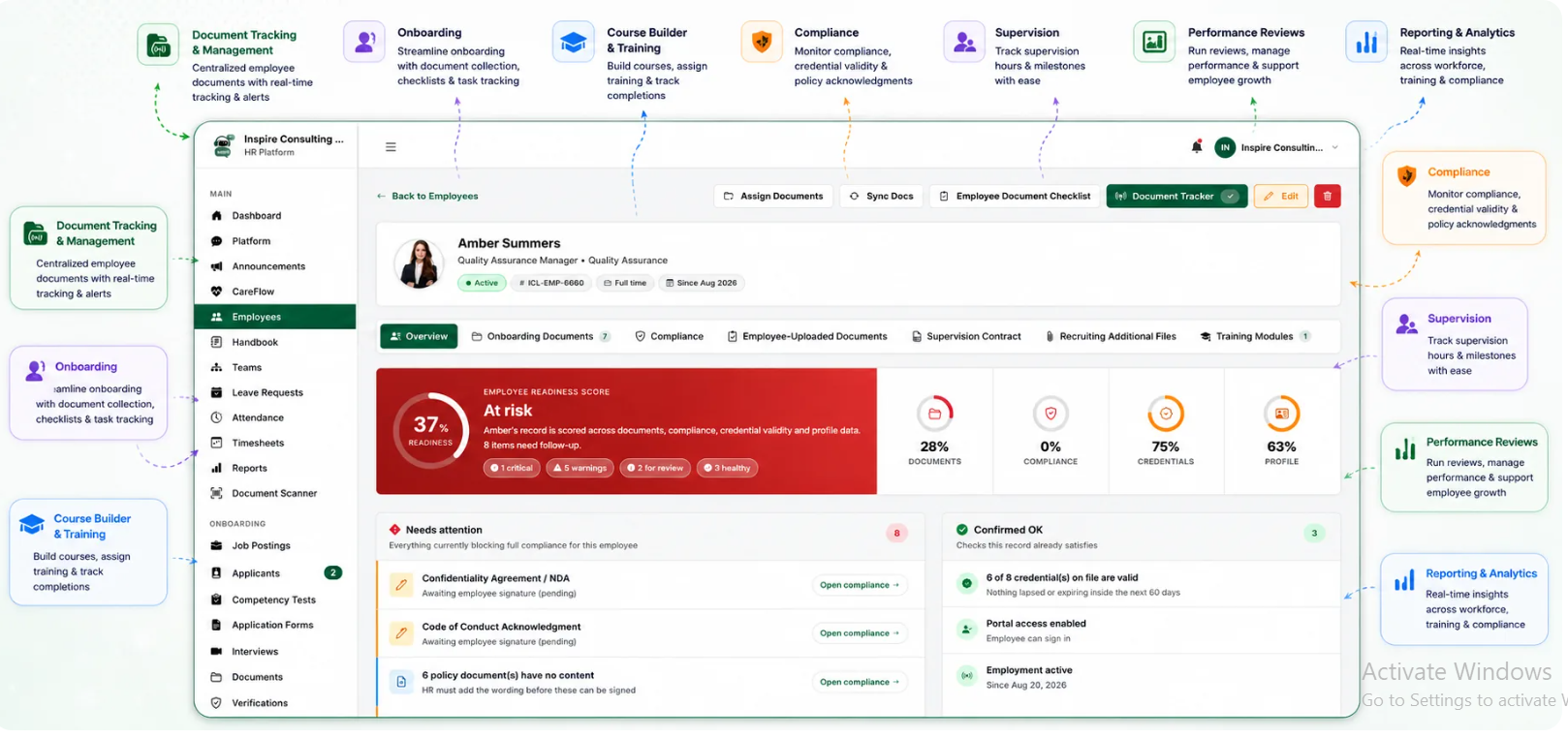
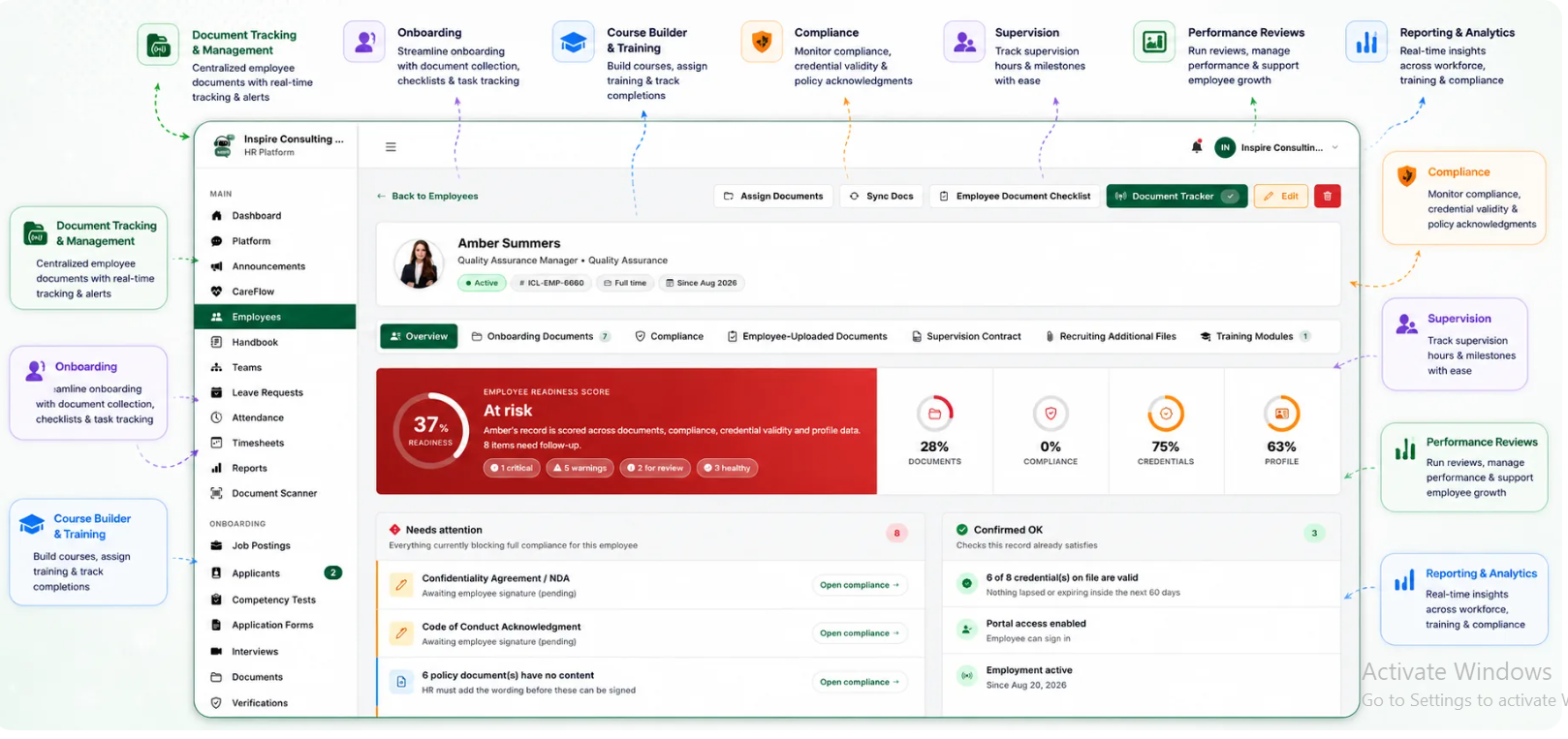
BUAMS HR helps behavioral health organizations keep workforce information organized in one system that supports HR operations, employee files, and compliance visibility. Instead of managing rosters as disconnected lists, teams can maintain employee records in a structured environment that is easier to search, review, and update.
For growing providers, that means roster data can stay closer to the underlying HR record. When teams need to confirm who is assigned where, who reports to whom, or which staff members are still moving through readiness steps, they can work from a more reliable source of truth. That reduces manual reconciliation and supports faster decisions across HR and operations.
Because BUAMS HR is built for behavioral health workforce management, it is especially useful for organizations balancing multiple programs, distributed teams, and ongoing compliance demands. A clearer roster is not just an administrative improvement. It helps leaders protect continuity, accountability, and staff readiness as the organization grows.
Final Thoughts
Staff roster management software gives behavioral health providers a practical way to improve visibility across locations, programs, and roles. When roster information is current and connected to broader HR workflows, teams can spend less time fixing data problems and more time supporting operations.
For providers that want more confidence in workforce structure, better roster management is a strong starting point. It strengthens communication, reduces preventable confusion, and makes everyday staffing decisions easier to support with accurate information.