
The Growing Need for Clear Executive Insight
In today’s fast-changing operational environment, stronger leadership visibility is essential for sustainable growth. Organizations across Washington DC, especially those operating in regulated sectors, face increasing pressure to maintain compliance, manage workforce shortages, and deliver high-quality services. Without clear visibility into workforce operations, leadership teams often make decisions based on incomplete or delayed information.
Stronger leadership visibility provides executives with real-time insight into staffing, compliance, performance, and workforce trends. Instead of reacting to problems after they arise, leaders gain the clarity needed to anticipate challenges and act strategically.
Breaking Down Data Silos
Many organizations struggle with fragmented systems. HR data may sit in one platform, compliance records in another, and performance tracking in spreadsheets managed separately by departments. This lack of integration limits leadership effectiveness.
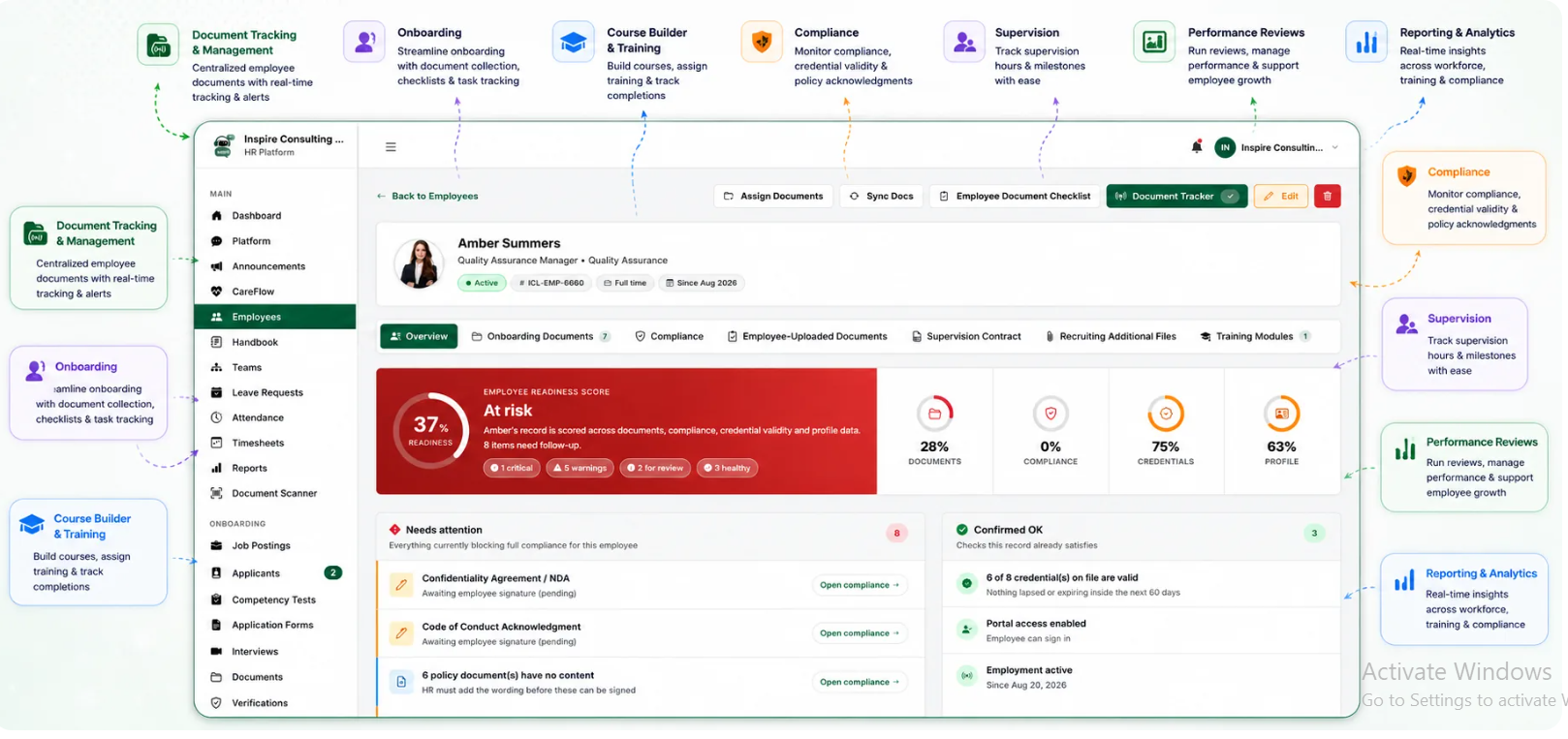
When workforce data is centralized within a unified HR system, executives gain a single source of truth. They no longer need to wait for manual reports or reconcile conflicting numbers. Real-time dashboards replace outdated spreadsheets, allowing leadership teams to focus on strategy rather than administrative follow-ups.
For Washington DC organizations, eliminating data silos strengthens operational alignment across departments.
Strengthening Compliance Oversight
Compliance is a critical concern for regulated industries. Expired credentials, missing documentation, or incomplete training records can create serious operational and financial risks.
Stronger leadership visibility ensures that compliance status is always clear. Automated alerts and dashboards highlight potential gaps before they escalate. Executives can see supervision ratios, certification renewals, and documentation compliance in real time.
This proactive oversight reduces risk and builds confidence across the organization. Leadership is no longer surprised by audit findings because compliance readiness is continuously monitored.
Enhancing Workforce Planning
Workforce shortages and turnover continue to challenge Washington DC organizations. Without visibility into staffing trends, leaders may struggle to identify emerging gaps.
With integrated HR analytics, executives can track hiring pipelines, monitor turnover rates, and evaluate departmental workloads. They can identify patterns that signal burnout or resource strain.
Stronger leadership visibility allows organizations to move from reactive hiring to long-term workforce capacity planning. Leaders can forecast staffing needs based on service demand and expansion goals, creating a more stable workforce strategy.
Improving Financial Stewardship
Workforce expenses often represent the largest portion of an organization’s budget. Without clear insight into staffing costs, overtime patterns, and productivity levels, financial planning becomes difficult.
Real-time workforce data allows executives to make informed budgeting decisions. Leaders can identify inefficiencies, evaluate resource allocation, and plan responsibly for future growth.
In Washington DC’s competitive funding environment, stronger leadership visibility supports financial accountability and long-term sustainability.
Supporting Employee Engagement and Retention
Visibility is not only about numbers; it is also about people. When leaders have insight into performance trends and workforce sentiment, they can address concerns early.
Strong leadership visibility helps identify departments experiencing high turnover or increased workload pressure. Early intervention improves morale and reduces burnout.
Employees benefit from organizations that respond proactively rather than reactively. A workforce that feels supported is more engaged and more likely to remain long term.
Aligning Leadership Teams
When executive teams operate from different data sources, strategic alignment suffers. Conflicting reports can delay decisions and create confusion.
A centralized HR system ensures that leadership teams work from shared information. Strategic conversations are grounded in consistent, accurate data. This alignment strengthens collaboration and decision-making efficiency.
For Washington DC organizations managing complex operations, alignment at the leadership level is critical for stability.
Enabling Scalable Growth
As organizations expand services or open new locations, maintaining visibility becomes more
challenging. Growth increases workforce complexity.
Modern HR technology ensures that leadership visibility scales alongside the organization. Whether managing multiple programs or interdisciplinary teams, executives maintain clear insight into staffing, compliance, and performance metrics.
Scalable visibility protects operational continuity during periods of expansion.
Building Organizational Trust
Boards, regulators, and funding partners expect transparency. Leaders who can provide accurate workforce data demonstrate accountability and preparedness.
Stronger leadership visibility enhances credibility with stakeholders. It shows that the organization is proactive, organized, and strategically managed.
Trust strengthens partnerships and supports long-term growth opportunities.
Preparing for the Future
The future of workforce management requires adaptability. Regulations will evolve, service models will shift, and workforce expectations will continue to change.
Organizations that invest in stronger leadership visibility today position themselves for resilience tomorrow. With integrated HR technology and real-time insights, leaders can adapt quickly without losing stability.
In Washington DC’s complex regulatory landscape, stronger leadership visibility is not just a strategic advantage. It is a foundation for confident leadership, sustainable growth, and operational excellence.