Behavioral health organizations often promote strong clinicians, program leads, and site coordinators into supervisory roles faster than their HR processes can adapt. When that transition is handled through email threads, scattered checklists, and verbal handoffs, new leaders can miss core tasks such as policy acknowledgments, documentation standards, supervision expectations, and approval workflows. Supervisor onboarding software gives HR teams a structured way to launch new leaders with the right access, training, and accountability from day one.
For behavioral health providers, the stakes are higher than in many other industries. Supervisors influence documentation quality, workforce compliance, schedule coverage, and staff retention. A weak onboarding process for supervisors can create downstream issues that show up in audits, employee relations cases, and inconsistent oversight across programs. A better system helps organizations prepare new leaders before gaps become operational risk.
Key Takeaways
What Is Supervisor Onboarding Software?
Supervisor onboarding software is a structured workflow for preparing newly promoted or newly hired leaders to take on management responsibilities. It combines task assignment, due dates, document collection, policy sign-off tracking, training status, and readiness visibility in one place. Instead of treating supervisors like a standard employee onboarding case, the workflow reflects the extra responsibilities that come with leading teams, approving requests, and maintaining documentation quality.
In behavioral health settings, this often includes verifying supervisory eligibility, assigning management training, documenting reporting relationships, confirming access to employee records, and tracking oversight requirements tied to the program or role. The goal is not simply to welcome a new manager. It is to make sure the person is operationally and compliance-ready to lead staff safely and consistently.
Why It Matters for Behavioral Health Providers
Leadership transitions can affect far more than job titles. A newly assigned supervisor may suddenly be responsible for timesheet review, corrective action documentation, orientation follow-up, credential oversight, and employee file accuracy. If those responsibilities are not clearly introduced and tracked, gaps can spread quickly across the workforce.
Behavioral health providers also work across multiple programs, payer requirements, and accreditation expectations. A supervisor in outpatient services may need different training and oversight tasks than a supervisor in community-based care or residential settings. Supervisor onboarding software helps HR tailor the process without losing consistency. That balance matters when organizations are growing, opening new sites, or promoting leaders internally on tight timelines.
What to Include in a Supervisor Onboarding Workflow
The most effective process goes beyond a welcome packet. HR teams should define the exact tasks that make a new supervisor ready to manage people, documents, and compliance-sensitive workflows. A strong workflow should be visible to HR, the supervisor's manager, and any supporting departments involved in role activation.
When these steps live in one workflow, HR can see whether a new supervisor is fully launched or still missing critical pieces. That reduces guesswork and prevents leadership responsibilities from going live before onboarding is complete.
Common Risks When the Process Stays Manual
Manual supervisor onboarding tends to fail in predictable ways. Tasks are assigned verbally, duplicate versions of policies circulate, and nobody has a clean view of what is finished versus overdue. Internal promotions can be especially vulnerable because teams assume the employee already knows the organization well enough to skip formal onboarding steps.
That assumption creates risk. A strong clinician may be new to coaching employees, documenting performance concerns, approving leave-related changes, or handling HR escalations. Without a formal system, HR may not discover the gap until an issue surfaces in an audit, a complaint, or a missed deadline. Software helps by turning leadership readiness into a trackable process instead of an informal expectation.
How BUAMS HR Helps
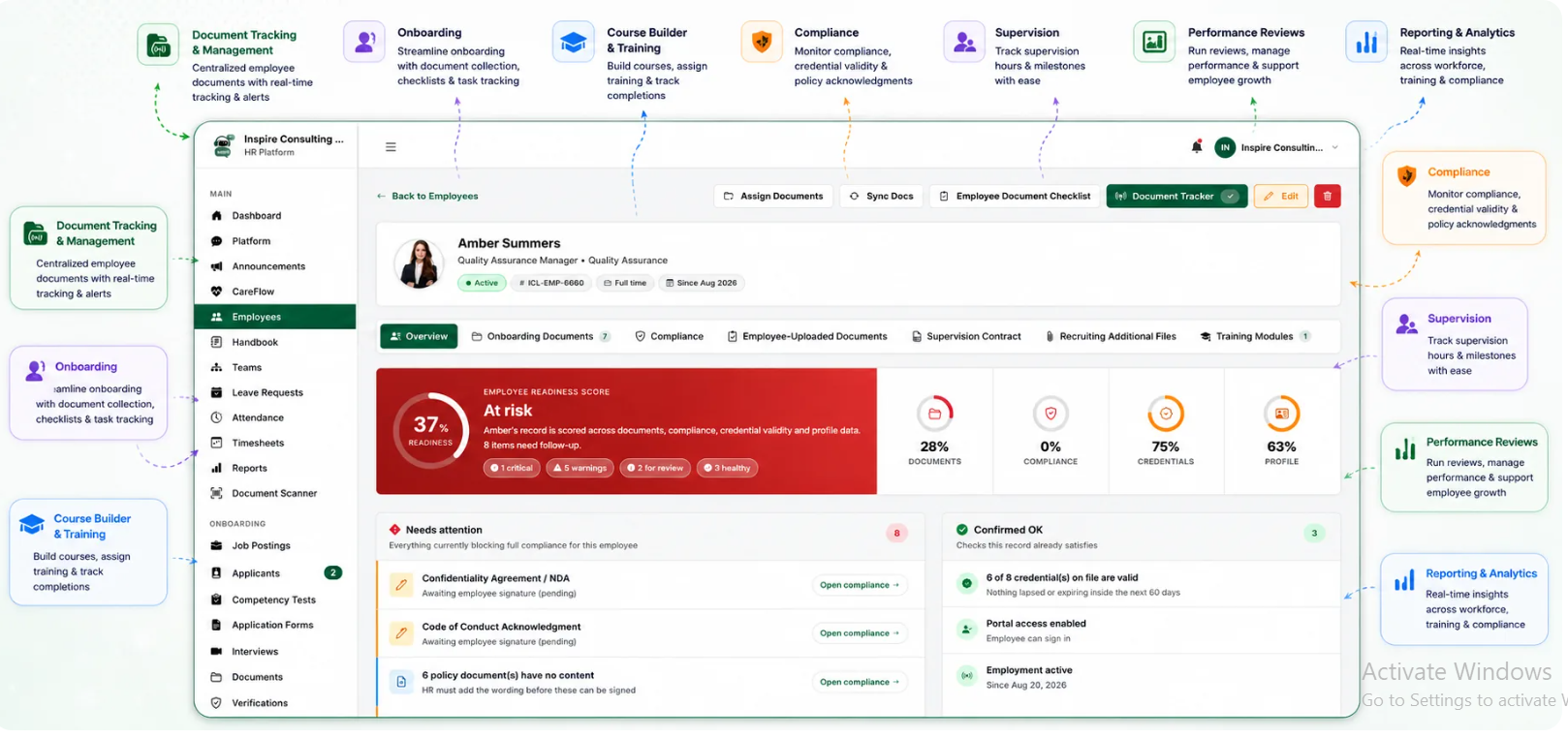
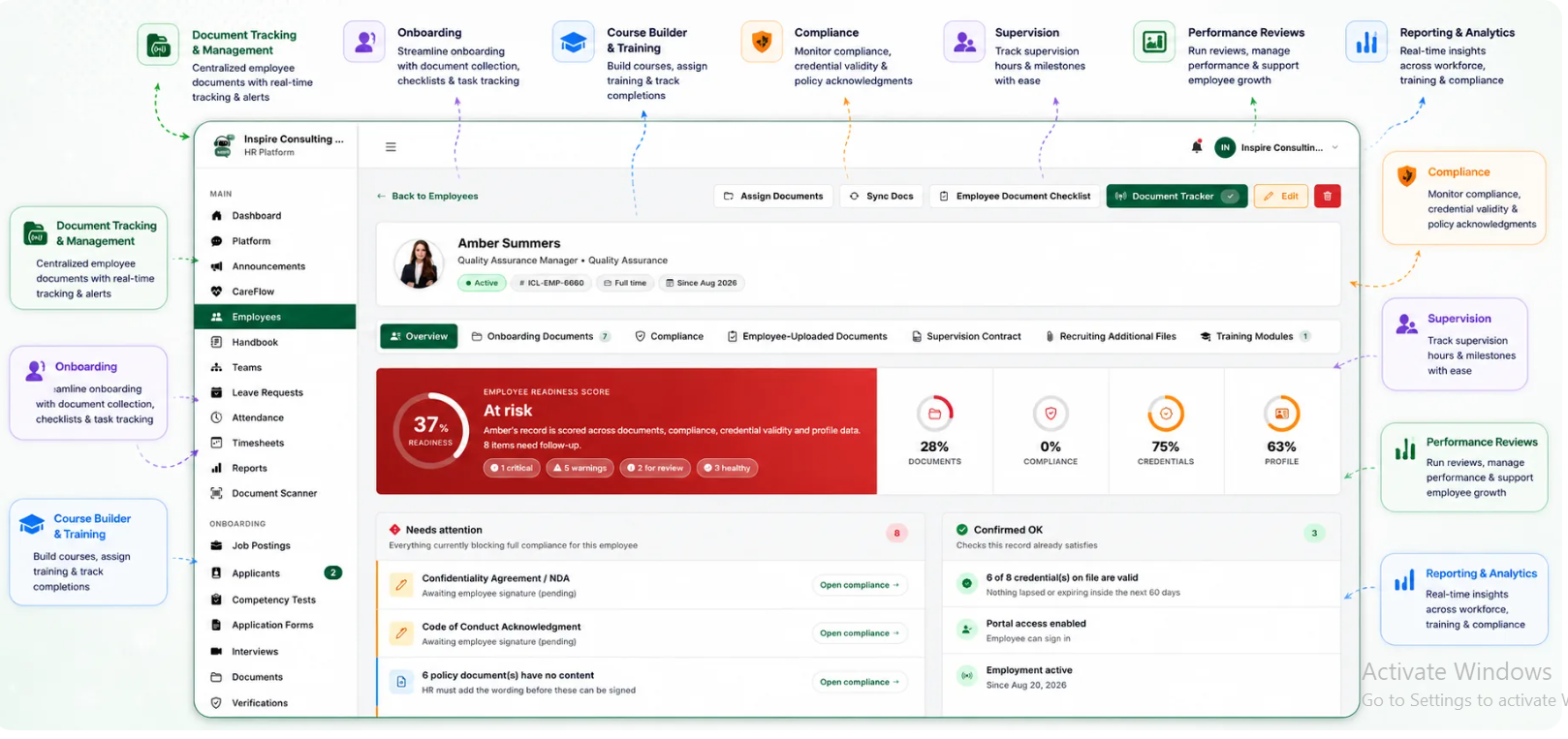
BUAMS HR gives behavioral health organizations a practical way to manage supervisor onboarding alongside the rest of the employee lifecycle. HR teams can standardize role-based tasks, collect required acknowledgments, track completion status, and keep leadership transitions documented in one system. That makes it easier to coordinate internal promotions, site expansions, and new management hires without rebuilding the process each time.
Because BUAMS HR is designed for behavioral health workforce operations, organizations can connect supervisor onboarding with employee records, compliance documentation, and ongoing workforce oversight. Instead of relying on separate spreadsheets for leader readiness, HR can keep the process visible, organized, and review-ready as the organization grows.
Final Thoughts
Supervisor onboarding software helps behavioral health providers treat leadership transitions with the structure they deserve. New supervisors need more than a title change and a quick handoff. They need clear expectations, timely training, documented approvals, and visible proof that they are ready to lead. For HR teams trying to scale responsibly, a standardized workflow can reduce confusion, improve consistency, and protect compliance at the same time.